What backrest slats are used for
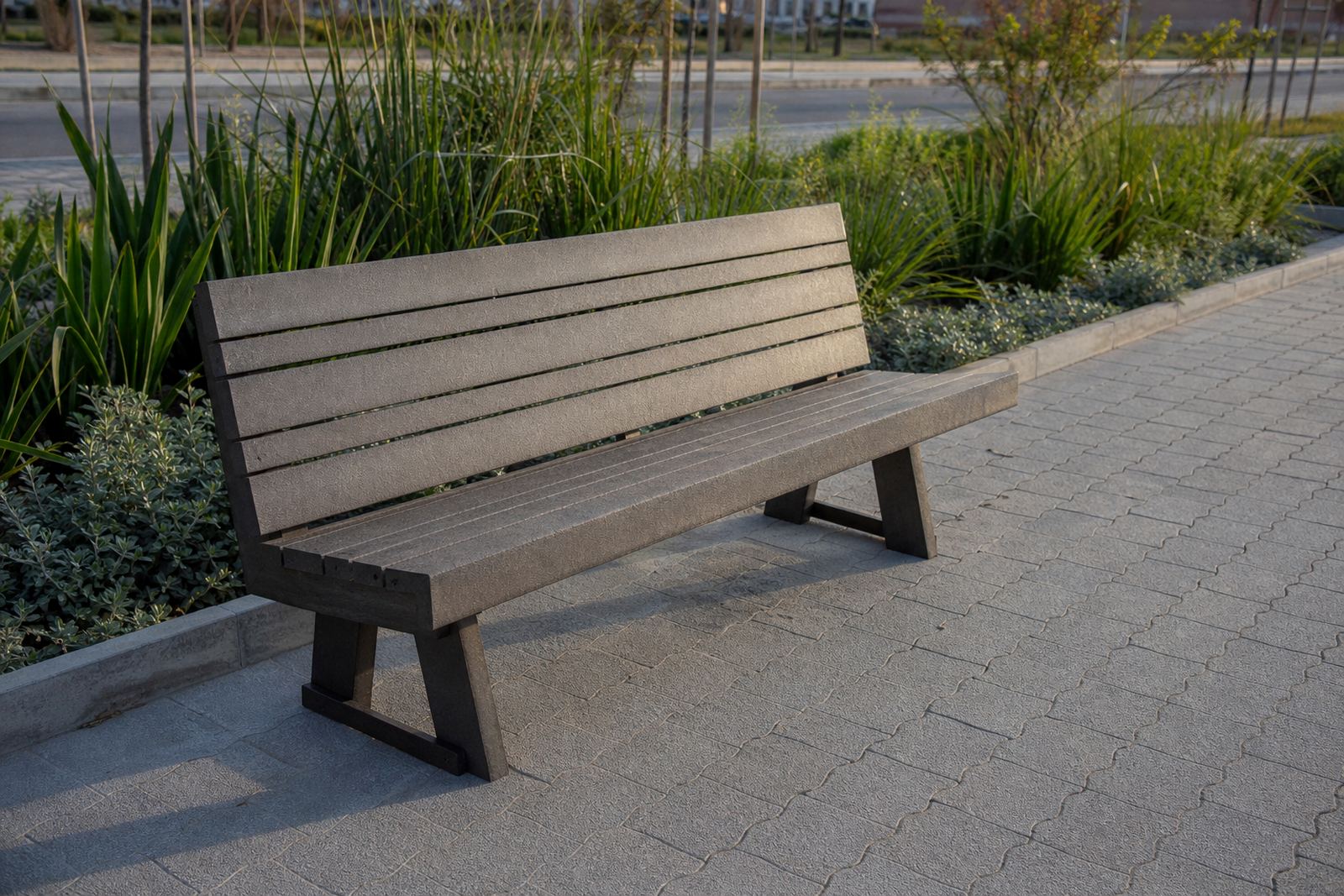
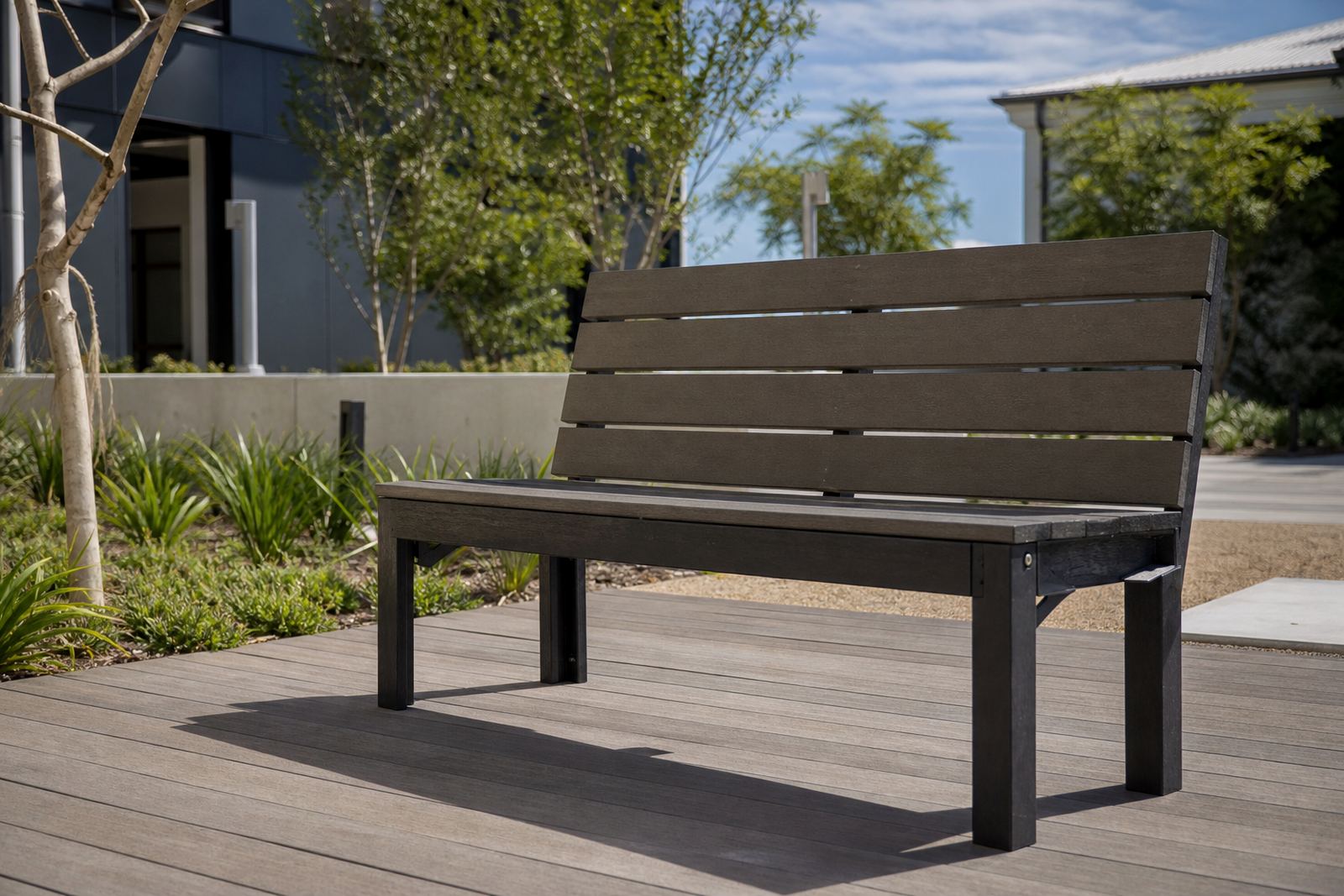
Backrest slats are the horizontal sections fixed to the rear frame of a bench, giving users support while sitting outdoors. In recycled plastic lumber, they are a practical choice for coastal air, summer rain and full sun because they do not behave like timber in the same way. They are commonly used on fixed benches, loose site furniture and seating built for gardens, courtyards, pathways and public gathering points.
For projects in Paarden Eiland, Cape Town and delivery points across Stellenbosch, George, Johannesburg and Durban, these slats are usually chosen where a hard wearing surface is needed without ongoing sanding, sealing or painting. They also pair well with matching seat slats so the finished bench looks coordinated across the whole site.
Sizes, profiles and fixing options
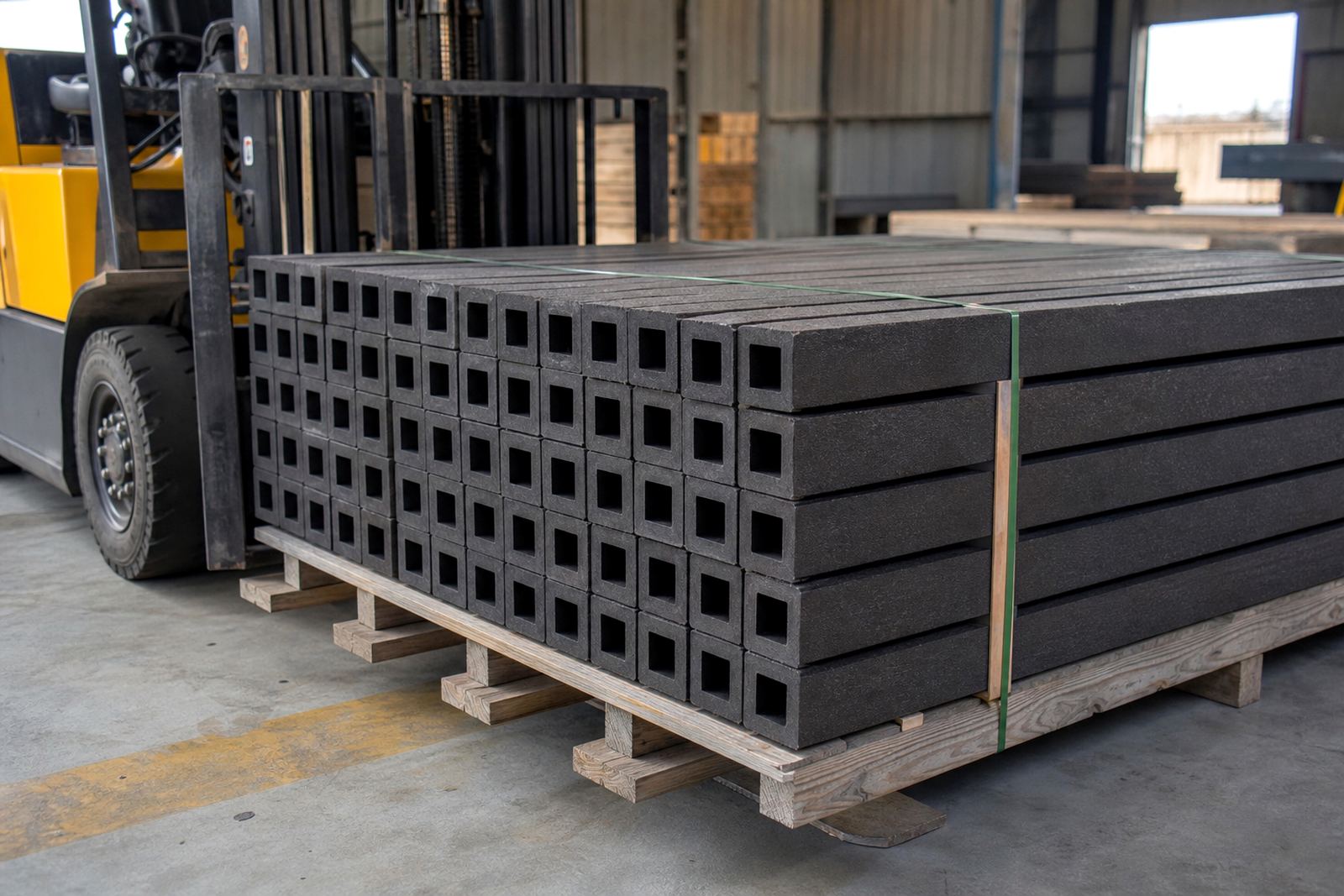
Backrest slats are supplied in practical lengths to suit different bench spans and frame layouts. The exact cut length depends on the seating design, the number of slats used and the spacing required between each piece. Profiles can be flat faced or lightly contoured depending on the intended look and level of comfort.
- Common use is for 2 to 4 slat backrests on standard bench frames
- Slats can be cut to suit site dimensions before or after delivery
- Edge finishing can be square, rounded or trimmed to match the bench style
- Fixing points are generally drilled to suit the supporting frame on site
- Matching seat slats are often ordered at the same time for consistency
When ordering, it helps to confirm the frame width, support spacing and whether the slats will be mounted straight or with a slight recline. A small measurement error can throw off the comfort of the whole seat, so site measures are worth doing properly.
Where these slats suit best
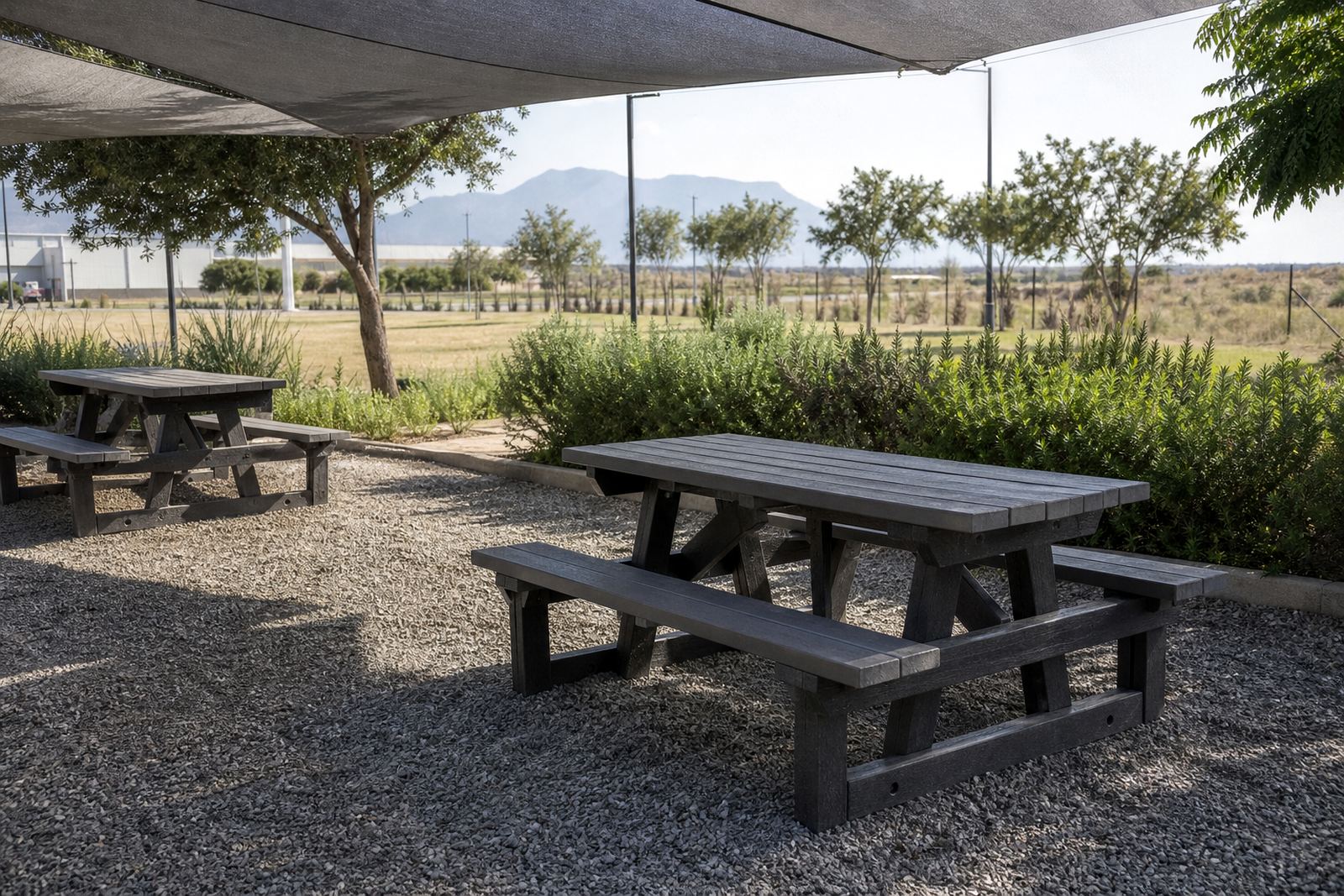
These products are used wherever outdoor seating needs to last through weather, cleaning and steady daily use. They are suitable for residential courtyards, school grounds, shopping centres, parks, hospitality areas and commercial developments. In Durban and other humid areas, recycled plastic material is often preferred because it is less prone to rot and insect damage than untreated timber.
They also work well in places with high maintenance pressure, such as body corporate common areas and municipal spaces where staff need straightforward cleaning and fewer repairs. For coastal settings in Cape Town or George, the material can be selected to help avoid the swelling, splitting and surface wear that can come with natural wood outdoors.
Installation on site and what power or gas is needed
Backrest slats are normally installed by drilling and bolting or screwing them to a prepared bench frame. The process is straightforward, but alignment matters so the seating line stays level and comfortable. If the bench is being built from scratch, the frame should be checked first for straightness, support position and fixings before the slats go on.
No gas connection is needed for installation. Depending on the frame material and fixings selected, the job may need a drill, driver tools and standard site hardware. If cutting is required on site, power tools and safe working space are needed. For larger projects, it helps to coordinate delivery, installation timing and access, especially in busy areas like Bellville, Somerset West and Johannesburg where loading bays or site rules can affect the sequence of work.
- Confirm access for delivery vehicles before the install date
- Check the frame is ready, level and properly spaced
- Allow time for final alignment and edge finishing
- Use suitable fixings for the frame material and exposure
Care, cleaning and servicing over time
Recycled plastic lumber is usually simple to look after. Regular cleaning with water and a mild detergent is normally enough for dust, bird droppings and everyday dirt. In places with sea air or heavy traffic, a periodic rinse helps keep the slats looking tidy. There is no need for the same sanding or resealing cycle that timber often needs.
If a slat becomes damaged, component replacement is often possible without replacing the full bench. That makes long term maintenance easier for schools, estates and commercial sites. For benches used in public areas, it is sensible to check fixings from time to time because vibration, repeated use and weather can loosen hardware over months or years.
What to check before placing an order
Before ordering, it helps to confirm the bench type, the frame material and the final look you want across the site. If the slats must match existing seating, bring accurate measurements or photos of the current bench so the new pieces can be planned to suit. For new work, layout planning can be done alongside the rest of the outdoor furniture schedule.
- Bench length, height and backrest angle
- Number of slats required for each bench
- Whether you need only backrest slats or a full seat set
- Colour preference and any matching edge finish
- Delivery site, access restrictions and installation timing
- Whether refurbishment or replacement is being done on an existing bench
Our team in Paarden Eiland supports enquiries from Cape Town, Stellenbosch, Paarl, Somerset West, Bellville, George, Johannesburg and Durban. Clients usually reach us through the enquiry form on the contact page, where we can assist with material quoting, delivery coordination and trade support for the project. If the seating is for a busy site, it is worth planning spares or replacement pieces early, rather than waiting until a damaged slat becomes a bigger problem.
Key facts
| Material | Recycled plastic lumber |
|---|---|
| Use | Bench backrest support and coordinated seating finish |
| Typical supply | Cut to order for project requirements |
| Installation method | Fixed to a prepared bench frame with suitable hardware |
| Maintenance | Simple washing and occasional fixings check |
| Supply area | Paarden Eiland, Cape Town and delivered nationwide |