



How to choose recycled plastic decking
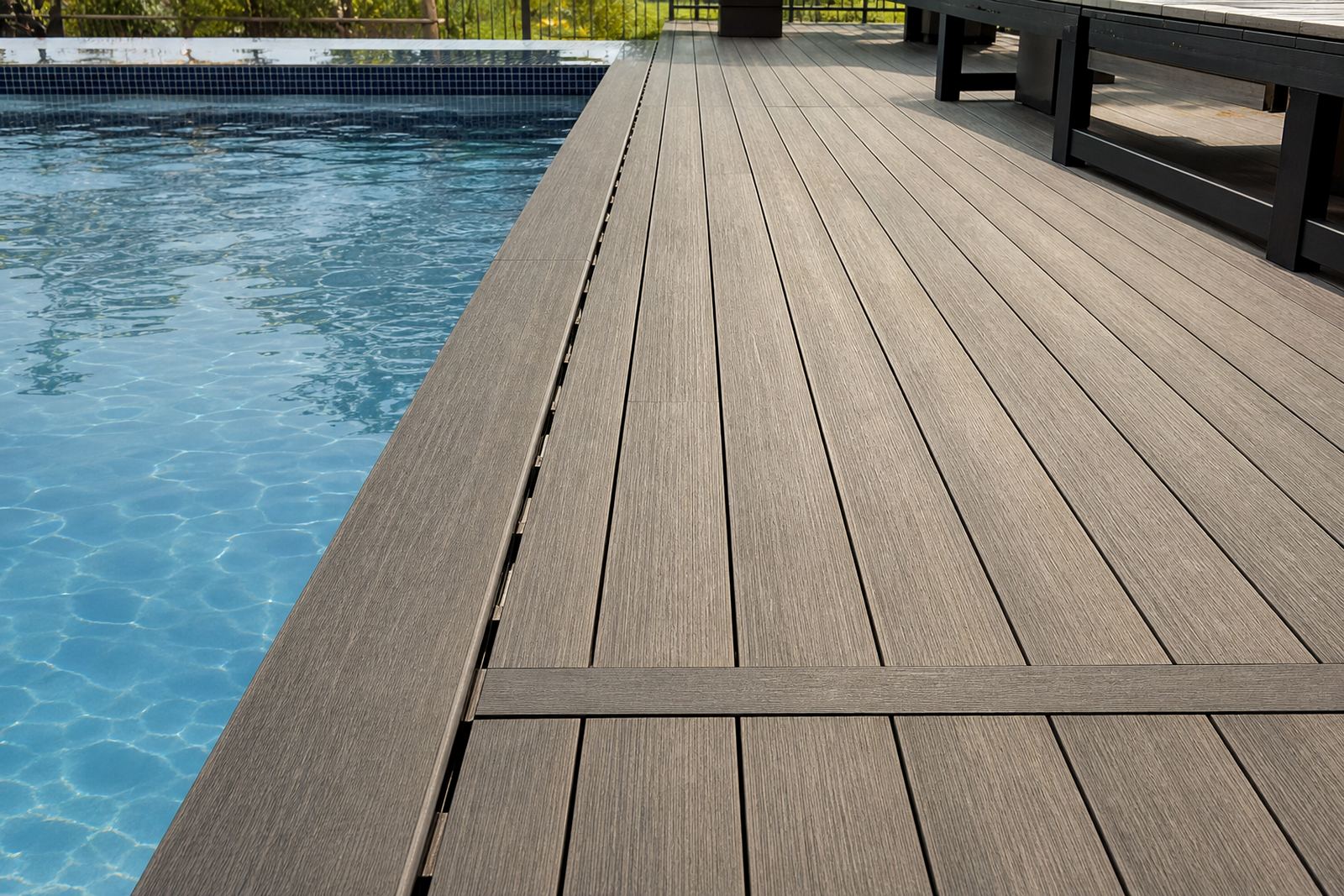
Recycled plastic lumber is a solid choice where timber would normally need regular sanding, sealing or replacement. It suits pool surrounds, walkways, balcony areas and outdoor seating spaces that see daily use, especially in coastal towns like Cape Town, Durban and George where moisture and salt air can wear timber down faster.
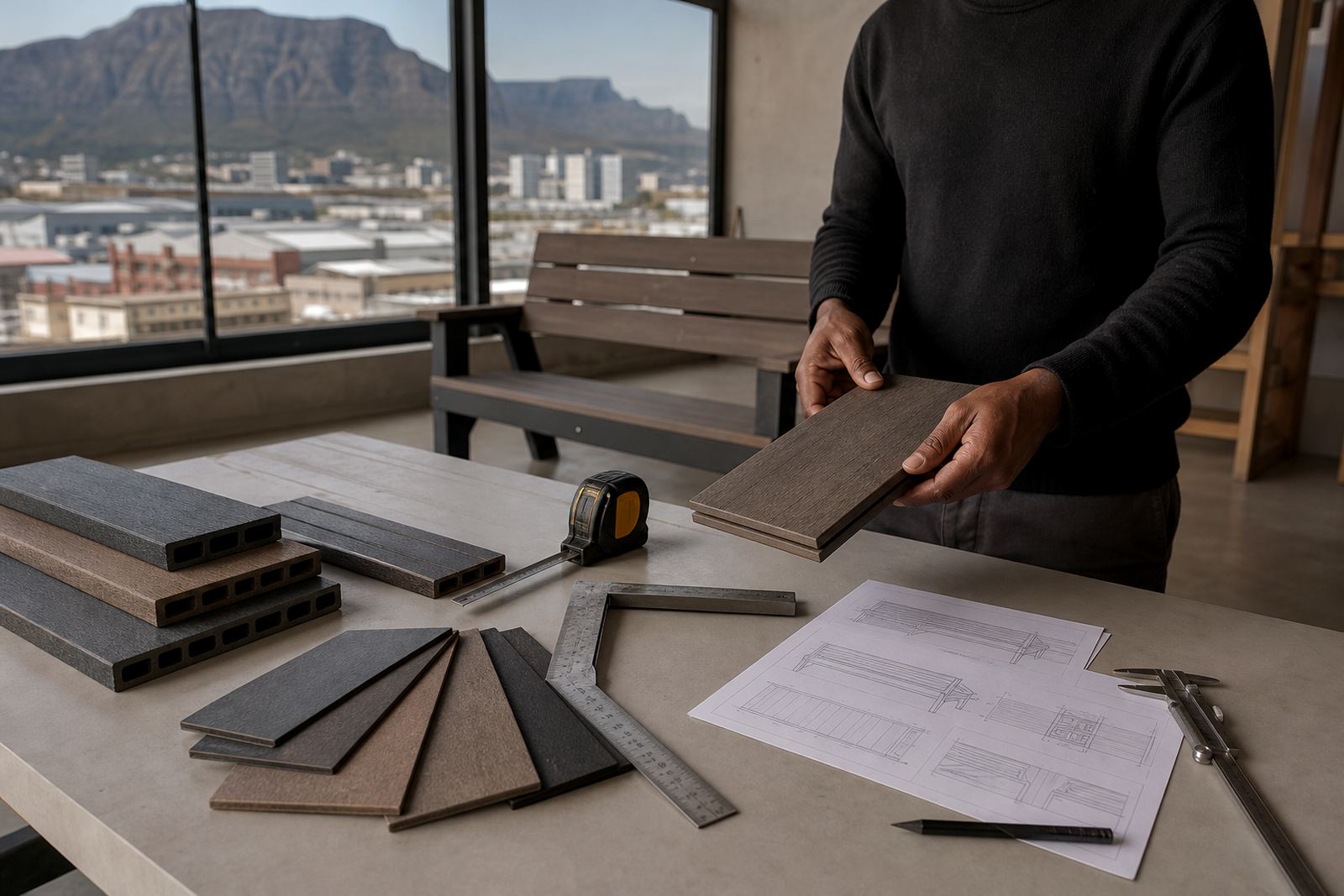
When comparing options, think about the setting first. A family patio in Stellenbosch may need a different finish and width than a busy commercial courtyard in Johannesburg. Ask how the boards will be fixed, how water will drain off the surface, and whether the layout should allow for movement in hotter weather. Good planning up front saves hassle later.
- Check the intended use: domestic, hospitality, public access or trade site.
- Think about slip resistance, cleaning access and drainage.
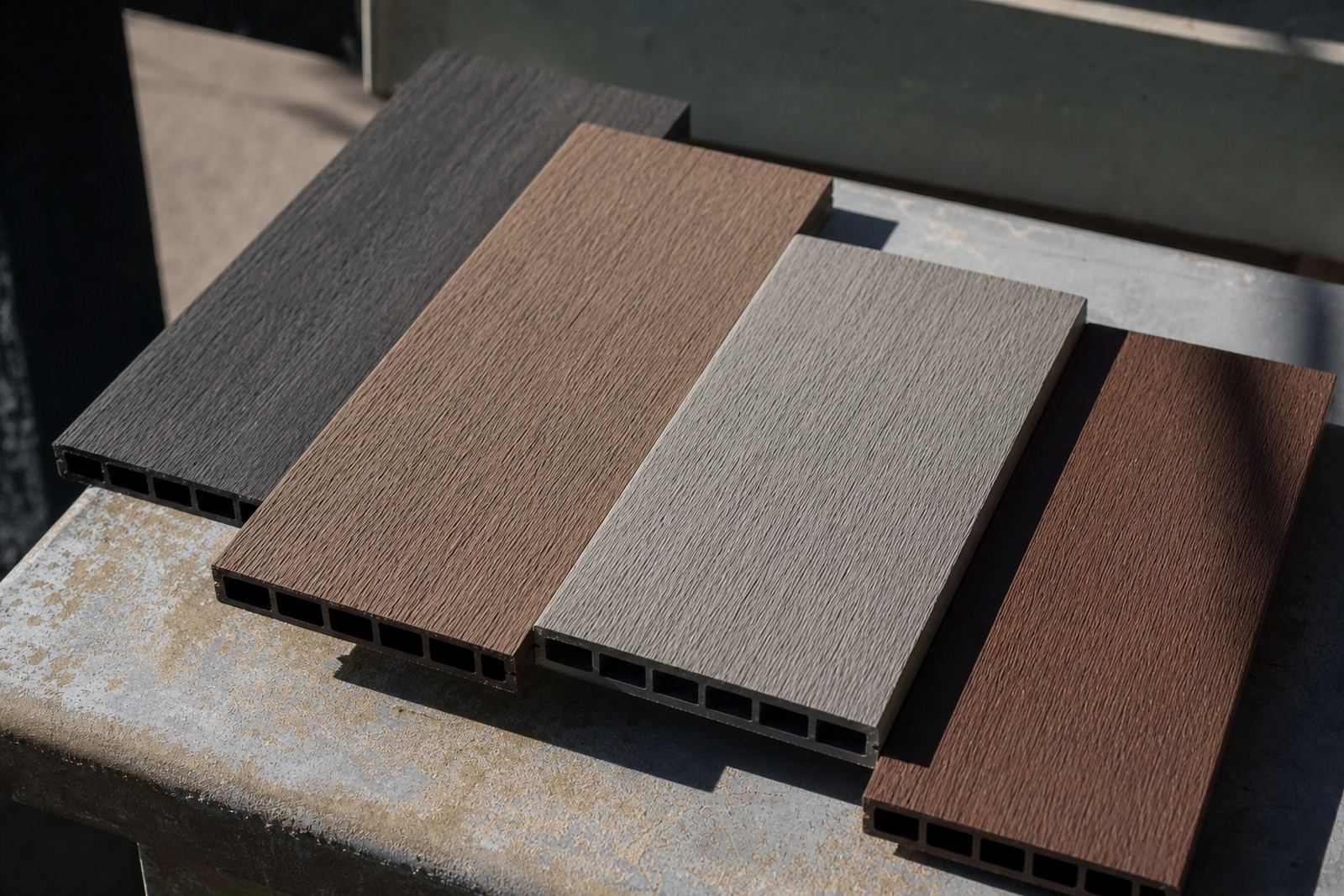
- Match board colour and profile to the building finish and surrounding paving.
- Plan for edge details, corners and transitions to steps or paths.
Bench planning for homes, estates and public areas
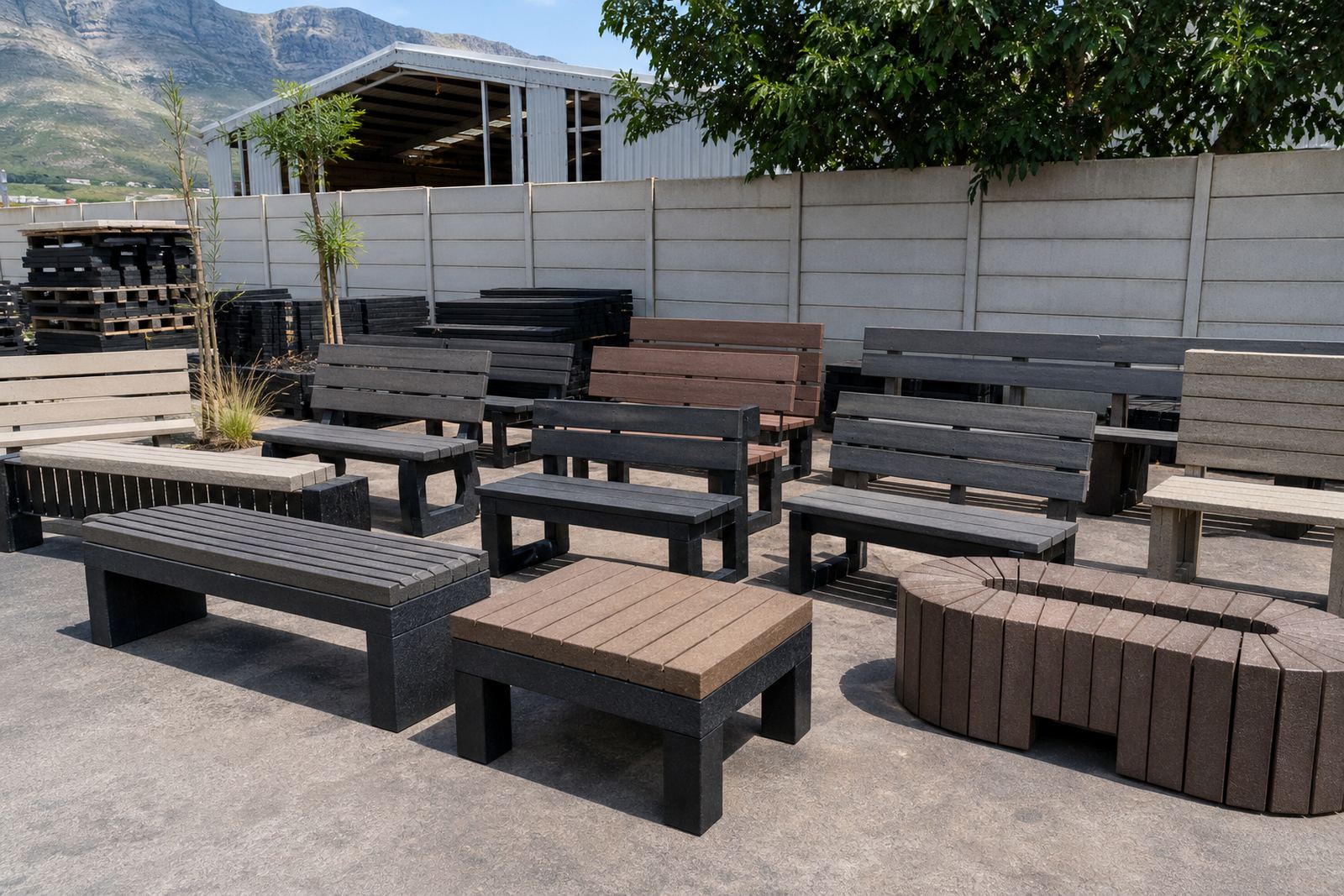
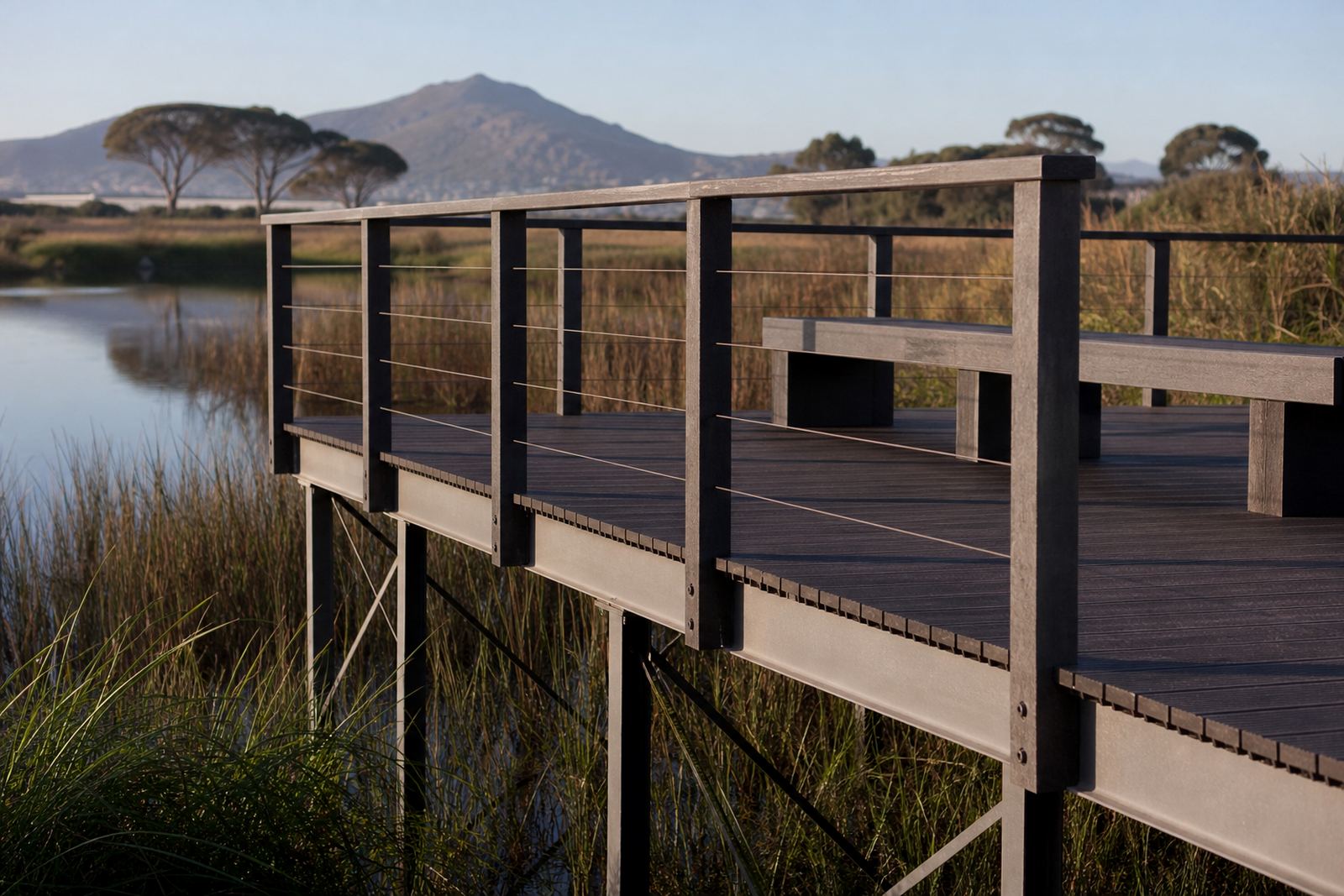
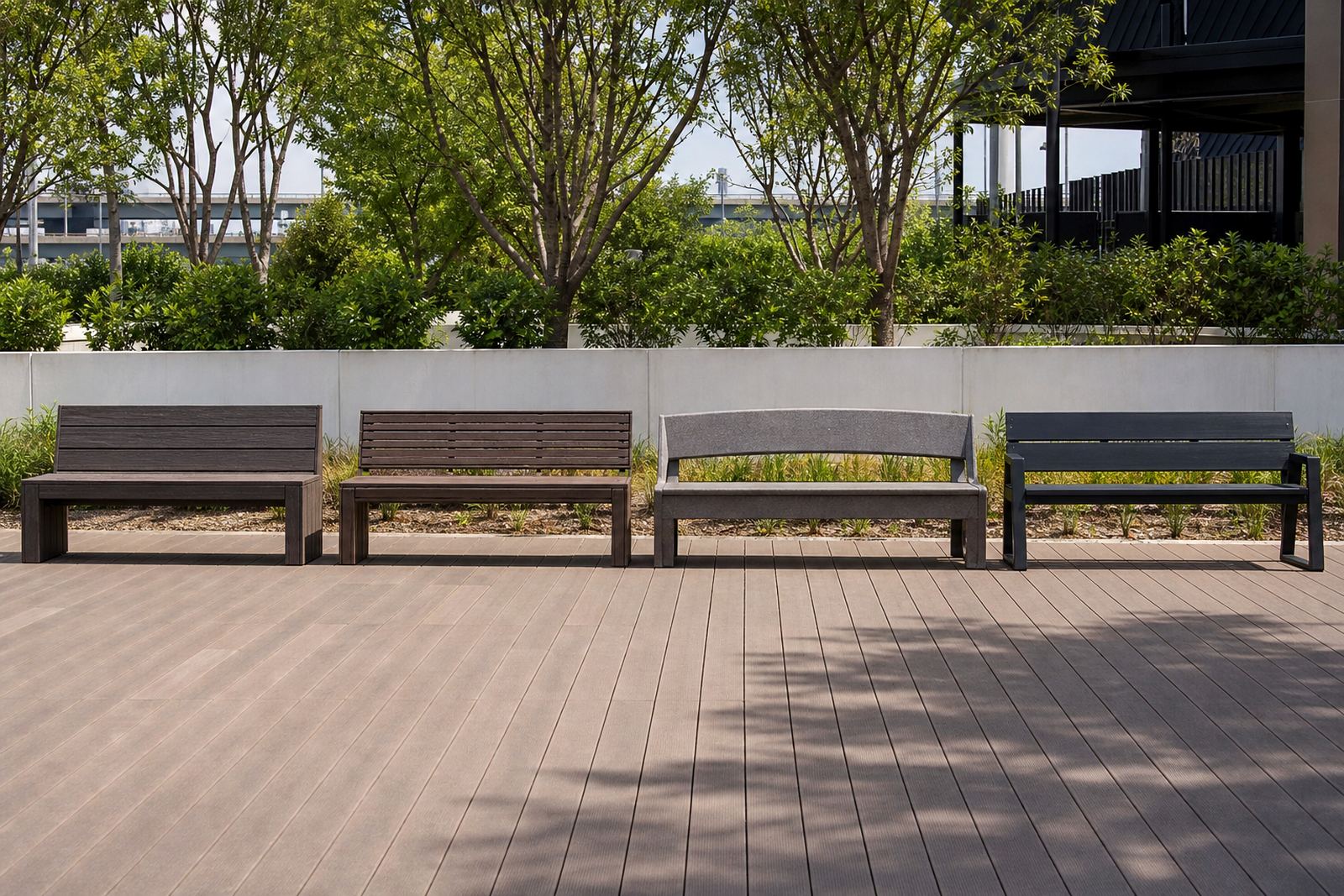
Benches made from recycled plastic lumber are used in gardens, schools, courtyards and commercial common areas because they handle weather and regular cleaning well. They are also useful where maintenance teams want a simpler option than timber, since they do not need routine resealing. In places with high sun exposure or coastal humidity, that can make a real difference over time.
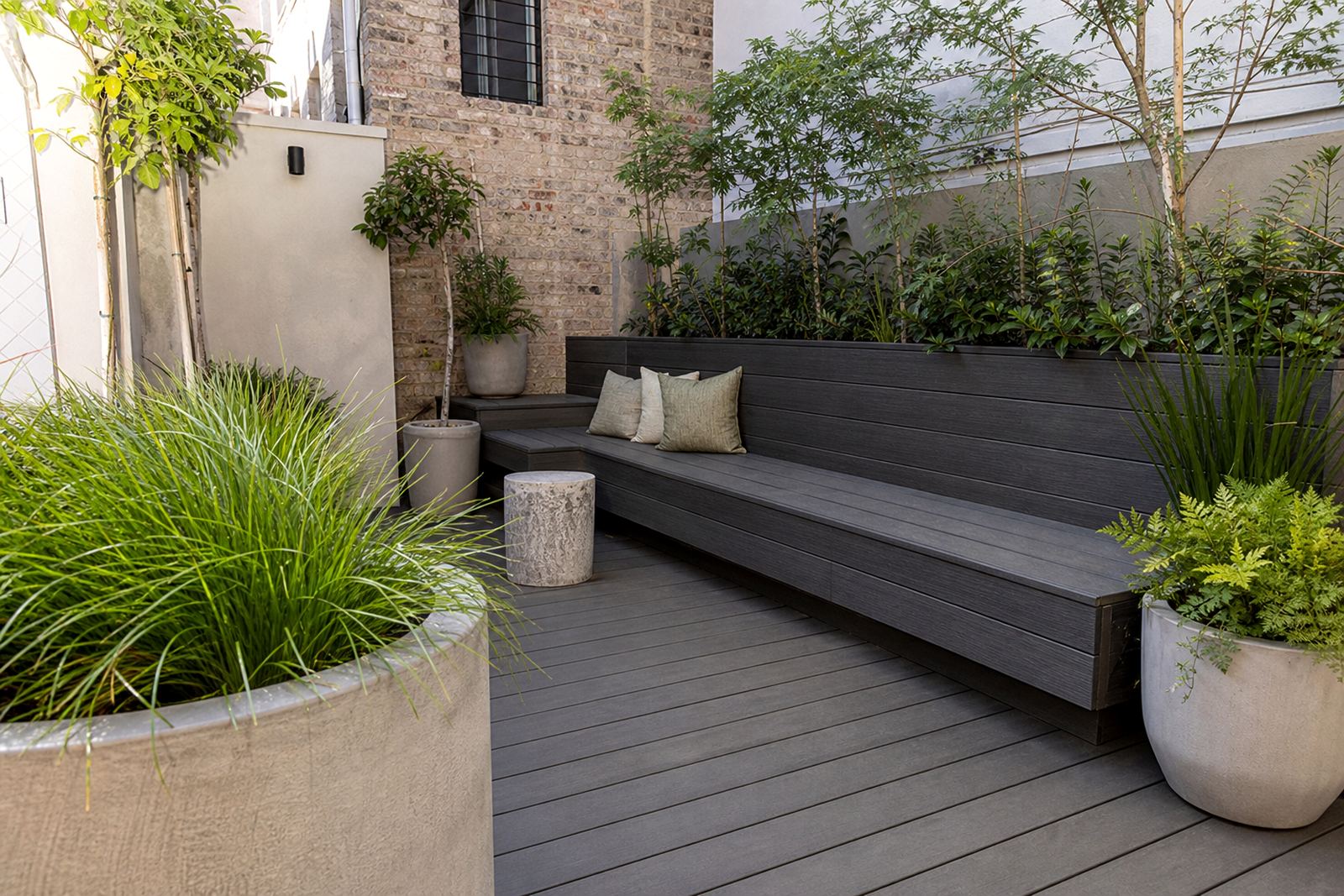
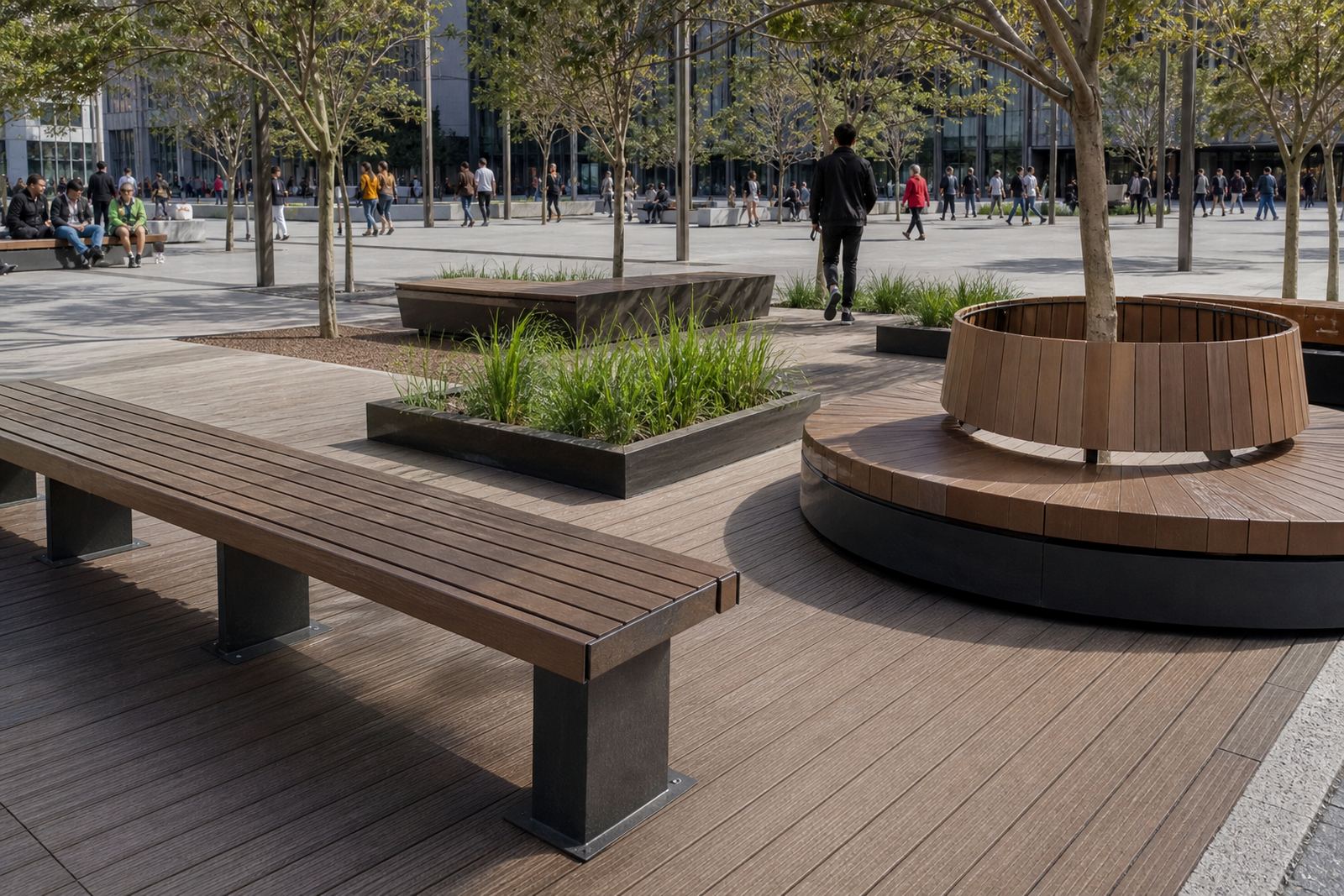
Before choosing a bench layout, look at how people will use the space. A narrow balcony in Somerset West needs different seating from a larger municipal-style pause area in Paarl or Bellville. Consider access clearances, fixing points, and whether the bench will stand alone or be built into a deck edge or paved area.
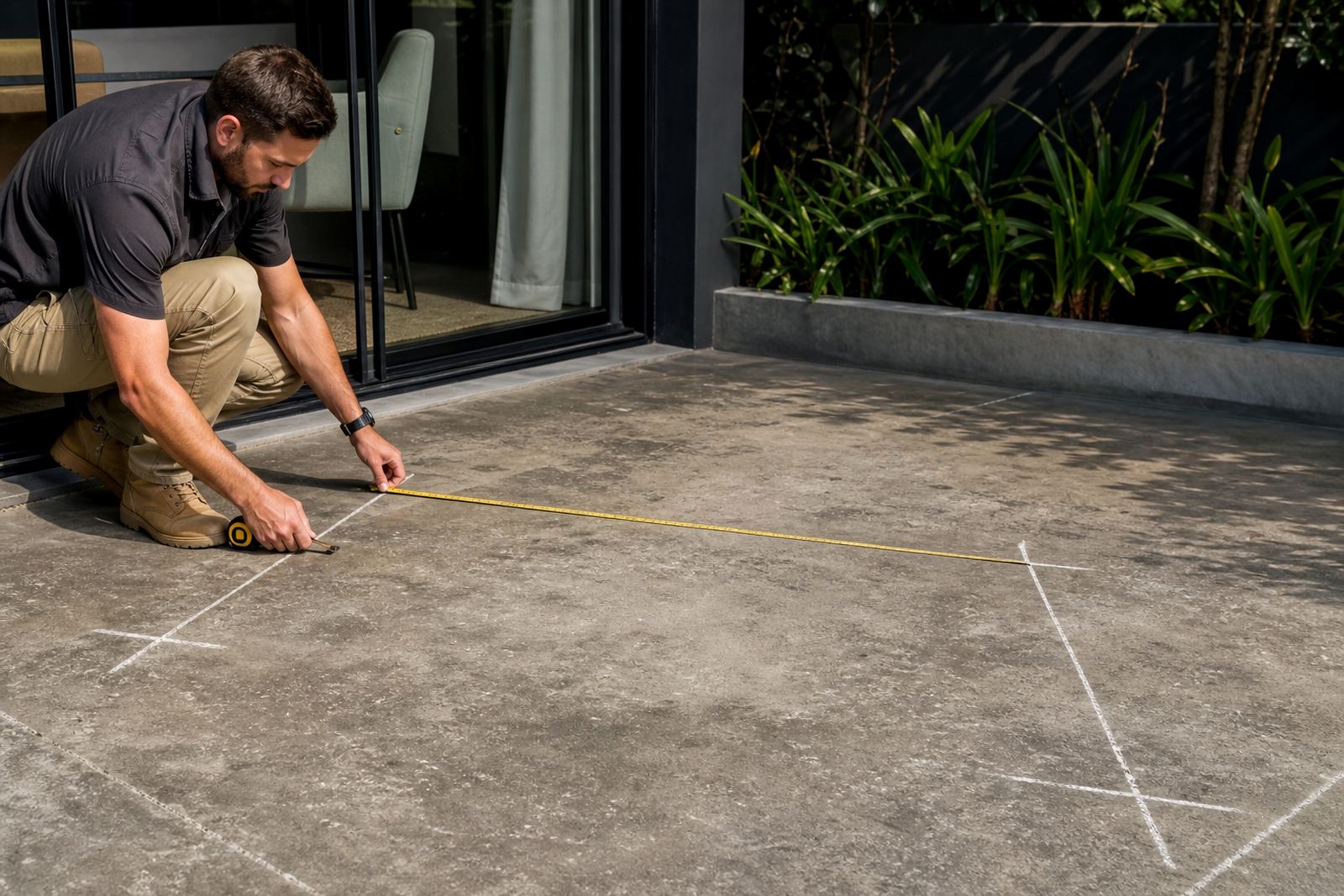
- Measure the space carefully before selecting bench length and depth.
- Allow enough room for cleaning, movement and wheelchair access where needed.
- Choose placement that suits shade, views and foot traffic.
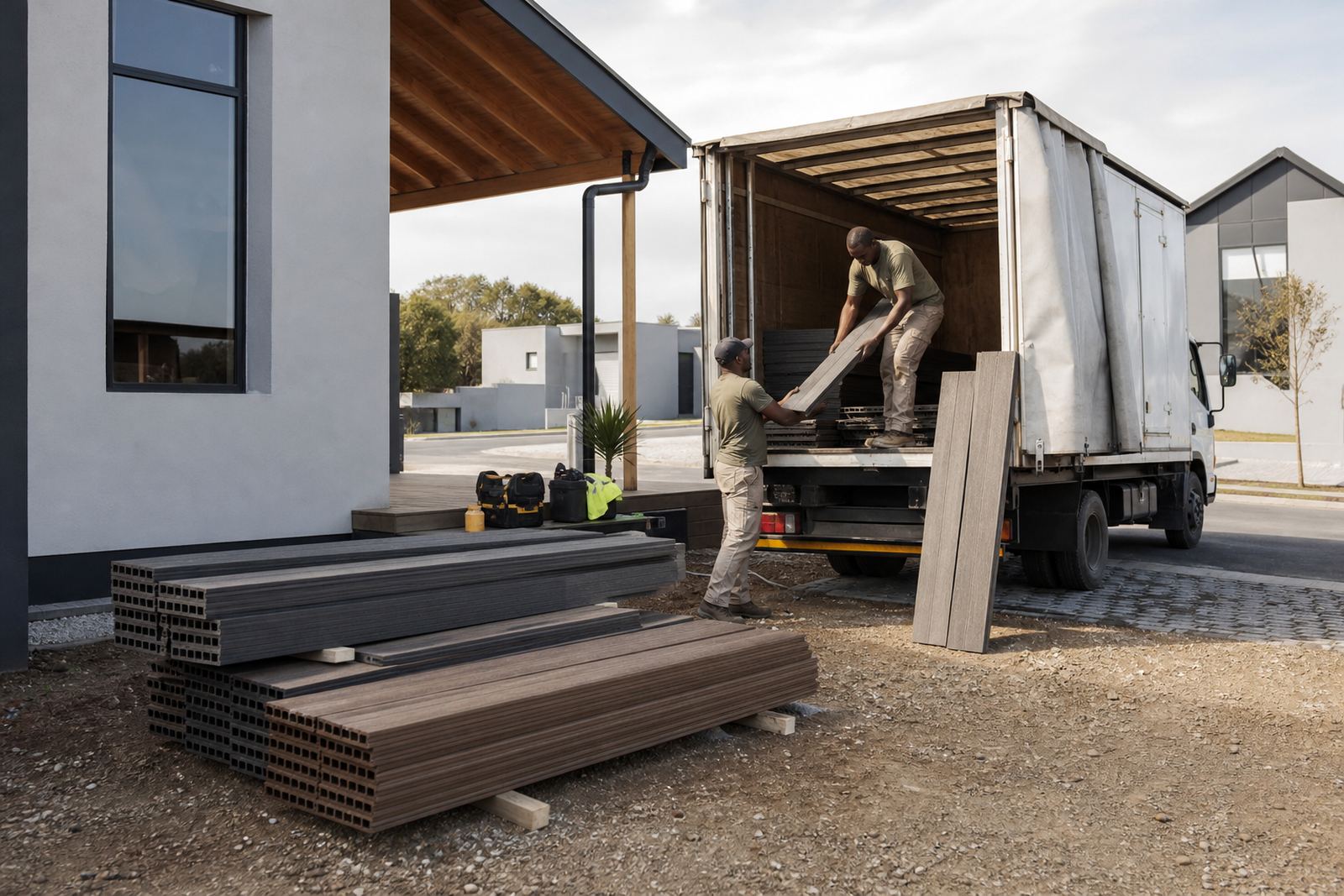
- Factor in delivery access if the site has tight gates, stairs or limited parking.
Layout choices that make a deck easier to use
A good deck layout is about more than board direction. It should guide movement, handle water run-off and sit neatly with doors, steps and nearby walls. On sloped sites or older buildings, site measures and layout planning help avoid awkward joins and wasted material. This is especially important where municipal rules or body corporate requirements affect access, visibility or boundary lines.
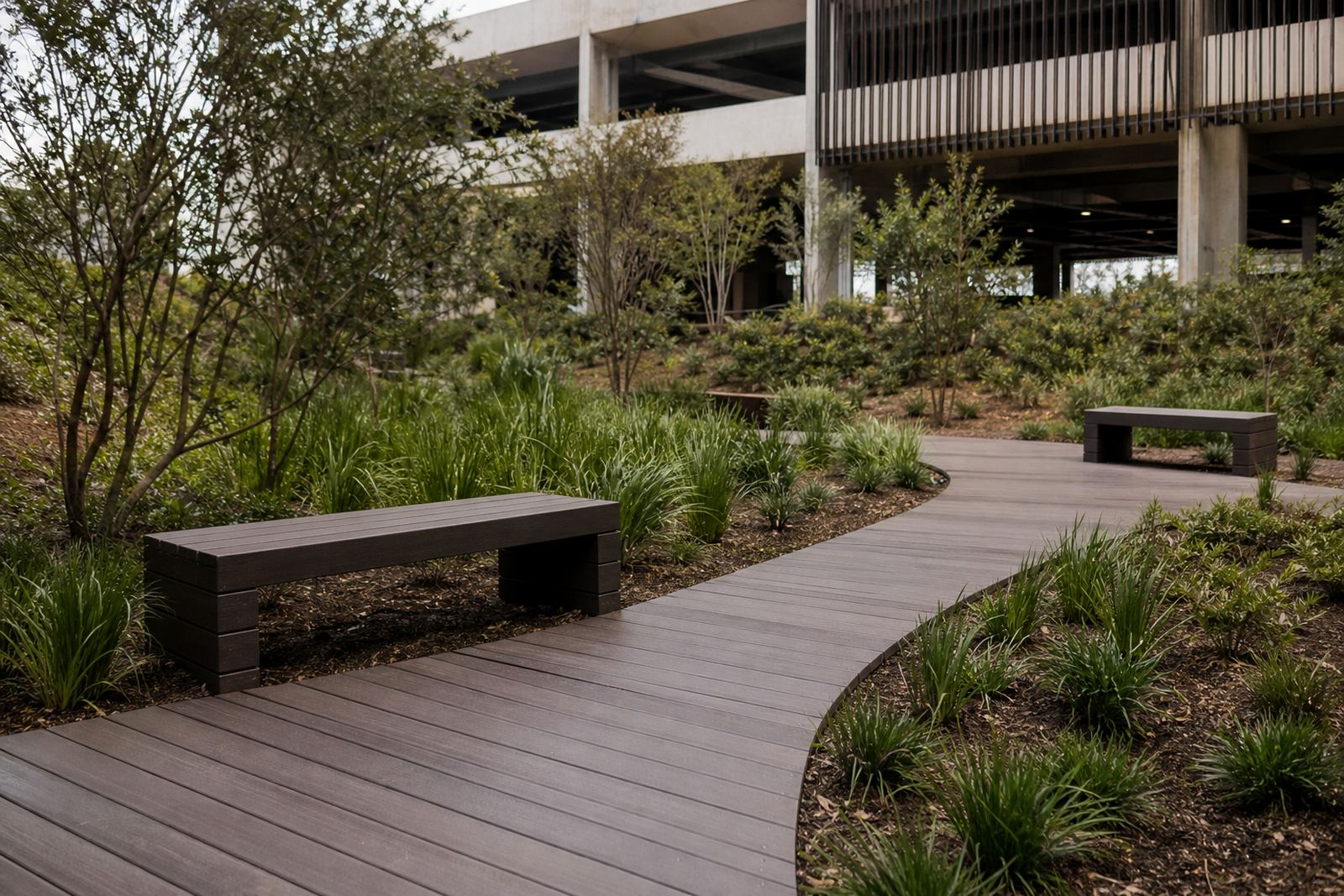
Think about zones before work begins. You may want a main walking line, a seating area, and a quieter corner for planters or benches. Smaller spaces often work better with clean rectangular runs, while larger commercial areas can suit stepped levels or built-in seating. The best layout is the one that works with the site, not against it.
- Map out door swings, drain points and service access.
- Keep major joints where they can be serviced later if needed.
- Use edge finishing to tidy exposed ends and level changes.
- Leave space for thermal movement and proper fixing methods.
What to know about everyday maintenance
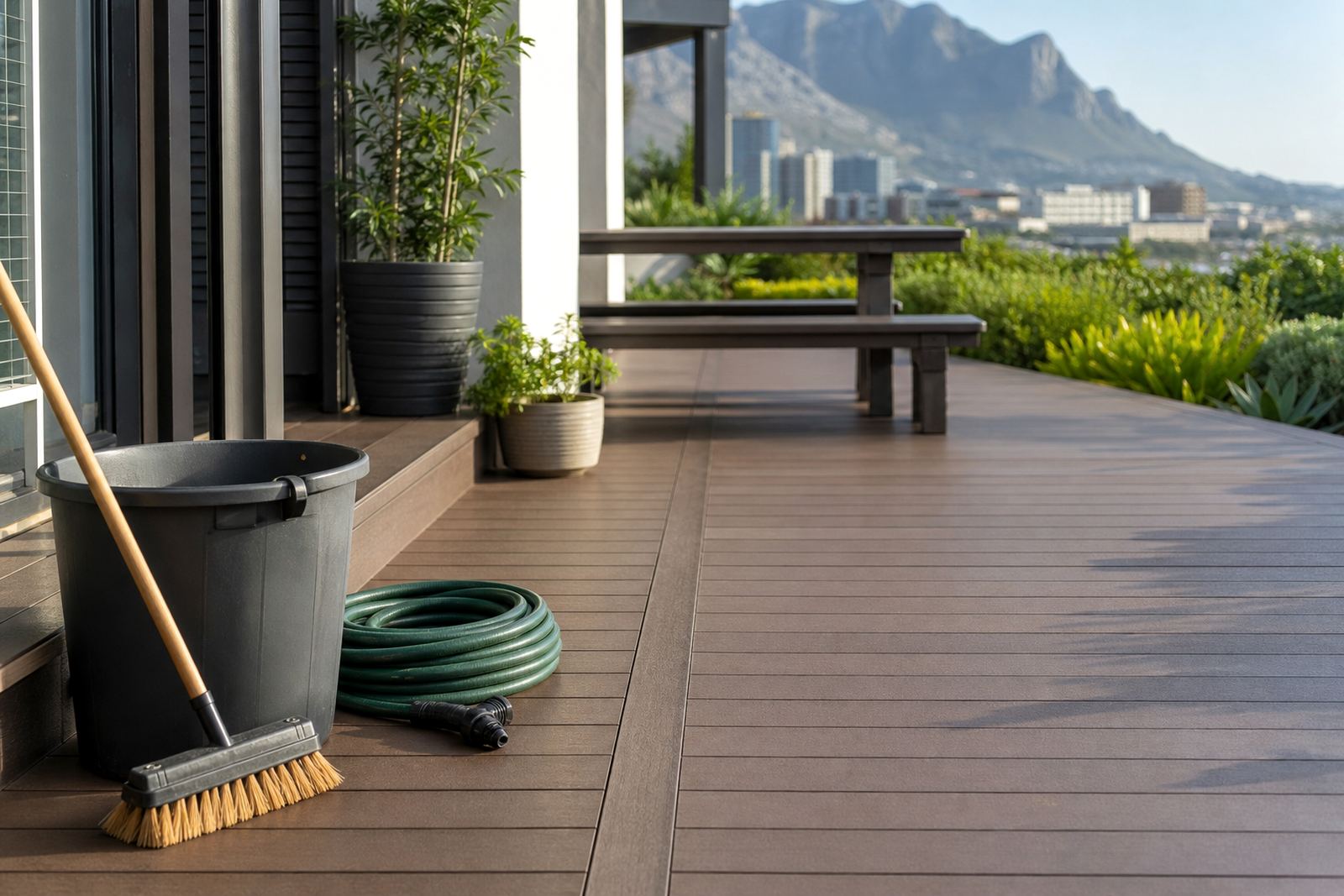
Recycled plastic decking and benches are low maintenance, but not no maintenance. Regular sweeping, a rinse with clean water and prompt attention to spills will keep the surface looking presentable. In dusty inland areas and windy coastal spots, debris can gather in corners and along edges, so simple cleaning makes a big difference.
For most properties, the main routine is checking for loose fittings, cleaning around joints and replacing damaged components when needed. If a board, seat slat or support piece takes a knock, component replacement is often quicker than starting over. That helps when the space must stay open for customers, tenants or staff.
- Sweep off sand, leaves and grit before washing.
- Use non-abrasive cleaning methods and avoid harsh scrubbing tools.
- Inspect fixings after heavy rain, strong wind or site changes.
- Ask for care advice if the area sees high foot traffic or regular food spills.
When refurbishment makes more sense than replacement
Some decks and benches can be brought back into good use without full removal. Refurbishment may suit structures where the base is still sound but the surface needs attention, or where one section has been damaged by wear, impact or movement. This can be a practical option for schools, hospitality venues and managed estates that want to keep disruption down.
A proper assessment will show whether edge finishing, board replacement or bench repair will do the job. In many cases, a small intervention can extend the life of the installation and keep the area safe and tidy. If the fixing pattern or substructure is no longer suitable, then a fuller update may be the better route.
- Look for warped sections, loose fittings and damaged ends.
- Check whether the issue is cosmetic or structural.
- Use a refurbishment plan to stage work in occupied spaces.
- Keep replacement components consistent with the existing layout where possible.
Trade support for projects across South Africa
From Paarden Eiland in Cape Town, we support projects across the country with practical planning, delivery coordination and installation work. That includes Cape Town, Stellenbosch, George, Johannesburg, Durban, Paarl, Somerset West and Bellville. Trade clients often need clear lead times, site measures and straightforward communication, especially when work has to fit around tenants, contractors or school terms.
If you are comparing options for a new deck, public seating area or refurbishment, start with the site conditions and the finish you need. A well planned project is easier to install and easier to maintain later. The enquiry form on the contact page is the best way to request help with measures, layouts, material quoting or trade support.
- Site measures
- Layout planning
- Material quoting
- Delivery coordination
- Deck installation and bench installation