Start With the Space, Not the Seat
A good bench layout begins with the footprint you have on site. Measure the length, width and any access routes before choosing between straight runs, L-shapes or freestanding pieces. In Paarden Eiland, Cape Town, we often see tight courtyards, exposed rooftop areas and shared walkways that need careful planning so the seating fits without blocking movement.
Recycled plastic lumber is a practical choice where timber would struggle with coastal humidity, regular cleaning, or heavy daily use. It does not need the same level of sealing as natural wood, and it is often chosen for outdoor areas near the coast, in schools, hospitality spaces and municipal sites. For busy places, less maintenance usually means fewer call-backs later.
Straight Benches for Simple, Flexible Seating
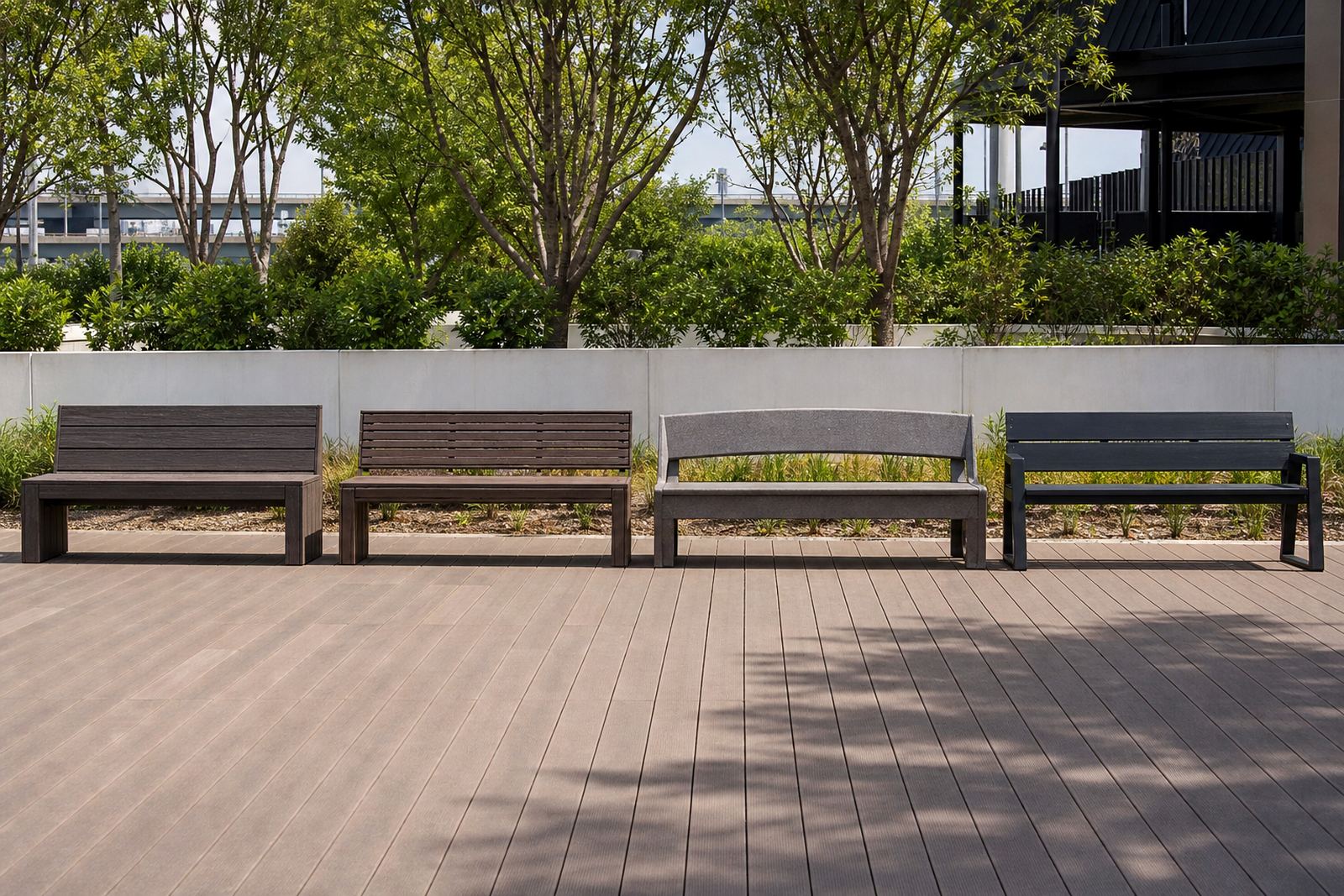
Straight benches are the easiest option when you need clear rows or a clean line against a wall, balustrade or planter. They work well for stoep areas, canteens, school courtyards and waiting areas. If the layout may change later, straight benches are easier to move and reconfigure than fixed corner seating.
- Best for long narrow spaces
- Easy to place against a wall or edge
- Good for equal spacing in public areas
- Suited to residential patios and commercial walkways
When comparing straight bench styles, check the seat depth, length and whether the base needs to sit level on paving, concrete or decking. A small mismatch in the footing can make the bench wobble, so site measures matter.
Corner Benches That Use Every Metre Better
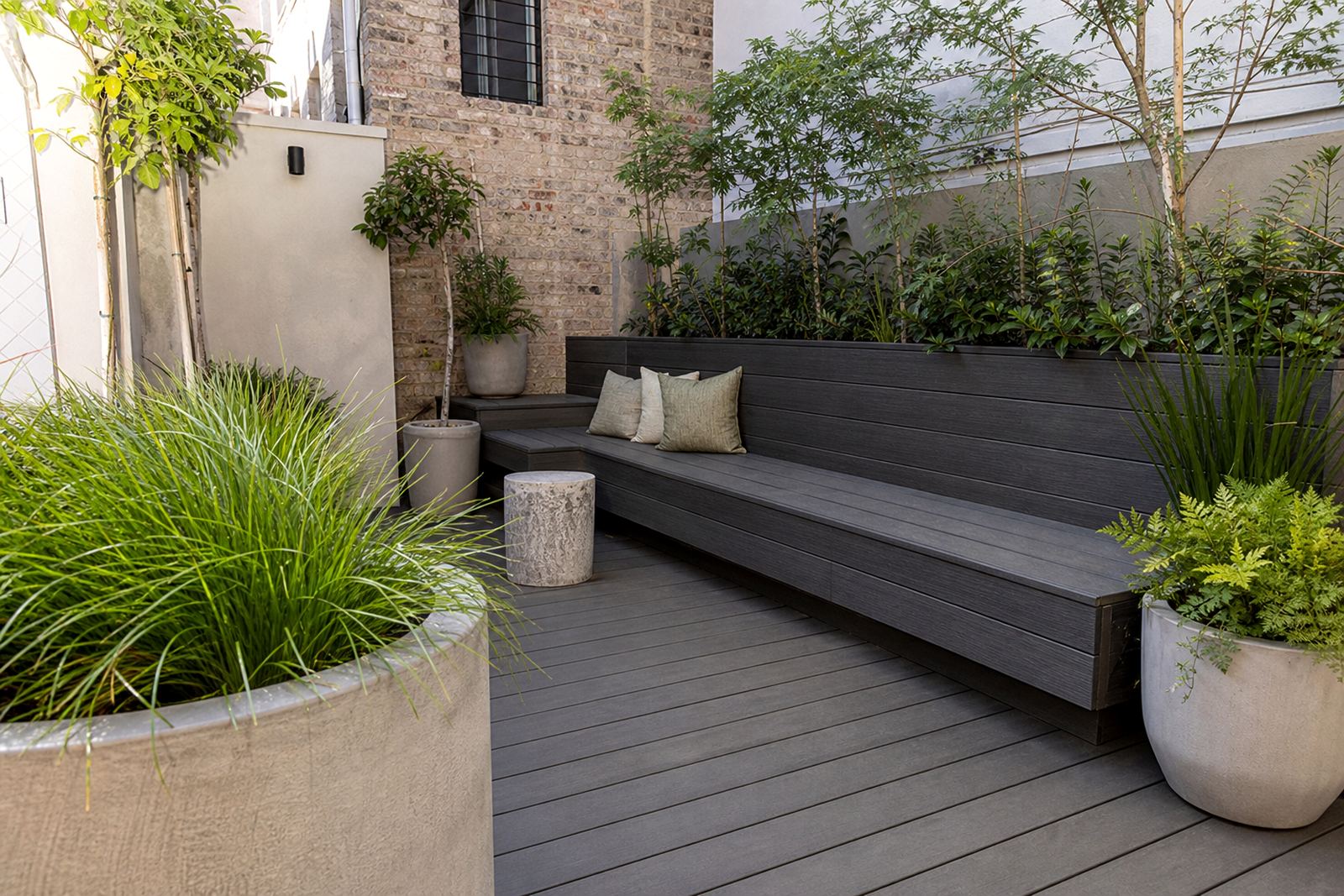
Corner benches suit L-shaped patios, braai areas and spaces where you want to turn an unused corner into useful seating. They help define the layout and can create a more social feel around a table or central feature. This style is often useful for homeowners in Stellenbosch and Somerset West, where outdoor entertaining areas are compact but well used.
For corner layouts, think about how people will enter and leave the seating zone. Leave enough clearance for movement and avoid pushing the bench too close to doors, steps or drainage channels. One badly placed corner can make the whole area feel cramped, even if the bench itself is the right size.
- Good for L-shaped patios and courtyards
- Works well around tables or planters
- Can help frame a quiet seating area
- Needs careful corner measurements before ordering
Backless Seating for Open, Low-Profile Areas
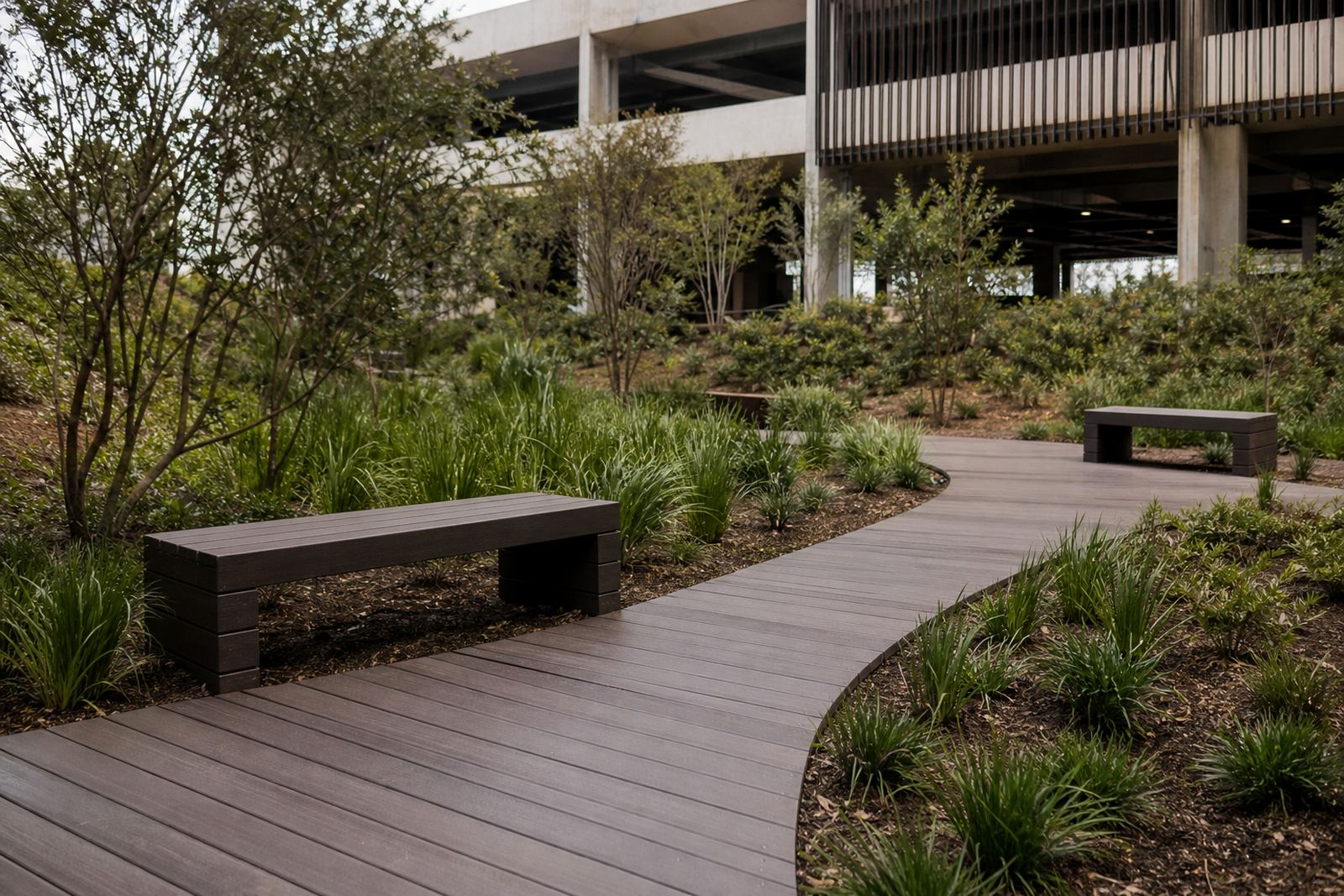
Backless benches are useful where flexibility matters and the seating needs to be approached from either side. They suit parks, school grounds, public waiting areas and open decks where people may sit for short periods or group together informally. Because there is no backrest, they can feel lighter visually and fit under open structures more easily.
They are also handy where supervision is important, such as public spaces or shared facilities. Without a backrest, the bench can be turned and arranged in more ways, which helps when the same area is used for events, breaks or day-to-day circulation. In Durban or George, where outdoor use can shift with weather, that flexibility is often appreciated.
Park-Style Bench Layouts for Public Use
Park-style seating usually means a heavier duty layout designed for repeated use, regular cleaning and exposure to the weather. These benches are often placed in rows, around paths or near shaded gathering points. In municipal, school and commercial environments, the aim is often to provide seating that stays tidy and holds its position without constant attention.
With recycled plastic lumber, park-style benches can be specified for high exposure sites where moisture, salt air and sun are part of daily life. That includes coastal towns as well as inland locations where dust and strong sun can still affect timber. They are also practical in places with load-shedding because they do not rely on power and do not need special treatment to stay in use.
A Simple Checklist Before You Choose
Before you place an order, work through a short checklist with your team or installer. This saves time, especially when you are managing delivery to Johannesburg, Durban or a site in the Western Cape with limited access. It also helps avoid the common mistake of choosing a style that looks right but does not suit the actual use of the space.
- Confirm the exact site measurements
- Decide how many people need to sit at once
- Check if the bench must be fixed or movable
- Allow for access, cleaning and foot traffic
- Think about shade, rain and coastal exposure
- Match the bench style to the rest of the layout
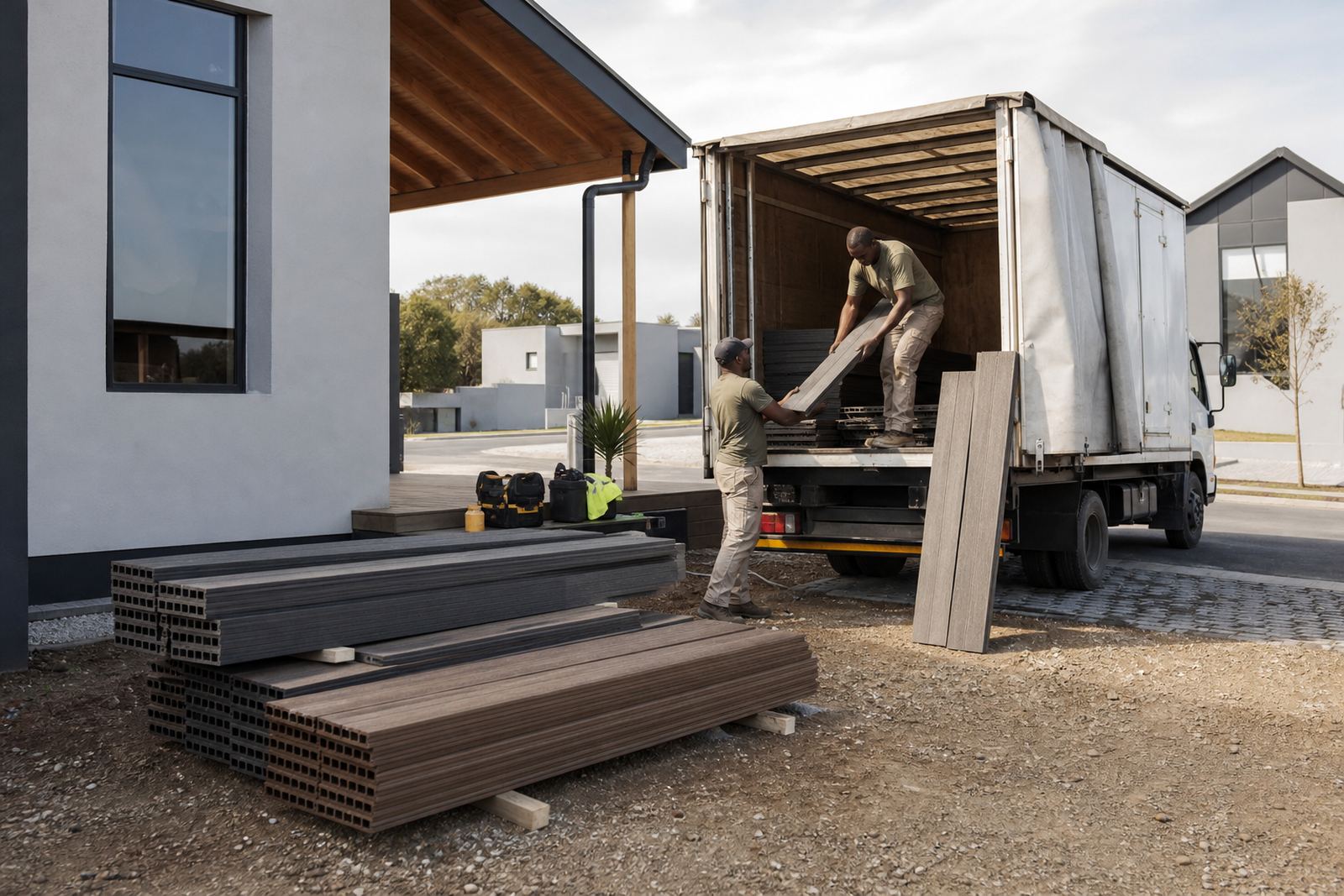
For trade clients, it helps to record the location, substrate and finish required before requesting a material quote. Our team in Cape Town supports site measures, layout planning, delivery coordination and installation across South Africa, including Paarl, Bellville and George.
When to Ask for Trade Support
If the seating area is part of a larger deck, walkway or commercial fit-out, it is worth getting support early. Bench style affects the spacing, edge finishing and how the rest of the area is used. A poor sequence can mean the deck is complete but the seating does not align with the final layout, which is frustrating and wasteful.
Clients usually contact us through the enquiry form on our contact page when they want help comparing styles, confirming quantities or arranging refurbishment of existing seating. Based in Paarden Eiland and led by Morne van Zyl, our team includes sales, projects, production, logistics and installation support for work across Cape Town, Stellenbosch, George, Johannesburg and Durban.