What to sort out before the crew arrives
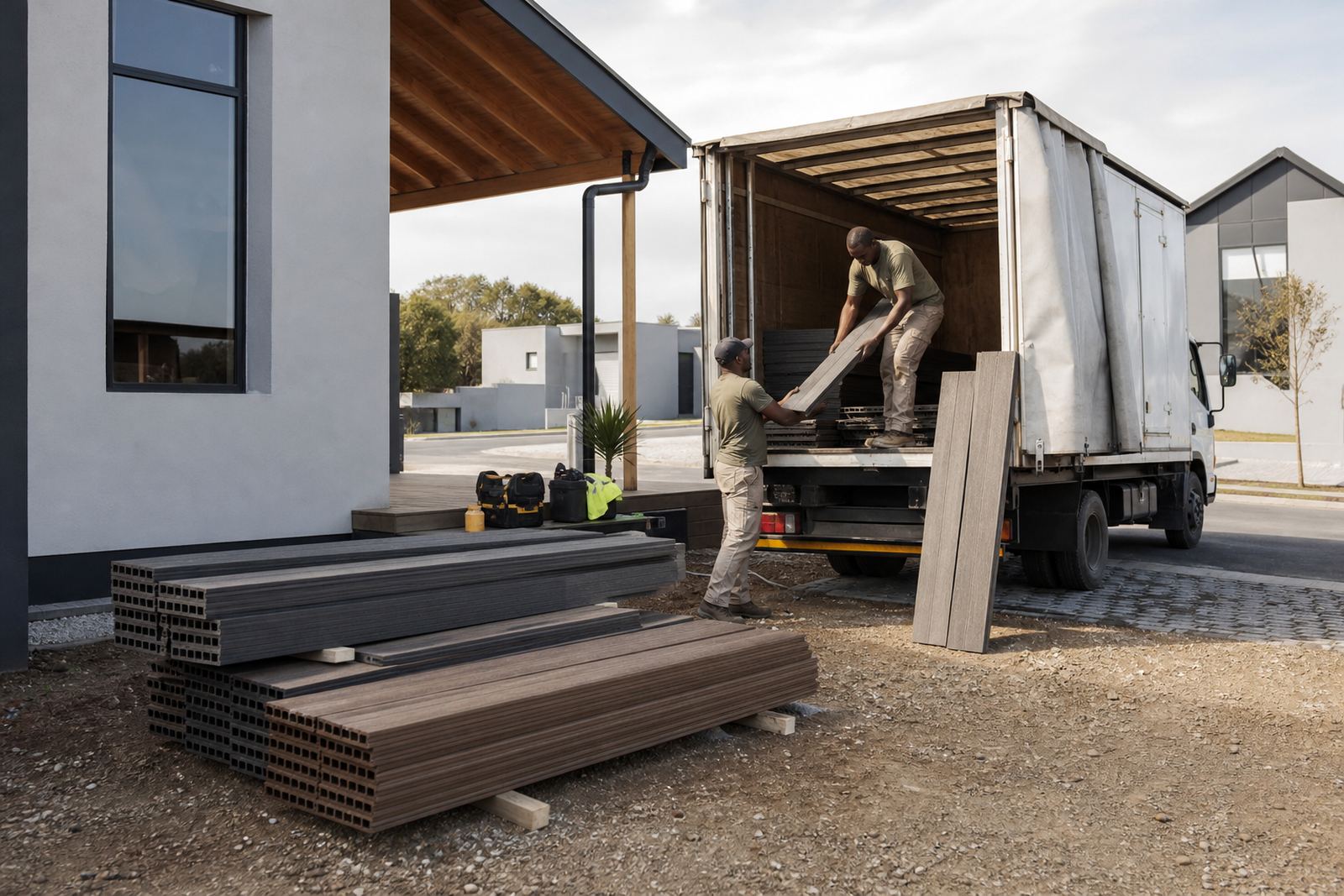
A smooth installation starts before the first board or bench component comes off the delivery vehicle. We usually confirm site access, final measurements, ground conditions and where the materials can be stored safely on arrival. In places like Paarden Eiland, Bellville or Stellenbosch, that may include checking for loading bay access, narrow entrances, staircase limits or municipal rules around placing materials on the pavement.
For coastal sites in Cape Town, Somerset West or Durban, it helps if the area is dry and clear of standing water. Recycled plastic lumber is low-maintenance, but a wet, cluttered work area can slow the job and make layout marks harder to see. If there is a load-shedding slot or noisy neighbour restrictions, let the team know upfront so the work sequence can be planned properly.
- Clear vehicles, garden furniture and loose items from the work area
- Keep pets and children away from the installation zone
- Make sure gates, locks and access paths are open
- Confirm water and power access where needed for tools and cleaning
- Share any site rules for body corporates, estates or commercial properties
How the site gets marked out and checked
Before fixing anything, the team checks levels, slopes, edges and anchoring points. That matters for both decking and benches because a small change in gradient can affect drainage, finish and comfort. For older properties in George or Paarl, the ground may have settled unevenly over time, so this stage is where adjustments are usually made.
Material lengths, joint positions and edge details are reviewed against the agreed layout. If there are existing walls, posts, drains or inspection covers, those are taken into account so the finished installation sits neatly and still remains practical to maintain. If a new base needs minor correction, that is handled before the main fit-out begins.
- Check the substrate for cracks, loose sections or soft spots
- Confirm the slope will move water away from the structure
- Mark bench positions so seating lines up with the site flow
- Agree any last-minute changes before fixing starts
What happens during deck installation
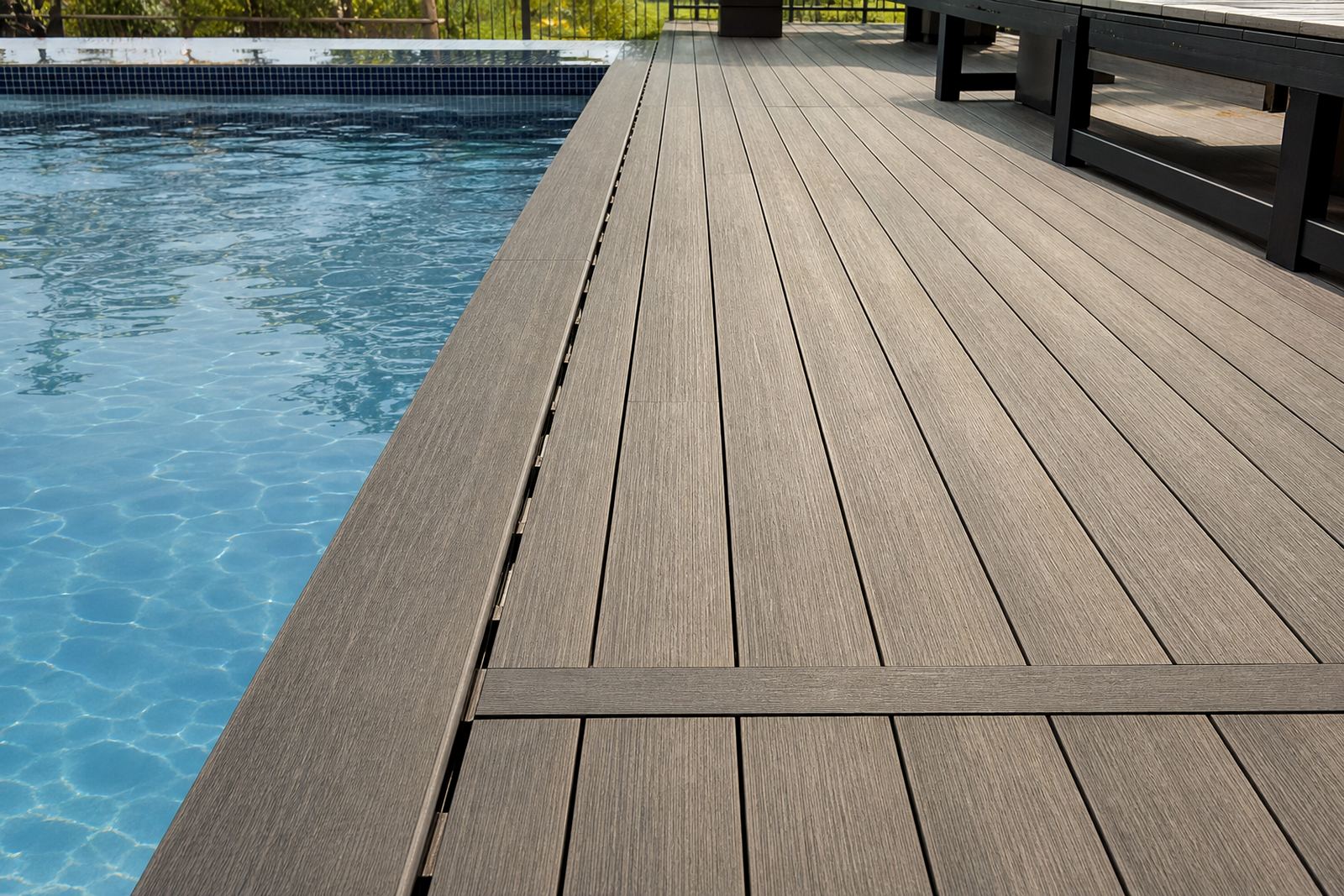
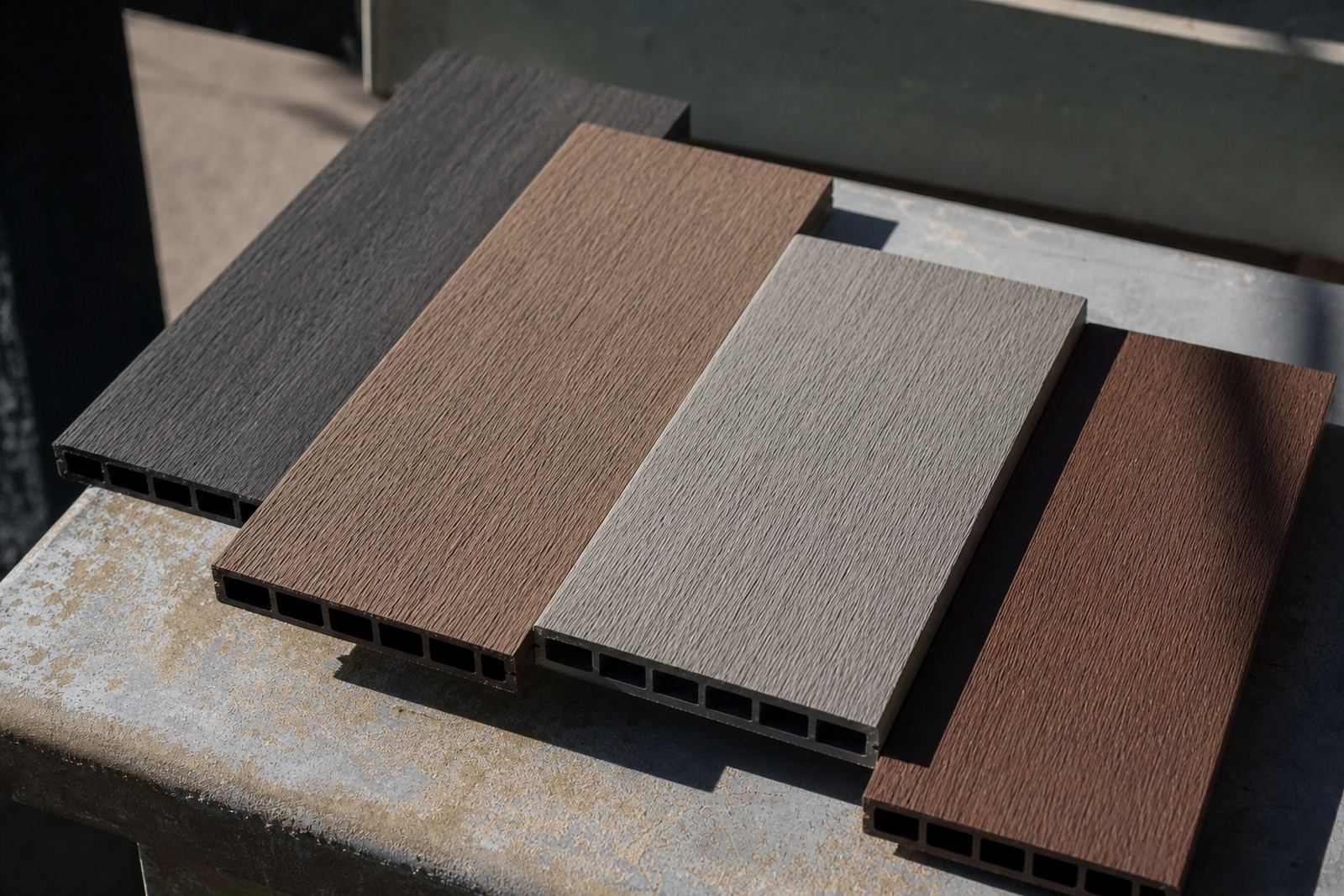
Deck installation usually starts with the support structure, then the decking boards are fixed in sequence, followed by edge finishing and final trim work. Recycled plastic lumber is often chosen because it handles moisture well and does not need the same upkeep as timber, which can be useful in coastal air or where the deck will see regular foot traffic. The crew works in stages so each line stays straight and each fixing point is consistent.
As the boards go down, the team checks spacing, alignment and surface transitions. If the deck wraps around a pool, doorway or step, those areas get extra attention so there are no awkward edges or trip points. Cutting, drilling and fastening are done on site as needed, with offcuts removed as work progresses rather than left for the end.
- Support structure installed and checked for level
- Boards fitted in sequence with consistent spacing
- Cut-outs made for posts, corners and drainage points
- Edges trimmed neatly and surfaces checked for sharp points
- Working area kept clear of offcuts and packaging
What to expect when benches are installed
Bench installation is usually quicker than a full deck, but it still needs careful placement. The team confirms where the bench will face, how people will use the space and whether the seating needs to be fixed down or left as a movable feature. In schools, office courtyards, public walkways and private gardens, a bench that is positioned properly will hold up better and be more comfortable to use.
If the bench is being installed near a deck, wall or paved area, the alignment is checked from more than one angle. This avoids a seat that looks straight from one side but sits awkwardly from another. Final tightening, spacing checks and surface cleaning are completed before handover.
- Confirm exact position before fastening starts
- Check seat height and clearance around the bench
- Match the bench finish to the surrounding area
- Make sure fixings are secure and not exposed
Keeping the day running well on site
Good coordination matters on installation day, especially when the site has limited access, neighbours close by or other trades working nearby. The crew will usually keep a steady sequence: unload, measure, fit, check, then tidy. If there are electricians, painters, landscapers or plumbers on the same property, it helps to schedule their work around the installation so nobody gets in each other’s way.
For commercial sites, loading areas and safety access must stay clear. For homes, it is best to keep walkways open and avoid moving the materials once they have been set out. If weather turns windy or heavy rain arrives, the plan may be adjusted to protect the finish and keep the work accurate. A short delay is better than forcing a poor result.
- Keep one contact person available for quick decisions
- Do not move measured materials unless asked to do so
- Leave tools and fixings in place until the team has finished each step
- Expect dust, saw cuts and minor noise during the working period
Final checks, clean-up and first use
Before sign-off, the installation is checked for alignment, secure fixing, edge finish and general presentation. Any final component replacement, tightening or minor adjustment is completed then and there. The work area is swept, packaging is removed and the finished deck or bench is handed over with simple care advice so the surface can stay in good condition.
Recycled plastic lumber is straightforward to look after, but the first few weeks still matter. Avoid dragging heavy items across the surface and clean away dust, leaves or soil when they build up. In humid or coastal areas, regular rinsing can help keep the installation neat. If something does not feel right after handover, report it early so it can be checked while it is still easy to sort out.
- Review the finished layout against the agreed plan
- Check that all cut edges and corners are neat
- Ask for care advice before heavy use starts
- Keep the handover notes and contact details for follow-up support