Start With the Space and How It Will Be Used
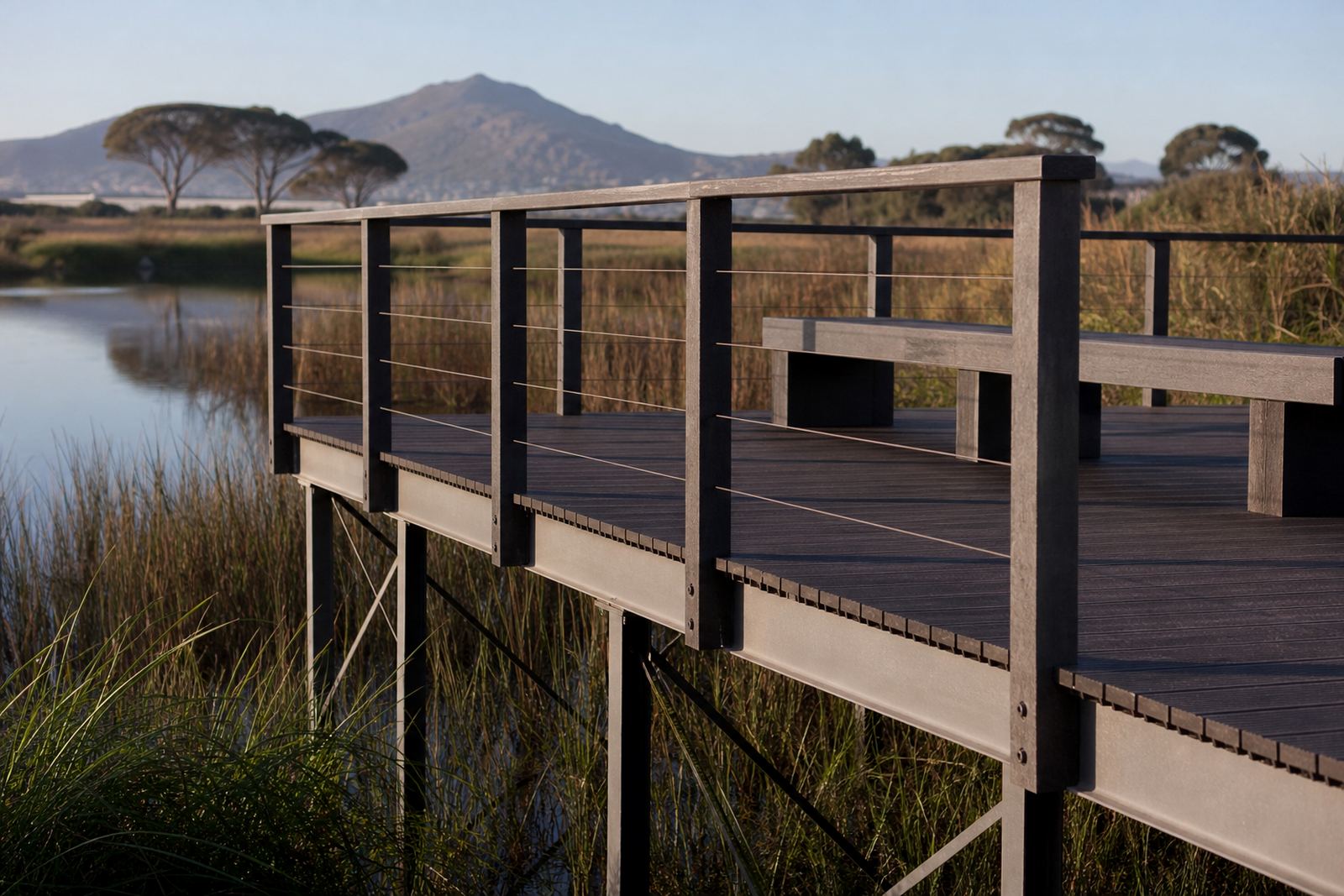
Before you order material, work out what the deck needs to do. A small braai area in Somerset West has different needs to a pool surround in Durban or a raised viewing platform in George. Recycled plastic lumber is useful where moisture, coastal air, and regular cleaning are part of daily life.
Think about the traffic on the surface, whether chairs will be moved often, and whether the deck will be exposed to full sun or partial shade. For public or shared spaces, factor in access for maintenance and the need to keep surfaces tidy after rain, wind or load-shedding related lighting changes.
- Measure the full area, including steps, edges and any cut-outs
- Note whether the deck is ground level or raised
- Check exposure to sun, splash water and coastal humidity
- Plan for movement of people, furniture and trolleys
Check the Site Before Any Material Is Ordered
A proper site measure avoids waste and makes the layout cleaner. The base should be assessed for level changes, drainage, access and any service points that must stay open. In older Cape Town and Bellville properties, this often includes uneven paving or sloped ground that needs careful setting out.
If the deck is going onto an existing slab, the surface should be checked for cracks, standing water and loose sections. If it is being built over soil, the support plan needs to suit the ground conditions and the intended height. Good planning now saves time later and helps the finished deck sit straight and stable.
- Confirm the exact finished height at doors and thresholds
- Check drainage so water does not sit under the deck
- Identify walls, pipes, cables and inspection covers
- Allow enough space for ventilation and cleaning access
Understand the Material and Its Everyday Benefits
Recycled plastic decking is made for places where timber may need more upkeep. It does not need sanding, sealing or painting in the same way as wood, and it handles moisture well. That makes it a practical choice for coastal areas like Durban, George and the Cape Town seaboard, where timber can be affected by weather and humidity.
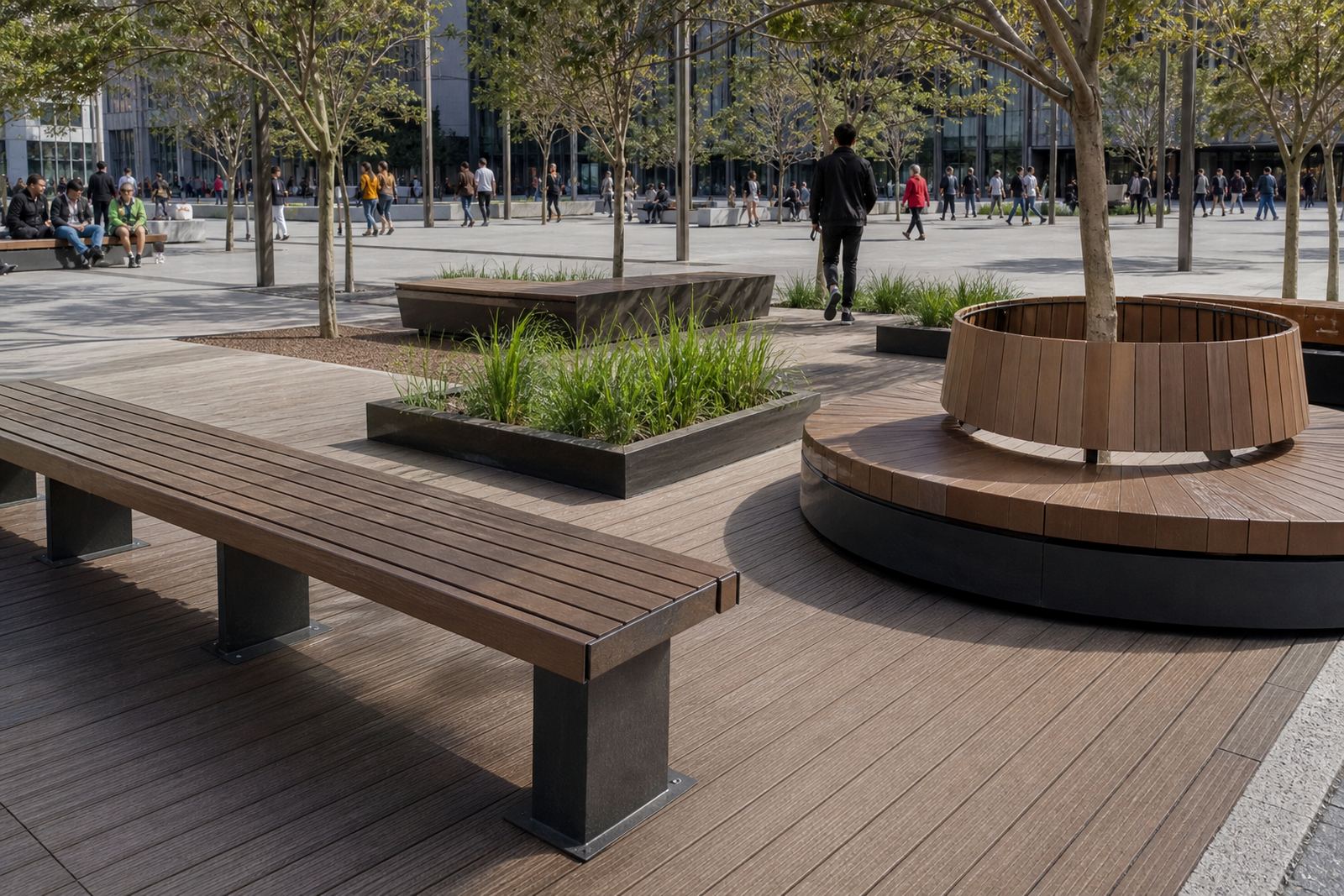
The look is neat and consistent, and the surface can be used for residential patios, balcony finishes, walkways and light commercial areas. It is also suitable where a low-maintenance finish is important, such as rental properties, guest spaces and public seating areas. It is not a substitute for every timber use, but for many exterior projects it gives a sensible long-term option.
Because the material is dense and solid, installation details matter. Correct fixing, correct spacing and the right edge treatment all make a difference to how the deck performs over time.
Choose the Right Sections, Finish and Layout
Buying decking is not only about the boards. You also need to think about edges, joints, corners, stairs and transitions into surrounding paving. A clean layout makes the space easier to use and easier to keep clean.
For many projects, the best approach is to confirm the board direction first, then work out the cuts and edging pieces. Straight runs are usually simpler and more cost effective. Complex curves, picture frames and mixed levels can still be done, but they need more planning and more detail in the quote.
- Decide on board direction before cutting starts
- Include edge finishing around exposed sides
- Plan for steps, landings and door thresholds
- Allow for expansion gaps and fastening points
Installation Checks That Keep the Deck Working Properly
Good installation is about accuracy. The support structure should be set out evenly, fasteners should be fitted correctly, and the finished surface should drain away from the building. If the deck is raised, the frame and support spacing need to suit the size and use of the area.
In busy homes and commercial spaces, it also helps to think about movement and cleaning access from the start. A deck around a pool or entertainment area should be simple to hose down, while a balcony or terrace may need a cleaner edge detail to manage water and dirt. Jason and the installation team normally check these points before work starts so the site runs smoothly.
If you are comparing options, ask for layout planning and material quoting together. That way, you can see how much board, fixing and finishing material is needed before the first delivery arrives.
Plan for Care, Refurbishment and Future Changes
One of the main reasons people choose recycled plastic lumber is the lower upkeep. Even so, decks still need routine care. Dirt, leaves and sand should be cleared off, and any build-up around corners or joins should be washed away. In coastal areas, regular rinsing helps keep the surface looking tidy.
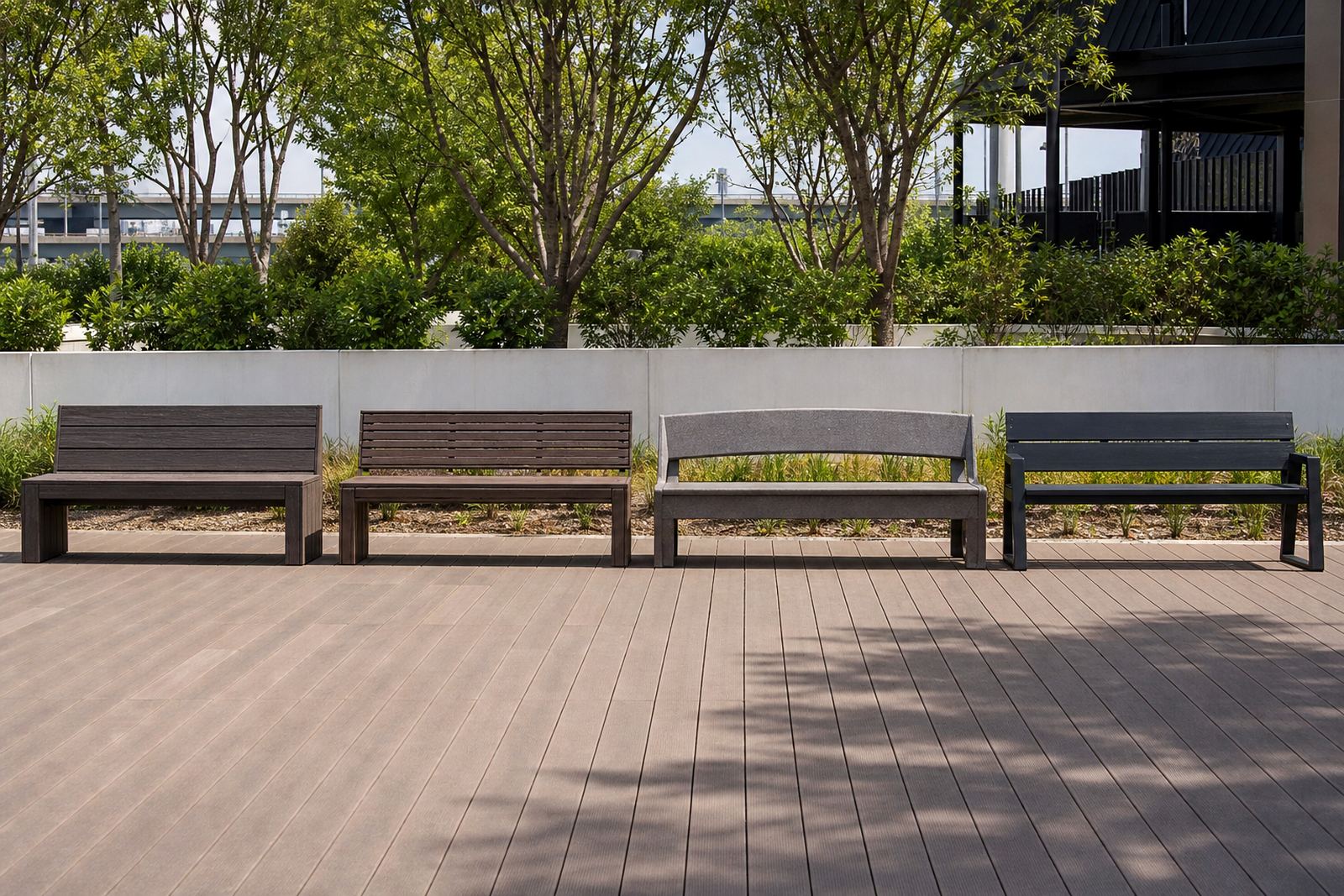
If a section is damaged or worn, component replacement may be possible without taking up the whole area. That makes it useful for projects that need to stay in service. Benches used in schools, complexes or public gardens can be refurbished in stages as well, which keeps disruption down.
For the best result, keep a record of the layout, cuts and fixing pattern. It makes future repairs faster and helps when you need more material later on. A small bit of planning now saves plenty of hassle later.