Start With the Route, Not the Boards
Before you choose material, walk the full line of the route and note where people will step, pause and turn. A boardwalk beside a garden, dune edge, pool area or retail frontage all face different wear, moisture and cleaning needs. In coastal towns like Cape Town, George and Durban, salt air and humidity can shorten the life of untreated timber, so it is worth checking whether a recycled plastic lumber system is better suited to the site.
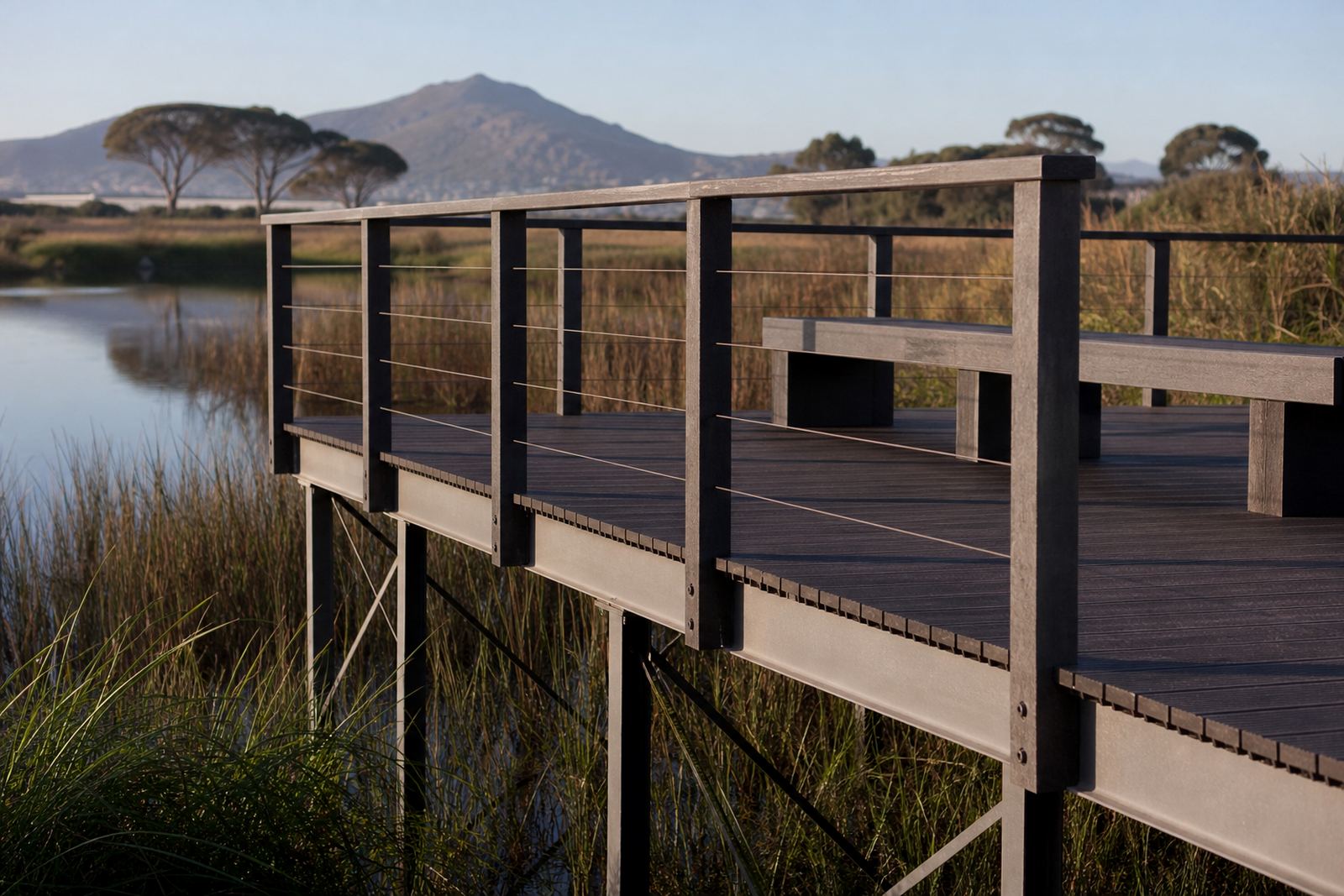
Ask who will use the walkway most often. A private home with light foot traffic is one brief, while a commercial route with trolleys, deliveries or frequent visitors needs a different layout. If the boardwalk must run over uneven ground, around planting beds or across a drainage line, the support method and edge treatment matter just as much as the surface boards.
Questions to Ask About Material Choice
Recycled plastic lumber is often chosen for outdoor walkways because it does not absorb water like timber and it handles wet conditions well. That said, every site is different and the material still needs the correct spacing, fixing and support. Ask what thickness and profile suit the span, whether the boards are suitable for direct sunlight, and how they will behave in high heat on exposed sites in Johannesburg or Pretoria.
- Will the boards be exposed to full sun, standing water or salt spray?
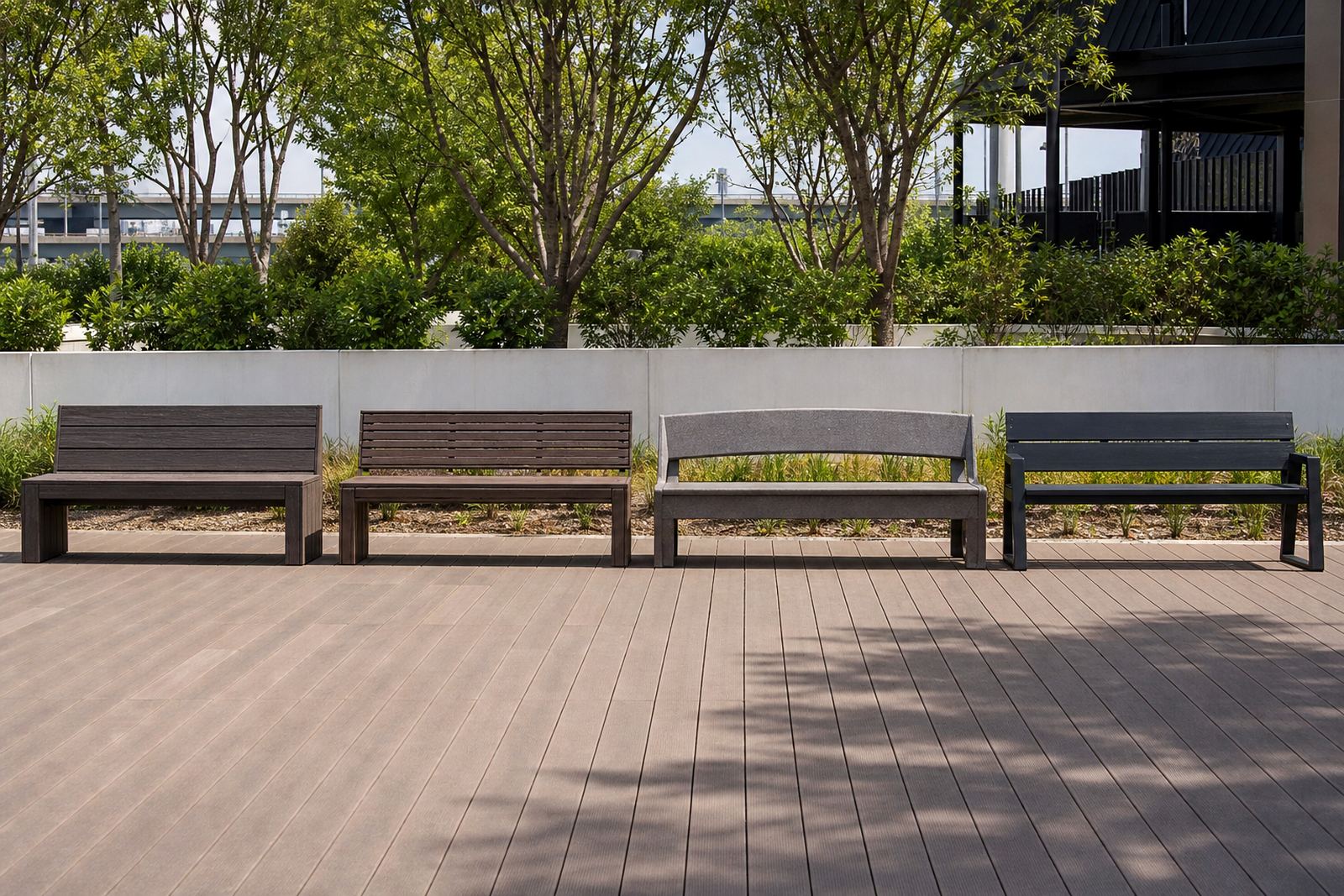
- Are they intended for walking only, or for benches and rest stops too?
- How will expansion and movement be allowed for in hot and cool weather?
- What kind of substructure is required to keep the boards level?
- Can damaged sections be replaced one by one if needed?
For many clients, the main benefit is low upkeep. You still need to wash off dust, sand and leaf build-up, but you avoid the more demanding sanding, sealing and painting that timber often needs.
Safety, Drainage and Underfoot Comfort
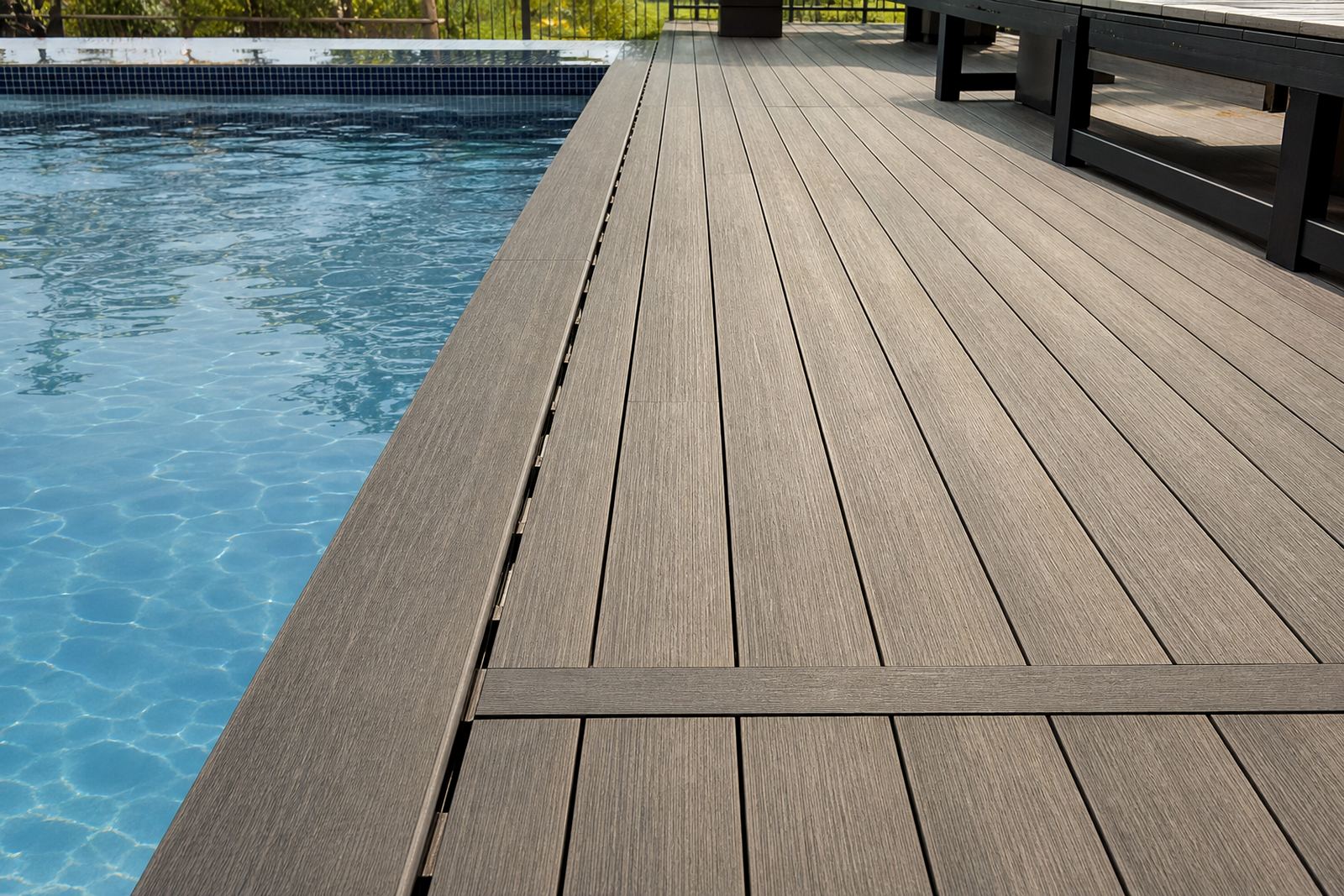
A boardwalk should feel steady underfoot and clear water quickly after rain. Ask how the layout will deal with drainage, especially on slopes, near downpipes or where a path crosses a lawn. If water pools between boards or at the edges, the route becomes harder to keep clean and more likely to grow algae. That is a nuisance in shaded areas and a slip risk too.
It is also worth asking how edges, corners and transitions will be finished. A neat edge reduces trip points and helps the route read clearly. On public or shared walkways, check whether the surface texture is suitable for wet feet, shoes and occasional wheel traffic. In places where municipal rules or estate guidelines apply, confirm the final layout before installation starts, not after.
- Will the walkway be level with adjoining paving or raised above it?
- How will runoff move away from the route after heavy rain?
- Are any transitions needed for ramps, steps or landings?
- Will the surface remain easy to sweep and hose down?
What to Confirm Before You Place an Order
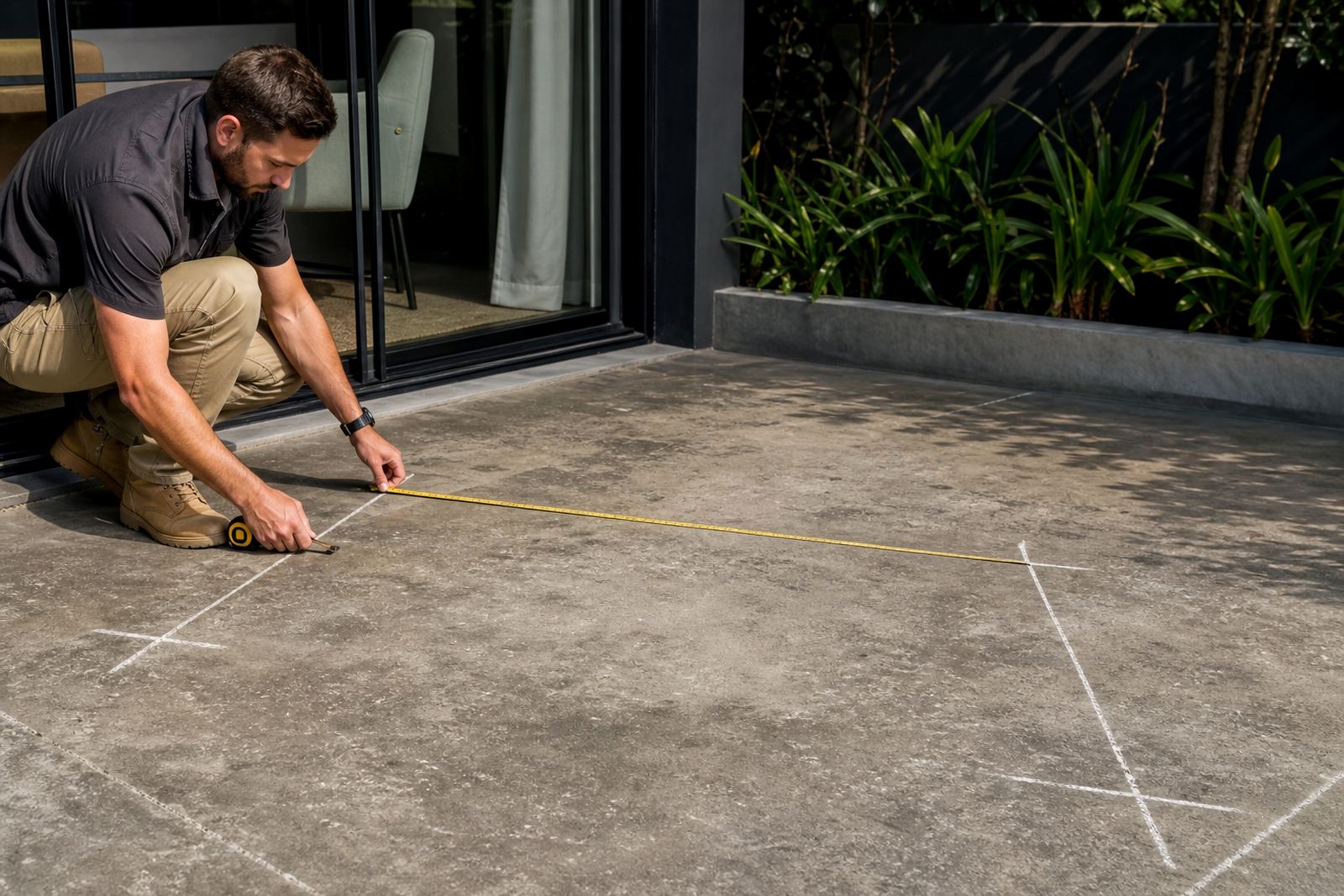
Good quoting starts with a proper site measure. That lets the supplier plan quantities, fixings, edge details and delivery access, rather than guessing from a sketch. For projects in Paarden Eiland, Bellville, Stellenbosch, Somerset West, Paarl or farther afield, ask whether the measure includes a check of slopes, corners and access for delivery.
It helps to ask what is included in the quote and what is not. Does it cover layout planning, material supply, delivery coordination and installation, or only the product supply? If benches are part of the route, check whether they are fixed separately and whether the seating height and placement suit the flow of people. Small detail, but it makes a difference.
- Is the full route measured on site before material is ordered?
- Are delivery and offloading arrangements confirmed for your area?
- Will the installer handle edge finishing and tidy transitions?
- Is there a plan for component replacement if a section is damaged later?
Installation Details That Save Trouble Later
The best material can still give trouble if the support spacing or fixing method is wrong. Ask how the substructure will be prepared, how fasteners are chosen, and how movement gaps are allowed for. A boardwalk that runs along a wall, around a garden bed or past a boundary often needs careful trimming and alignment so the final result looks straight and sits properly.
In coastal parts of South Africa, corrosion resistance matters for the fixing system as much as the surface itself. In very dusty or windy places, maintenance access matters too. You want a walkway that can be cleaned and checked without major disruption, not one that becomes a monthly repair job. A good installation team should also explain where the boards end, how the joints are staggered, and how the finish will cope with daily use.
Care, Refurbishment and Trade Support After Hand-Over
Once a boardwalk is in place, ask what regular care is needed and what signs of wear to watch for. Recycled plastic lumber decks and benches are generally chosen for easy upkeep, but they still benefit from routine cleaning and an occasional check on fixings, joints and supports. If the route serves a business, body corporate or hospitality site, set a simple inspection schedule from the start.
It is also wise to ask about refurbishment options. A section may need replacement after impact, a bench may need a new component, or an older surface may need edge finishing refreshed after years of use. For trade clients and property teams, practical after-sales support matters because it keeps the site presentable and safe without having to rebuild the entire run.
- How often should the surface be washed down in your area?
- What signs show that a board or fixing needs replacement?
- Can damaged sections be repaired without closing the whole walkway?
- Is advice available for seasonal care in hot or coastal conditions?