
Start With The Space And Who Will Use It
Before you order benches, look closely at where they will sit and how people will use them. A bench for a private garden in Somerset West needs a different setup from seating for a busy promenade, office courtyard or municipal area in Cape Town. Check how much space is available, where people walk, where shade falls, and whether the bench must suit children, older users, or high foot traffic.
Also think about the surface below. Concrete, paving, timber decks and compacted ground all need different fixing methods. In coastal areas like Durban or George, salt air and humidity can shorten the life of untreated materials, so the bench material and fittings matter just as much as the look.
Choose The Right Bench Format For The Job
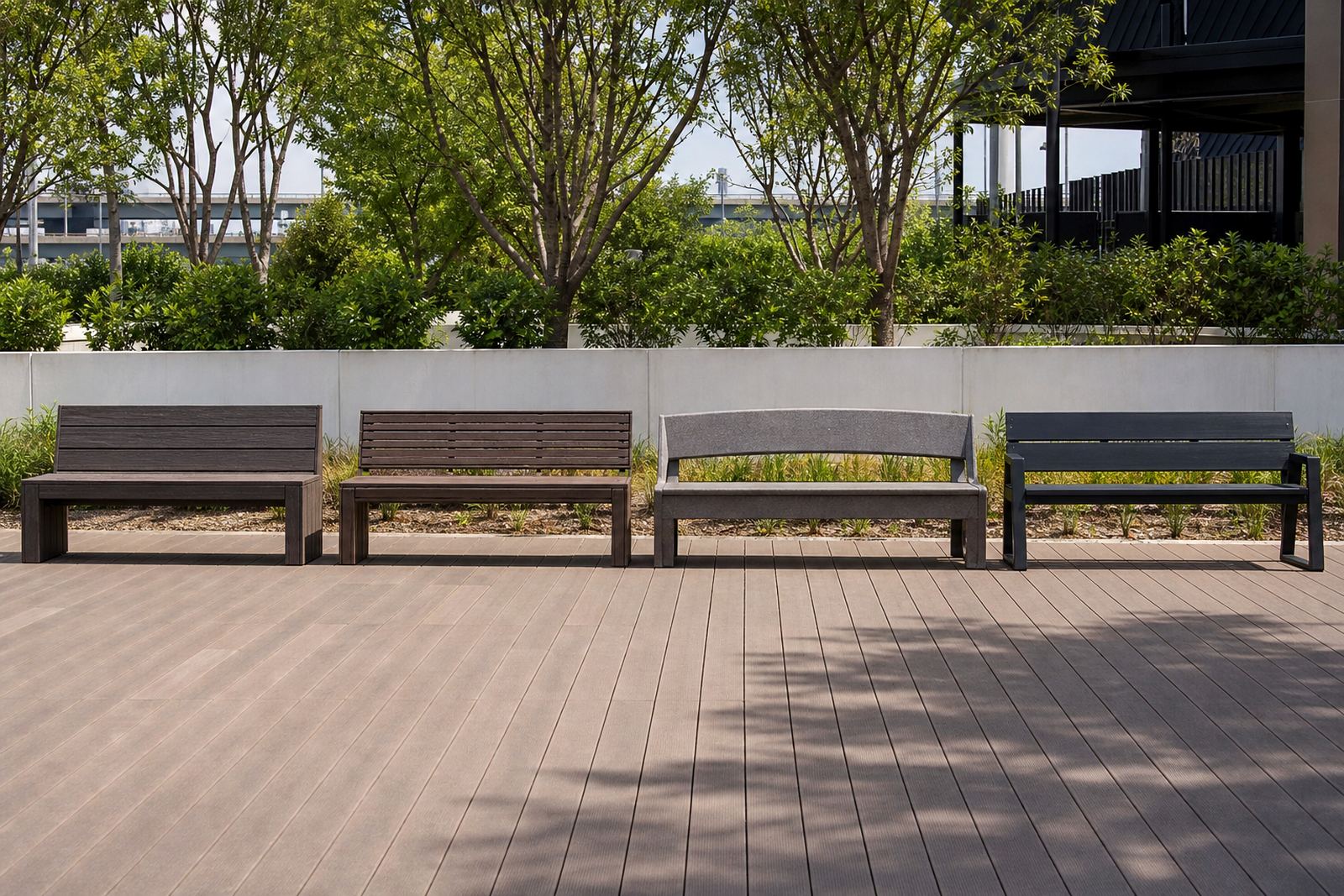
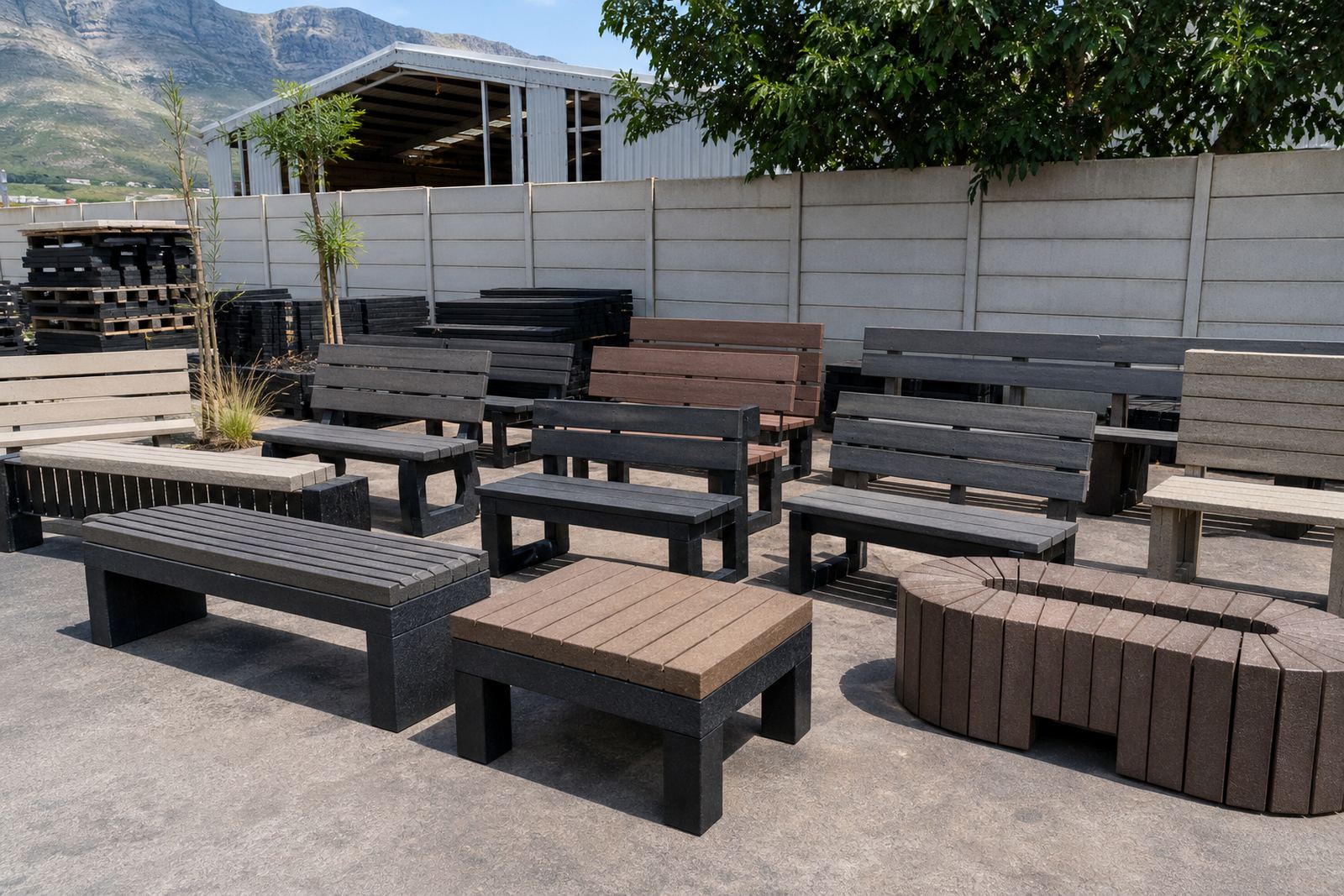
Recycled plastic lumber benches come in a few common formats, from simple backless seating to full benches with backs and arm rests. The best choice depends on comfort, the time people spend sitting, and how the space is used. Public spaces often need seating that is easy to clean and hard to damage, while private homes may want a warmer, more relaxed feel.
- Backless benches work well for short stays, walkways and informal seating.
- Benches with backs suit parks, lobbies, schools and reception areas.
- Arm rests can help older users and make standing up easier.
- Longer benches suit group seating, but need enough circulation space around them.
- Smaller bench sets can fit courtyards, balconies and narrow passages.
The right size should match the room or outdoor area without crowding it. Leave enough space for movement, cleaning and access routes.
Check Material Suitability For South African Conditions
Recycled plastic lumber is often chosen for benches because it handles weather better than many timber options and needs less day to day upkeep. It is commonly used where moisture, sun and regular cleaning are part of normal use. That said, the finish, profile and fixings still need to suit the site.
If the bench will be used near the coast, ask about corrosion resistant fittings and how the bench will be secured. In inland towns like Johannesburg or Paarl, strong sun and dry conditions can still affect comfort, so placement in shade may matter. For places with load-shedding, public areas that stay open after dark may also need seating positioned near lighting and foot traffic routes for safety.
Plan Fixing, Layout And Safety Before Installation
Bench placement affects safety, access and how long the seating lasts. A bench placed too close to a wall, gate or doorway can become awkward, while one set in the wrong direction may face wind, traffic or harsh afternoon sun. Think through how people arrive, where they pause, and whether service staff or caretakers need easy access for cleaning.
- Confirm the exact site dimensions before ordering.
- Allow space for wheelchairs, strollers and passing pedestrians.
- Check whether the bench must be bolted down or left movable.
- Look for level ground or plan for levelling work first.
- Make sure the layout does not block exits, access ramps or municipal walkways.
For schools, clinics and public facilities, practical placement matters as much as appearance. A clean layout helps reduce damage and makes the area easier to manage.
Compare Maintenance Needs Before You Commit
One of the main reasons people choose recycled plastic lumber benches is the reduced maintenance compared with many timber benches. Even so, no bench is completely maintenance free. You still need to think about regular cleaning, surface wear, edge condition and fixing checks, especially in busy commercial or public settings.
Ask how the bench should be cleaned, whether pressure washing is suitable, and what to avoid. In places with airborne sand, sea spray or heavy dust, cleaning frequency may be higher. If the bench forms part of a larger outdoor area, it helps to choose a material that looks tidy with normal use and does not need constant sanding, staining or painting.
Use A Simple Ordering Checklist
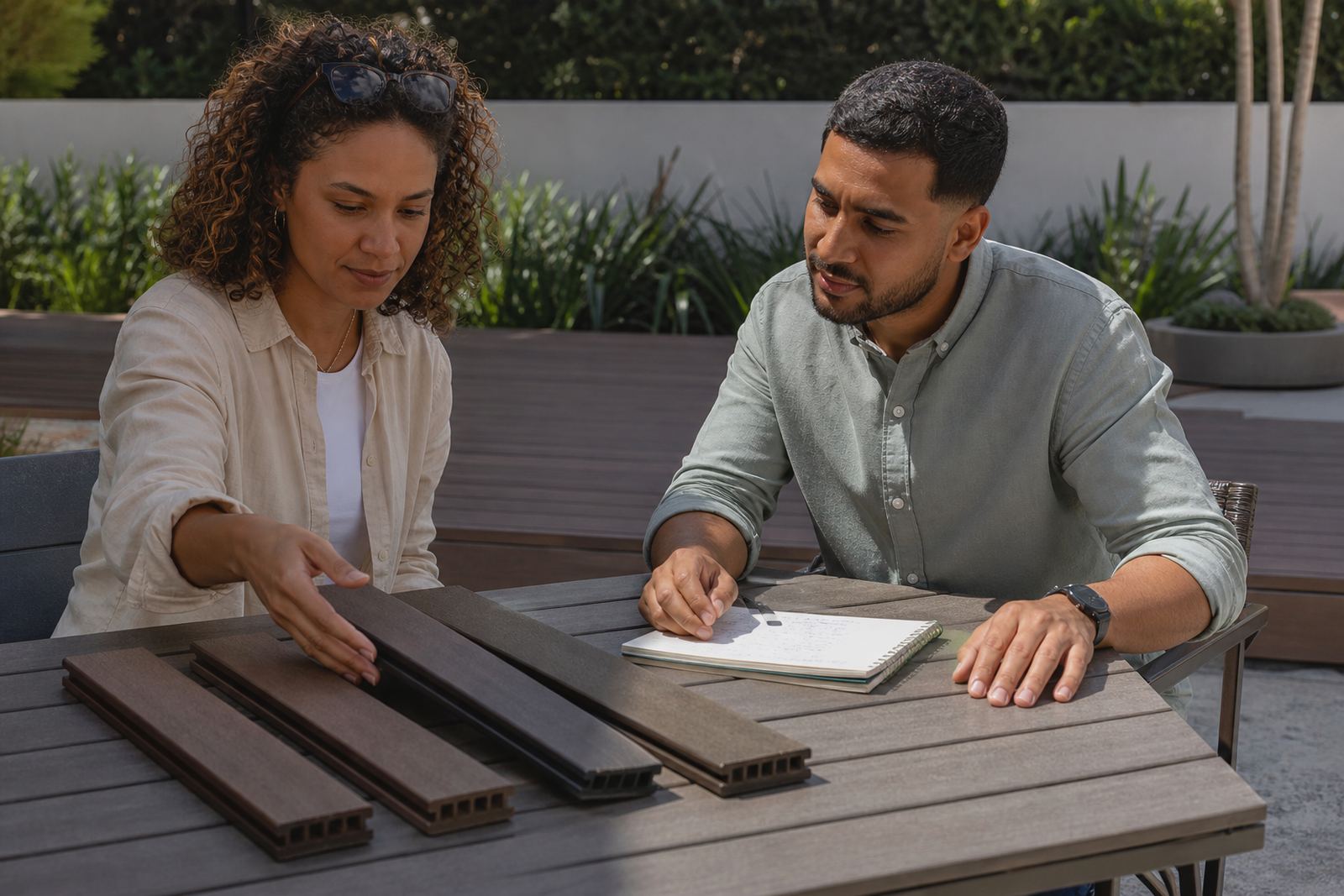
Once you know what the space needs, gather the basic details before asking for a quote or placing an order. Clear information helps avoid delays and makes it easier to compare options for public or private use. If you are fitting out several sites across Cape Town, Stellenbosch, Bellville or Johannesburg, keep the same checklist for each location.
- Site address and area name
- Bench length, style and seat height preference
- Whether backs, arm rests or fixing are needed
- Surface type and any slope or uneven ground
- Delivery access, stairs, gates or tight corners
- Any refurbishment or replacement work needed on existing seating
- Expected use level, from light private use to busy public traffic
If you need help with site measures, layout planning, material quoting, delivery coordination or installation, keep those details ready when you send your enquiry through the contact page. That saves time and helps the project run properly from the start.
What To Expect After Delivery
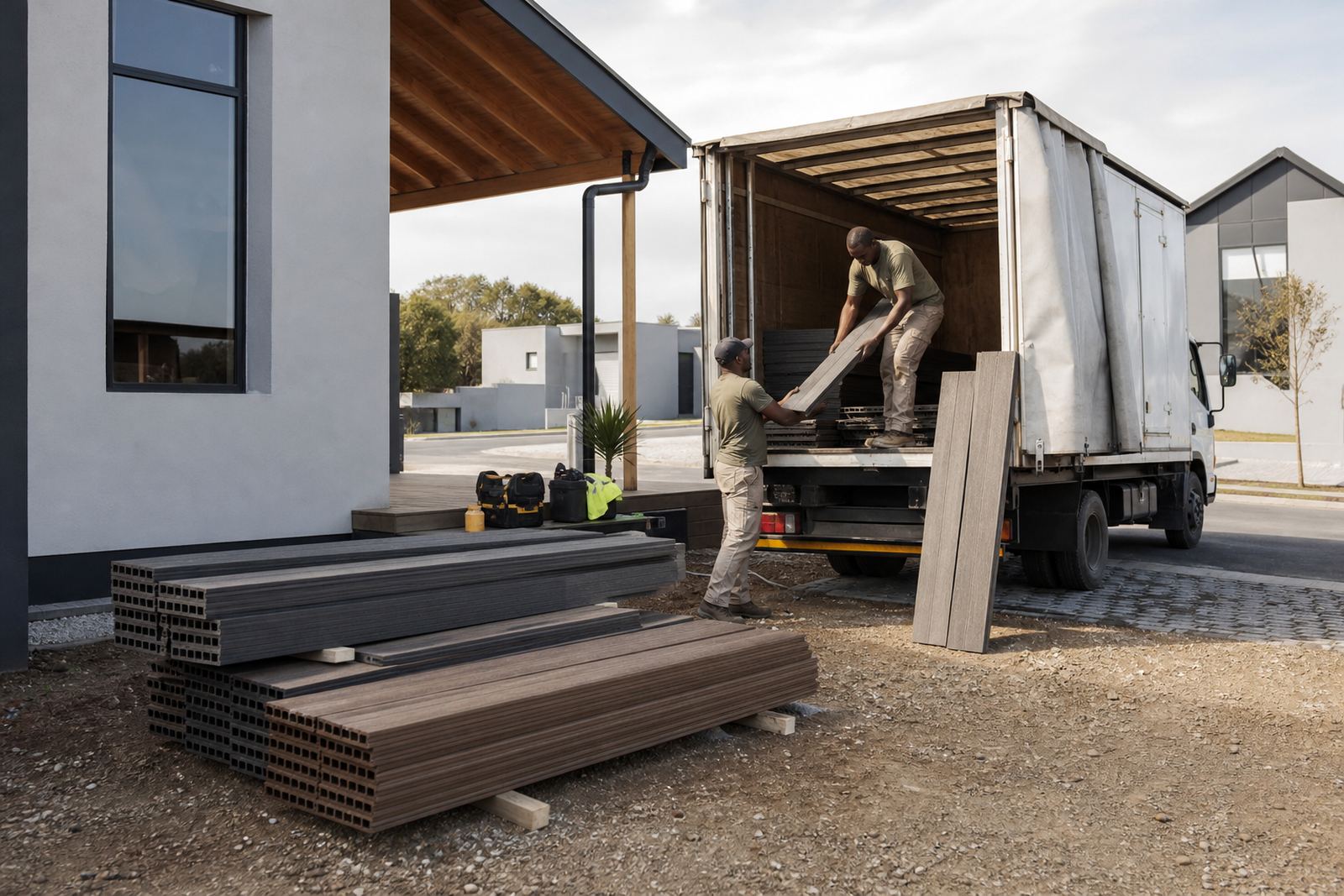
After the benches arrive, inspect the items before installation. Check that the quantity matches the order, fittings are present, and the pieces are undamaged from transit. If the bench is being installed on a deck or paved area, final positioning should be done carefully so the seating sits level and stable. Small errors here can lead to rocking, uneven wear or drainage problems later.
For sites in Paarden Eiland, Cape Town and across South Africa, good aftercare is straightforward. A wipe down, periodic check of fixings and prompt replacement of worn components will help the benches stay usable for longer. That is especially useful for commercial and public spaces where downtime is inconvenient.