
What bench planks are made for
Bench planks are the seating boards used to build fixed or movable benches, picnic sets and shared seating rows. These recycled plastic lumber planks are chosen where a cleaner finish, better moisture resistance and lower day to day upkeep matter. In Cape Town, Durban and other coastal towns, they handle damp air and salt far better than untreated timber, while inland they hold up well through sun, dust and load shedding related maintenance gaps.
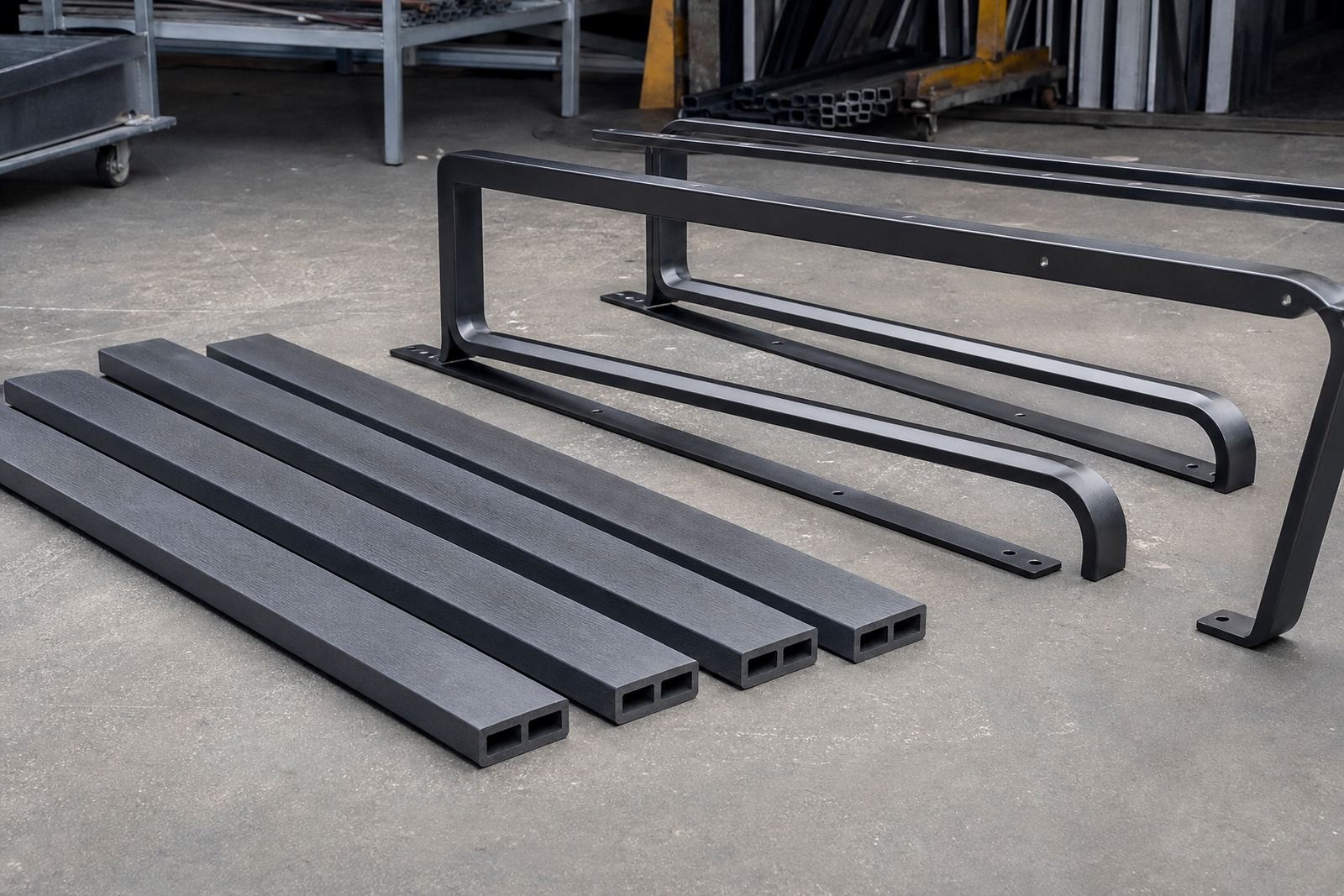
The material is suited to schools, churches, municipalities, estates, sports grounds and commercial courtyards. It gives a solid seat surface for repeated use and can be matched with steel, galvanised or concrete frames depending on the project.
Sizes, profiles and finish options
Bench planks are supplied in practical lengths and widths to suit standard bench layouts. Common options are straight planks for flat seating, with thicker profiles used where a heavier feel is needed. Corner ends, rounded edges and pre drilled fixing points can be arranged to suit the frame and the installer’s method.
- Widths suitable for single and multi plank bench seats
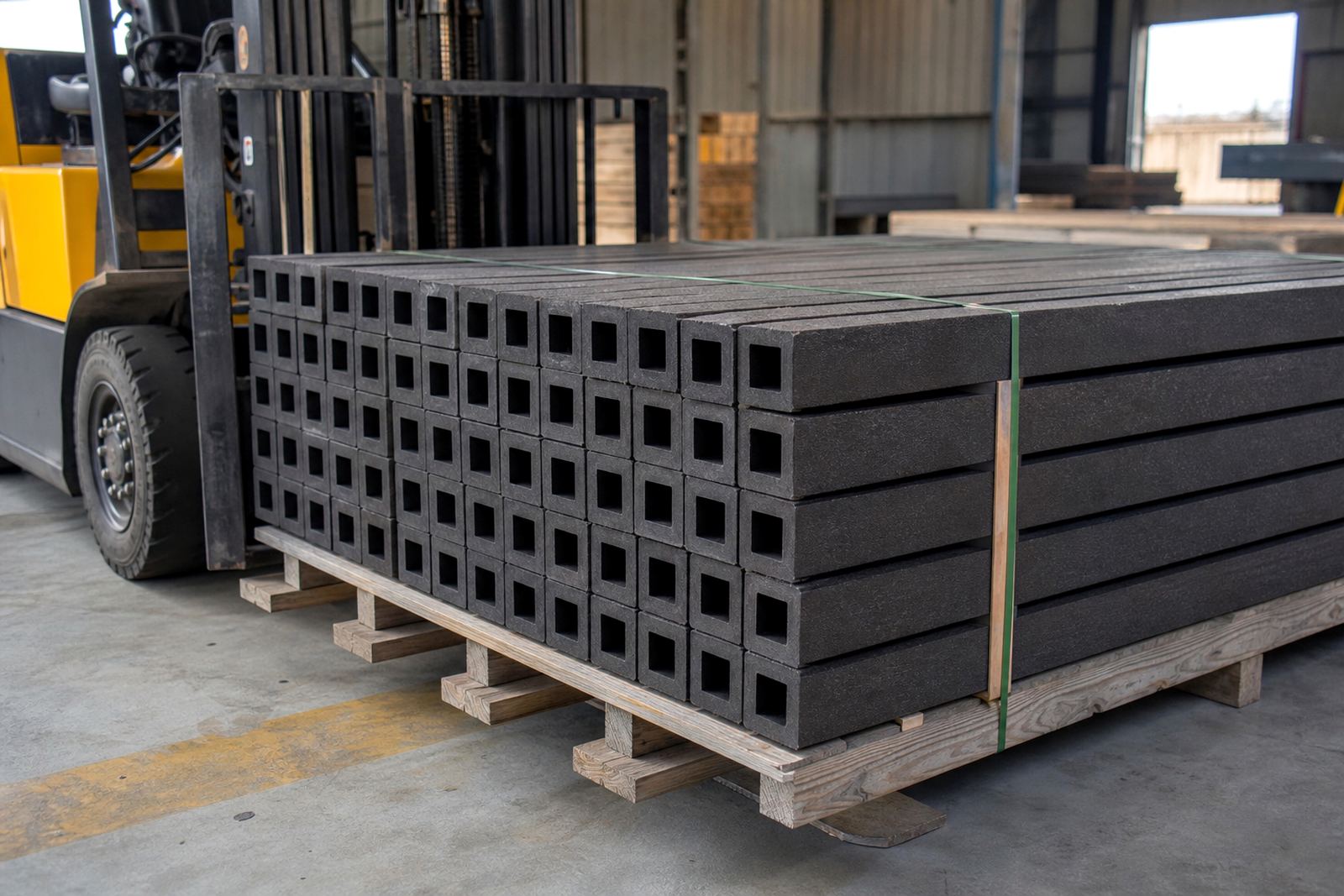
- Lengths cut to site requirements for transport and handling
- Plain finish or colour matched material depending on batch and use
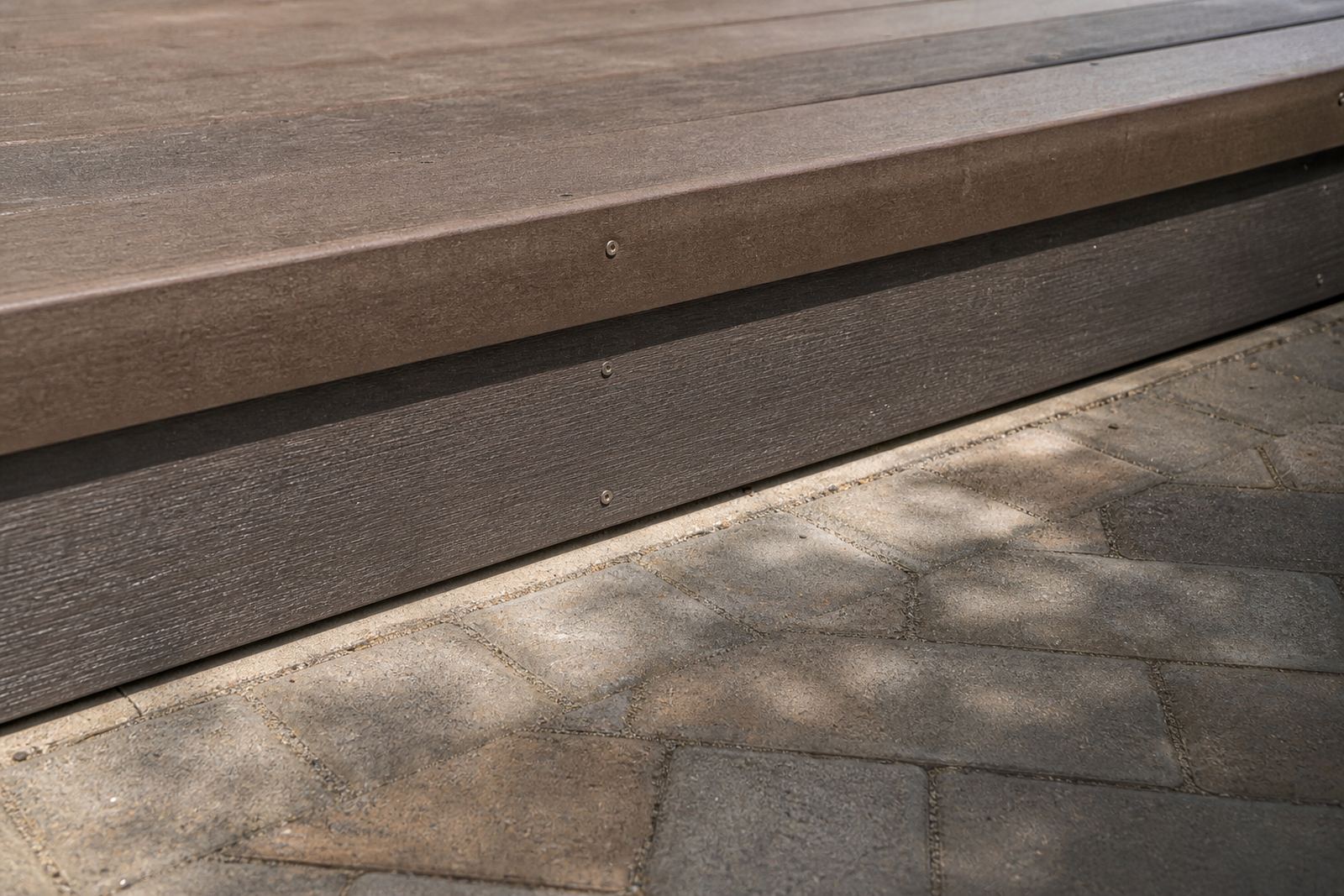
- Edge detailing for improved comfort and a cleaner final appearance
- Options for face fixing or concealed support layouts where appropriate
Because every site is different, it helps to confirm the frame spacing and overall bench length before ordering. That avoids on site trimming and keeps the installation neat, especially on long runs in schools or public waiting areas.
Where bench planks suit best
These planks suit places that need stable seating with minimal servicing. They are often used in shaded walkways, outdoor canteens, transport waiting zones, play areas, garden seating and school grounds. The wider board format gives a more comfortable seat area than narrow slats, and it is practical for high traffic use where people sit down with bags, notebooks or lunch trays.
For shared spaces, the material is a good fit because it does not need staining, sealing or regular sanding. It also resists insect damage, which makes it useful in areas where timber can fail early. In humid parts of KwaZulu-Natal and the Eastern Cape, that is often the main reason specifiers ask for recycled plastic lumber instead of wood.
- Parks and civic seating
- Schools and college courtyards
- Church yards and community halls
- Factories, depots and staff rest areas
- Residential estates and body corporate common areas
Installation and site requirements
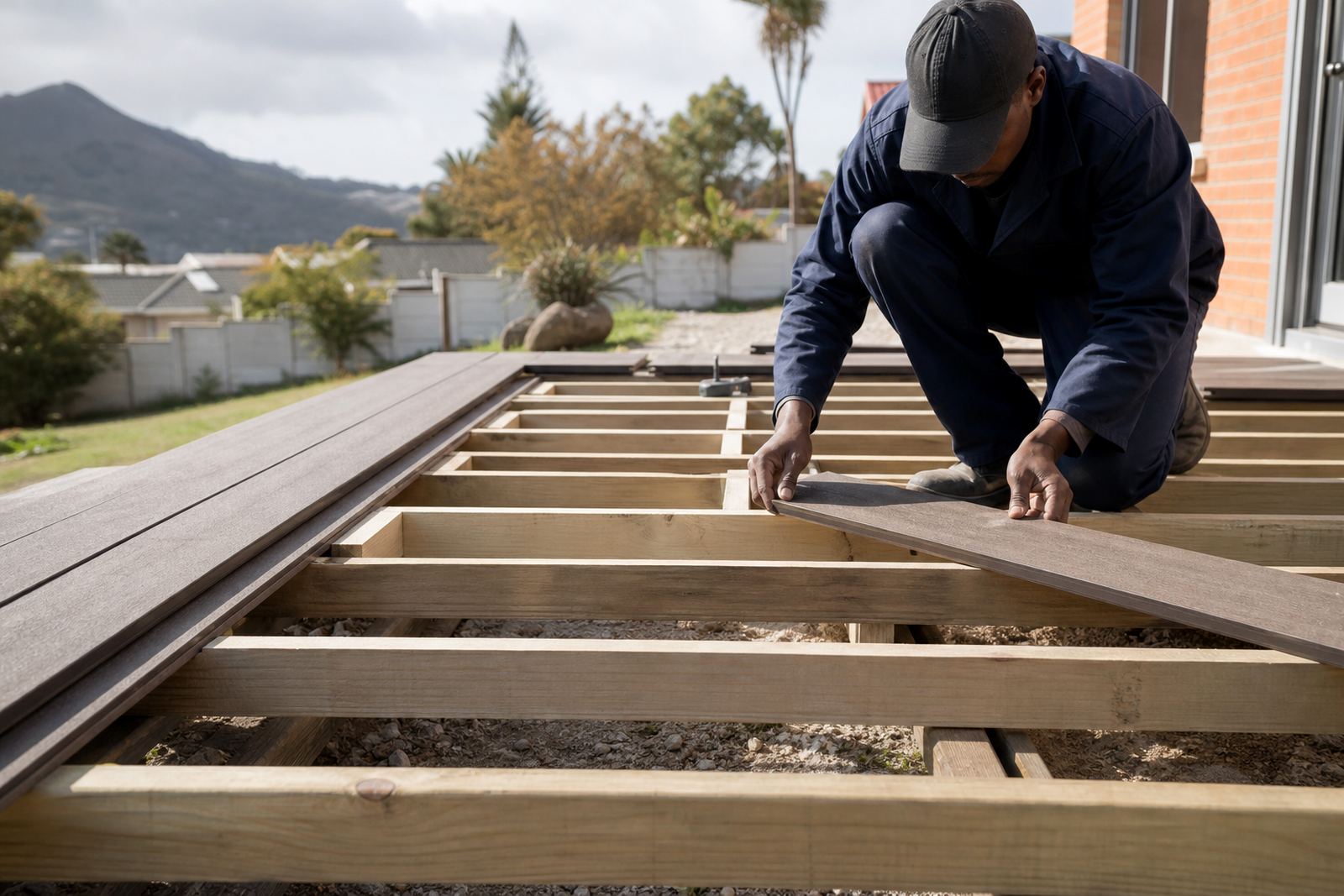
Bench plank installation is straightforward when the frame is measured properly and the fixing points are laid out before drilling. The planks can be installed on steel or other suitable substructures using standard fasteners selected for the application. For outdoor projects, fixings should be corrosion resistant, particularly in coastal areas where sea air can shorten the life of mild steel components.
No gas or electrical supply is needed for the product itself. If the site is being built with lighting, charging points or nearby power tools, that is handled separately by the relevant contractor. Our team can assist with site measures, layout planning and delivery coordination so the planks arrive ready for the bench build, not loose and guesswork heavy.
- Confirm the frame spacing before cutting or drilling
- Allow for drainage and movement on outdoor installations
- Use suitable hardware for coastal or high humidity sites
- Check municipal or site access rules for delivery and installation times
Care, servicing and replacement parts
Routine care is simple. A wash with water and a mild cleaner is usually enough to remove dust, bird droppings and general grime. In busy public spaces, the surface can be cleaned without special sealing products or repainting. That saves time over the life of the bench, especially where maintenance teams already have a full schedule.
If a plank is damaged by impact or a fixing point wears over time, component replacement can be handled without replacing the whole bench in many cases. Bench refurbishment is useful for schools and municipalities that want to extend the life of existing seating. A small amount of service work now and then keeps the seating safe and presentable, and it avoids full replacement too early.
What to confirm before you order
Before placing an order, it helps to check the bench length, number of planks per seat, support centres, fixing method and the environment where the bench will live. A shaded inland site and an open coastal promenade do not need the same approach. If the bench is for a school, ask how many users are expected at peak times so the spacing and seat depth can be set properly.
It is also worth confirming delivery access. Some sites in Cape Town, Stellenbosch, George, Johannesburg or Durban have loading bays, gates or time restrictions that affect offloading. Our trade support team can help with material quoting, delivery coordination and practical advice so the order matches the real site conditions, not just a drawing on paper.
- Bench length and seat depth
- Frame type and fixing method
- Exposure to sun, rain and coastal air
- Delivery access, offload method and timing
- Whether you need new benches or replacement planks only
Key facts
| Material | Recycled plastic lumber for outdoor bench seating |
|---|---|
| Use | Bench planks for parks, schools, estates and public areas |
| Typical application | Fixed and modular bench seating layouts |
| Maintenance | Low upkeep, no painting or sealing required |
| Service areas | Paarden Eiland, Cape Town and deliveries across South Africa |
| Support available | Site measures, layout planning, delivery coordination and installation |