
What Fascia Boards Do on a Deck
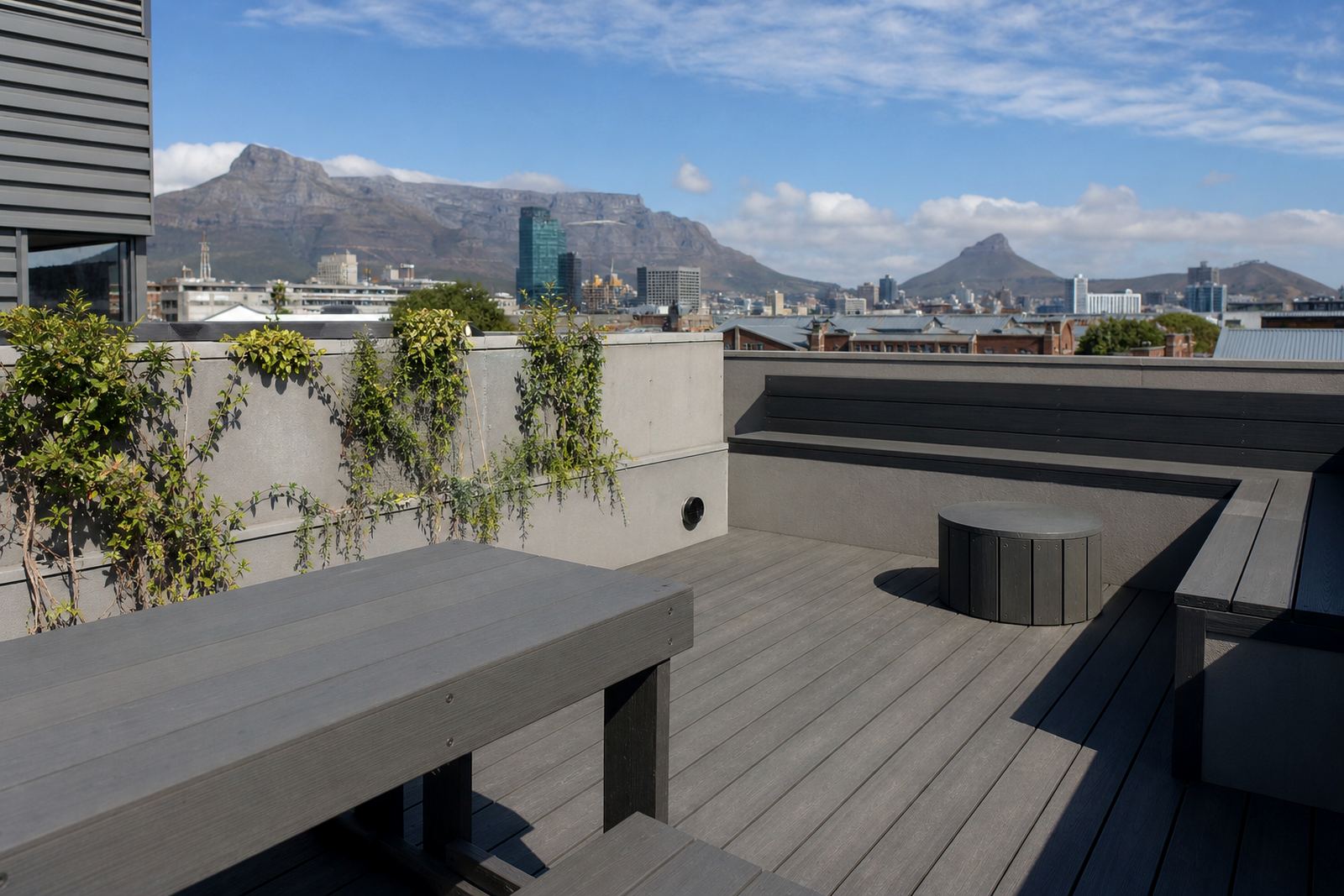
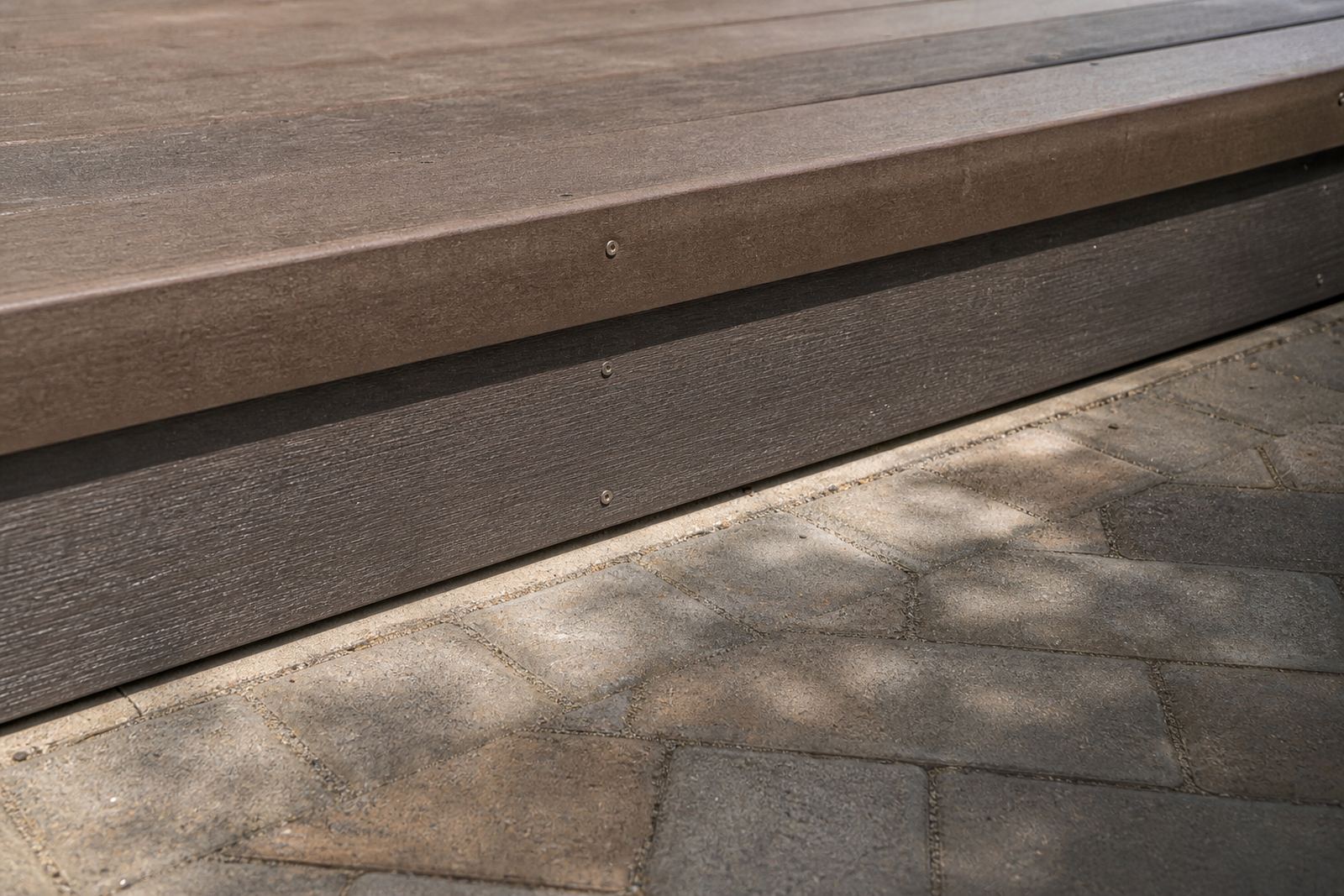
Fascia boards are the visible trim fitted to the outer face of a deck, usually where the frame or joists would otherwise be seen. They hide the raw side of the structure and give the deck a more complete appearance, especially on raised decks, steps and wraparound platforms. In coastal places like Cape Town, George and Durban, that finished edge also helps reduce the amount of exposed material taking direct sun, mist and salt air.
On recycled plastic lumber decks, fascia boards are commonly used with matching decking, corner trims and edge details so the whole installation reads as one clean line. They are not load bearing, so their role is appearance and protection rather than structural support. That said, a good fascia makes a big difference to the final result and can help a new deck look finished from day one, not after years of patching.
Sizes, Profiles and Finish Options
Fascia boards can be supplied in practical lengths and thicknesses suited to the deck build on site. The exact profile depends on the edge detail, the height of the deck and the fixing method chosen during planning. For most residential and trade projects, boards are cut to suit standard perimeter runs, stair sides and boxed ends, with offcuts kept for small return pieces or repairs.
- Straight fascia for long deck runs and perimeter edges
- Trim boards for stair stringers, planter edges and platform faces
- Corner pieces where two visible edges meet
- Colour-matched options to suit the main decking boards
- Surface textures that read like timber, with the lower upkeep of plastic lumber
Because recycled plastic lumber behaves differently from timber, it is important to allow for movement, fixing spacing and expansion gaps. On hotter inland sites such as Johannesburg or Paarl, this matters even more. Boards should be measured and cut for the actual site conditions, not just the plan on paper.
Where Fascia Boards Suit Best
These boards suit almost any deck where the edge is visible or needs a neater close-off. They are a practical choice for homes, guest units, restaurants, schools, braai areas, pool surrounds and municipal spaces. In residential work, fascia boards are often added to hide joists under raised decks, cover side returns at steps and give planter seating a proper front face. In commercial settings, they help with presentation and make cleaning around the edge easier.
They also work well in areas where timber tends to struggle with moisture. Along the coast, timber fascia can swell, stain or crack more quickly, while recycled plastic lumber handles damp conditions better and does not require painting or sealing. It is still important to keep drainage clear and not trap water behind the board. A neat fascia should finish the deck, not box it in completely.
- Raised verandas and patios
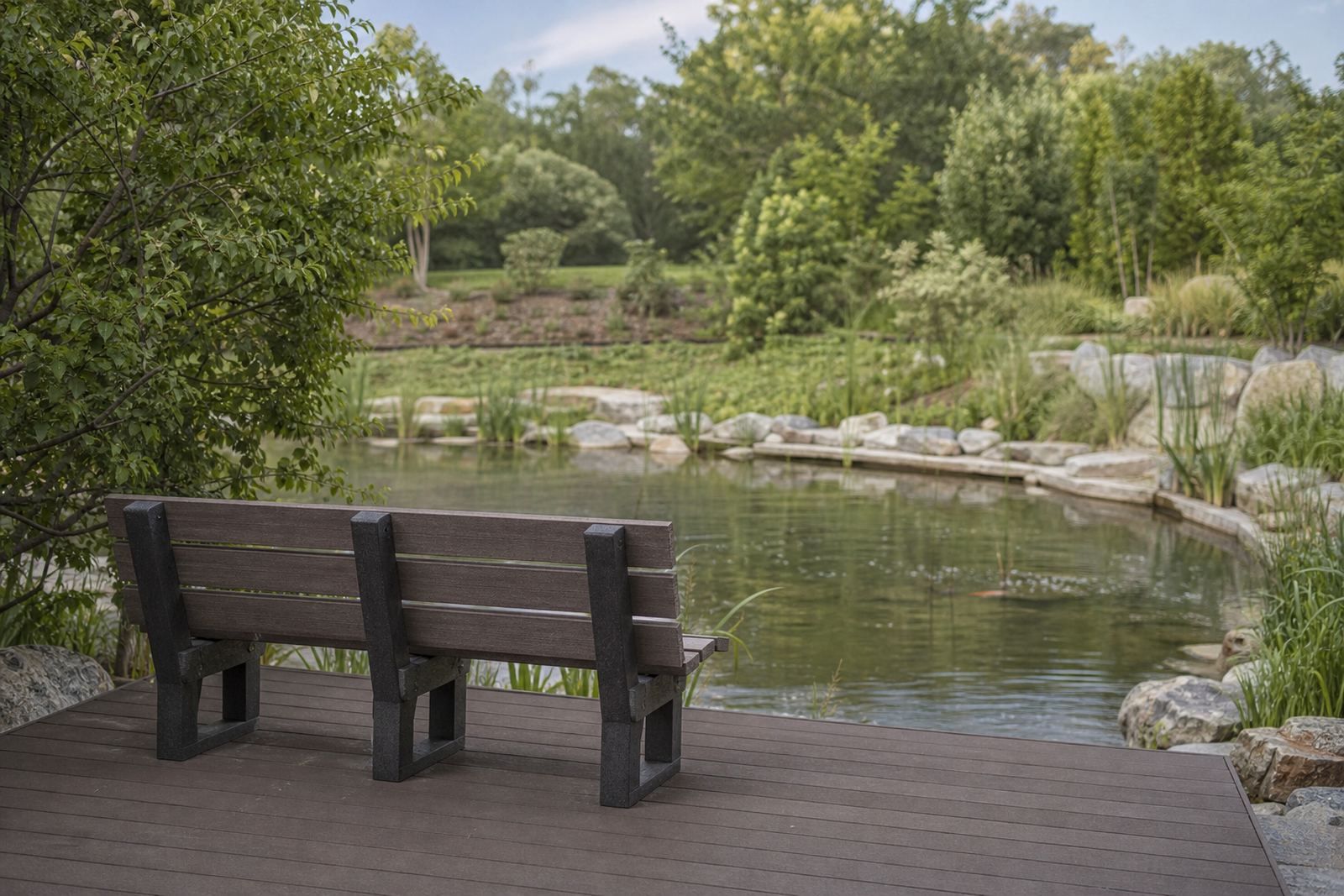
- Pool decks and outdoor entertaining spaces
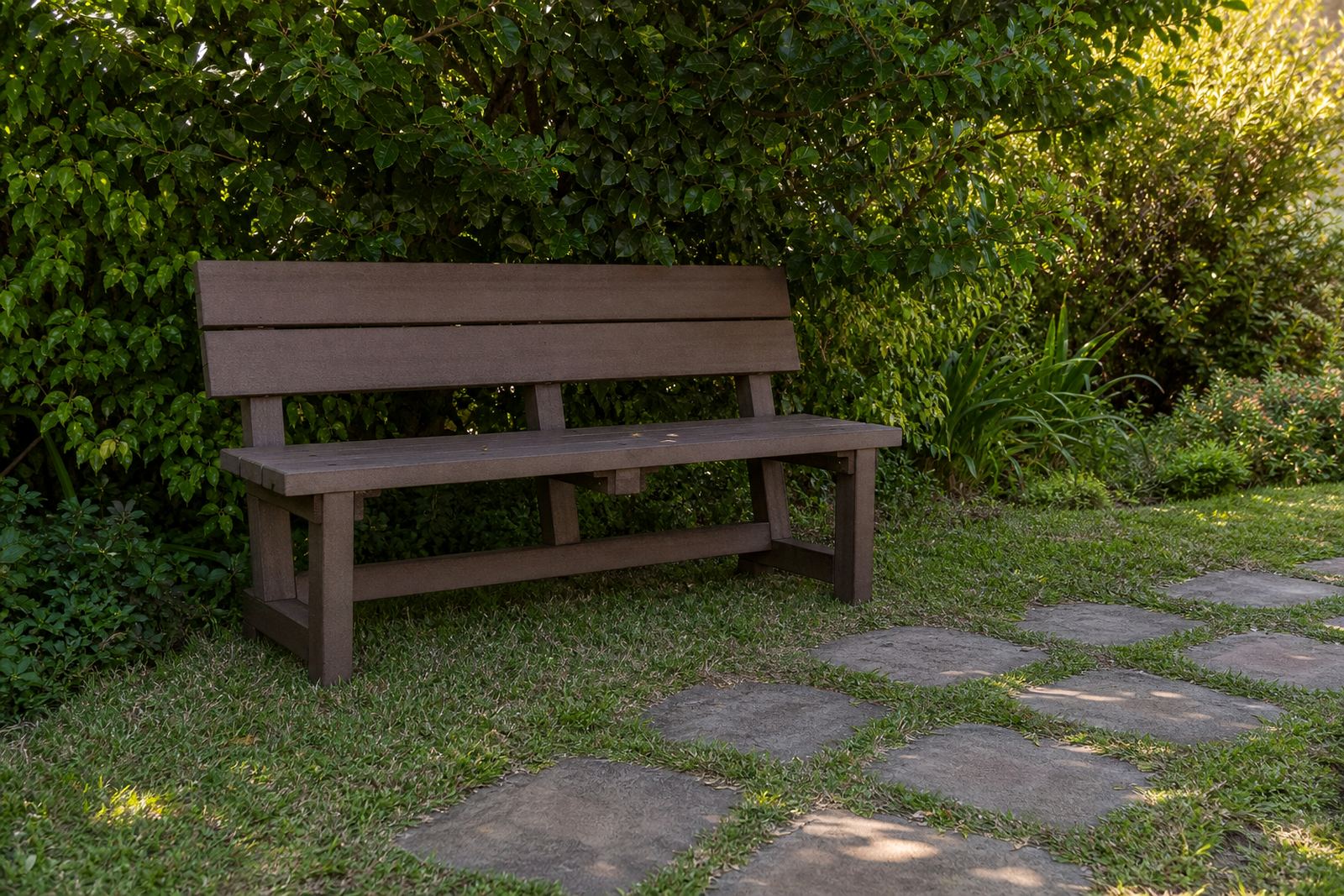
- Seating edges and bench fronts
- Hospitality terraces and walkways
- Schools, estates and public-use platforms
Installation Details and Power or Gas Needs
Fascia board installation normally forms part of the deck or bench build, or it can be added during refurbishment work. The boards are measured, cut, fixed and aligned after the main frame is in place. Depending on the site, installers may need saws, drills, countersink tools and fastening hardware suitable for the substrate. Because the material is a dense plastic lumber, clean cutting and proper support make a real difference to the final finish.
No gas supply is needed for fascia board fitting. Electrical power is usually required for cutting and fixing tools, so load-shedding planning may be needed on some sites, especially where work is being done indoors or on a tight commercial programme. If the area has no reliable power, the job can be scheduled around site access and available power windows. Jason Petersen and the installation team can help plan the sequence so the deck edge, trims and final finishing are done in the right order.
For larger jobs, site measures and layout planning are useful before installation starts. That helps avoid waste, awkward joins and visible mismatch at corners. It also makes it easier to confirm whether the fascia should sit flush, slightly proud or with a shadow gap, depending on the look the client wants.
Care, Cleaning and Refurbishment
Fascia boards made from recycled plastic lumber need very little day-to-day care. A wash with water and a mild cleaning agent is usually enough to remove dust, pollen, bird marks and general outdoor grime. In high-use areas, a soft brush or cloth can be used to clean along the length of the board. There is no need for sanding, varnishing or regular repainting as you would expect with timber.
For long-term upkeep, it is worth checking the fixings, corner returns and joins from time to time. If a board has been scuffed by moving furniture, garden equipment or a minor impact, replacement of the affected component may be possible without disturbing the whole deck face. On refurbishment projects, fascia boards can often be renewed together with damaged decking or bench parts, which keeps the surface looking consistent. In humid coastal conditions, that low-maintenance approach saves time and keeps the area looking tidy.
- Rinse off salt, dust and loose dirt regularly
- Check for loose fixings after heavy use or strong wind
- Keep water flow paths open at the deck edge
- Replace damaged sections early to avoid a patchy finish
What to Check Before You Order
Before ordering fascia boards, confirm the total edge length, the visible height of the side to be covered and the finish you want at corners, steps and returns. It helps to know whether the fascia must match existing decking, cover a new frame, or hide older structural work during refurbishment. If you are working on a site in Stellenbosch, Bellville or Somerset West, make sure access for delivery and on-site cutting has been allowed for. Tight access can affect how boards are moved and stored on the day.
It is also worth checking the following details before material quoting is finalised:
- Actual measurements on site, not only drawing dimensions
- Board colour and surface finish to suit the deck face
- Fixing method and whether the edge needs pre-drilling
- Corner details, returns and any stair interfaces
- Whether the fascia is for new work or replacement on an existing deck
Plastimber supports trade and private clients from Paarden Eiland, Cape Town, with delivery coordination across South Africa, including Cape Town, Stellenbosch, George, Johannesburg and Durban. For fascia boards, the best result usually comes from clear measurements and a proper plan at the start, rather than trying to make it fit once the structure is already up.
Key facts
| Material | Recycled plastic lumber |
|---|---|
| Use | Visible side finish for decks, steps and platform edges |
| Maintenance | Low maintenance, wash down as needed |
| Installation | Fixed to prepared deck framing or edge structure |
| Weather Suitability | Suitable for coastal humidity, sun and outdoor exposure |
| Service Areas | Cape Town, Stellenbosch, George, Johannesburg, Durban, Paarl, Somerset West, Bellville |