
What Rooftop Decking Is and Why It Works
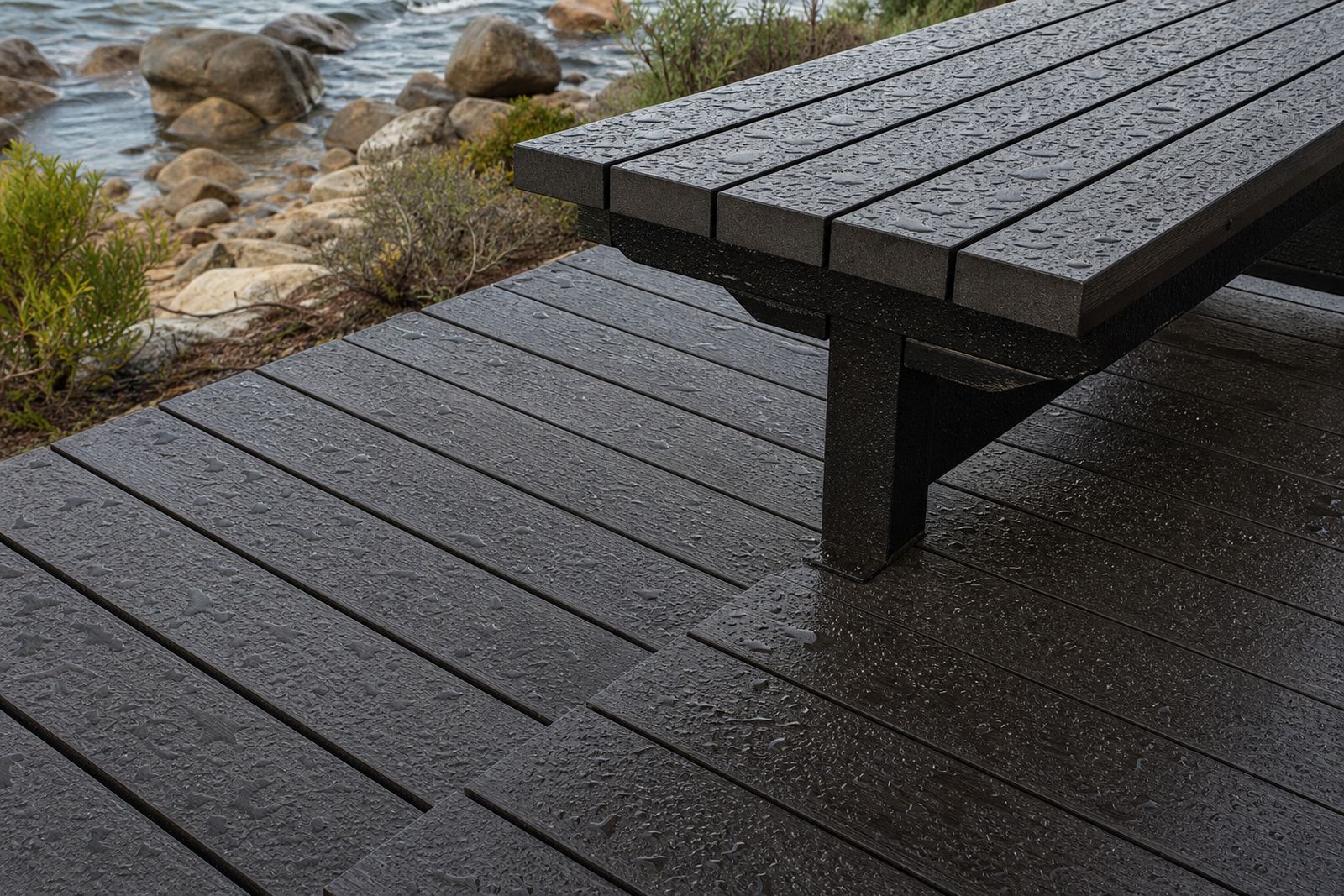
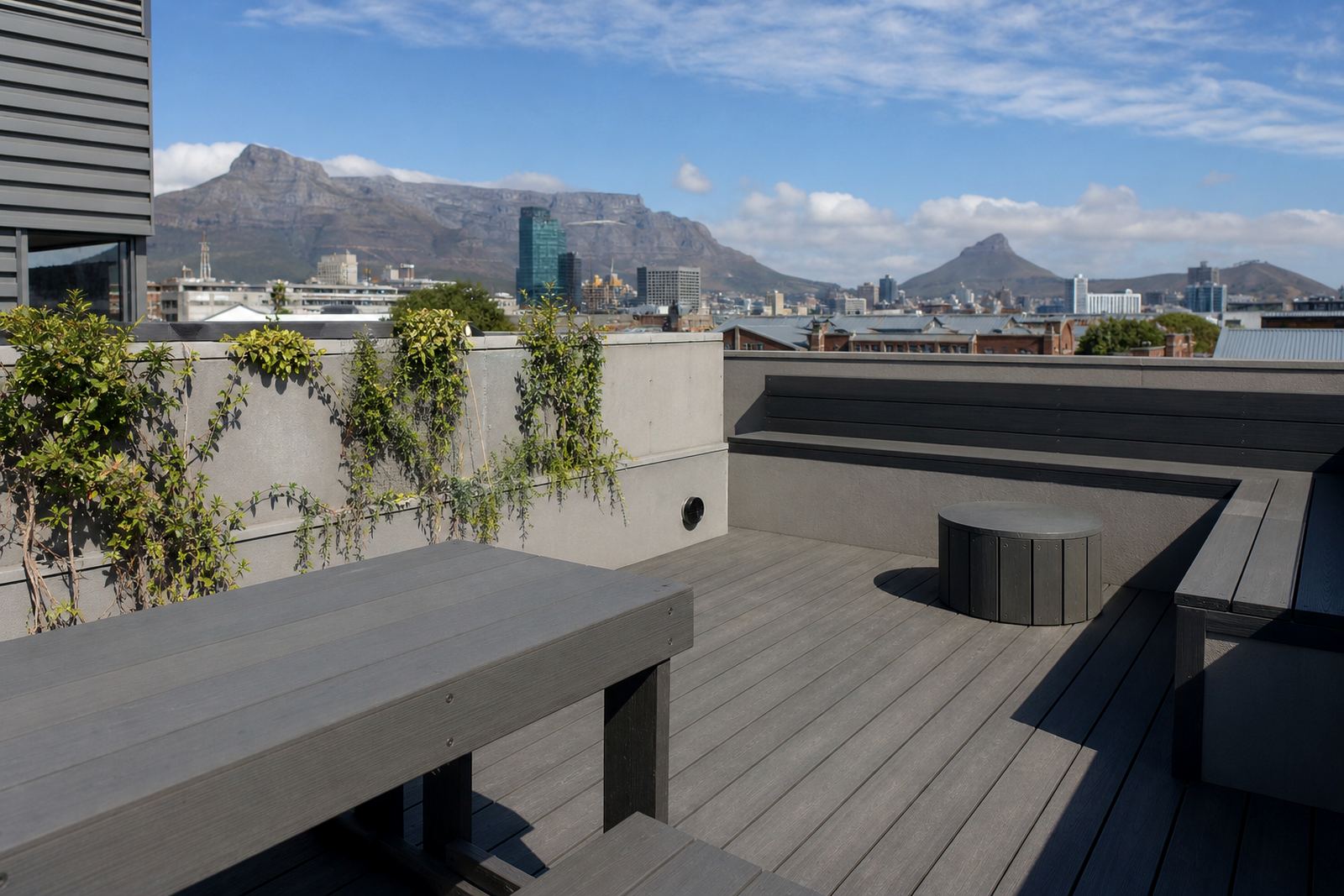
Rooftop decking is a finished walking surface laid over a structural roof, terrace or upper-level slab to create a more comfortable outdoor area. It is used on apartments, offices, hospitality spaces and private homes where the aim is to make the area practical, neat and easier to live with than bare concrete or timber. Recycled plastic lumber is a strong option for this work because it does not absorb moisture like wood, and it handles rain, salt air and regular foot traffic without the same level of upkeep.
For South African rooftops, the main concerns are movement, drainage and weather exposure. A well-planned deck should allow water to run off, leave space for cleaning underneath, and avoid trapping dirt or ponding water against the slab. In coastal areas such as Cape Town, Somerset West and George, the materials also need to cope with humidity and wind. Inland in Johannesburg and Pretoria, UV exposure and heat are more of a factor. Our boards are made for practical use on these mixed conditions, with a neat contemporary look that suits modern buildings.
- Suitable for walkways, lounge areas and viewing decks
- Helps turn unused roof space into a usable outdoor area
- Designed for low maintenance and steady day to day use
- Works well where moisture and salt air are a concern
Board Sizes, Profiles and Finish Options
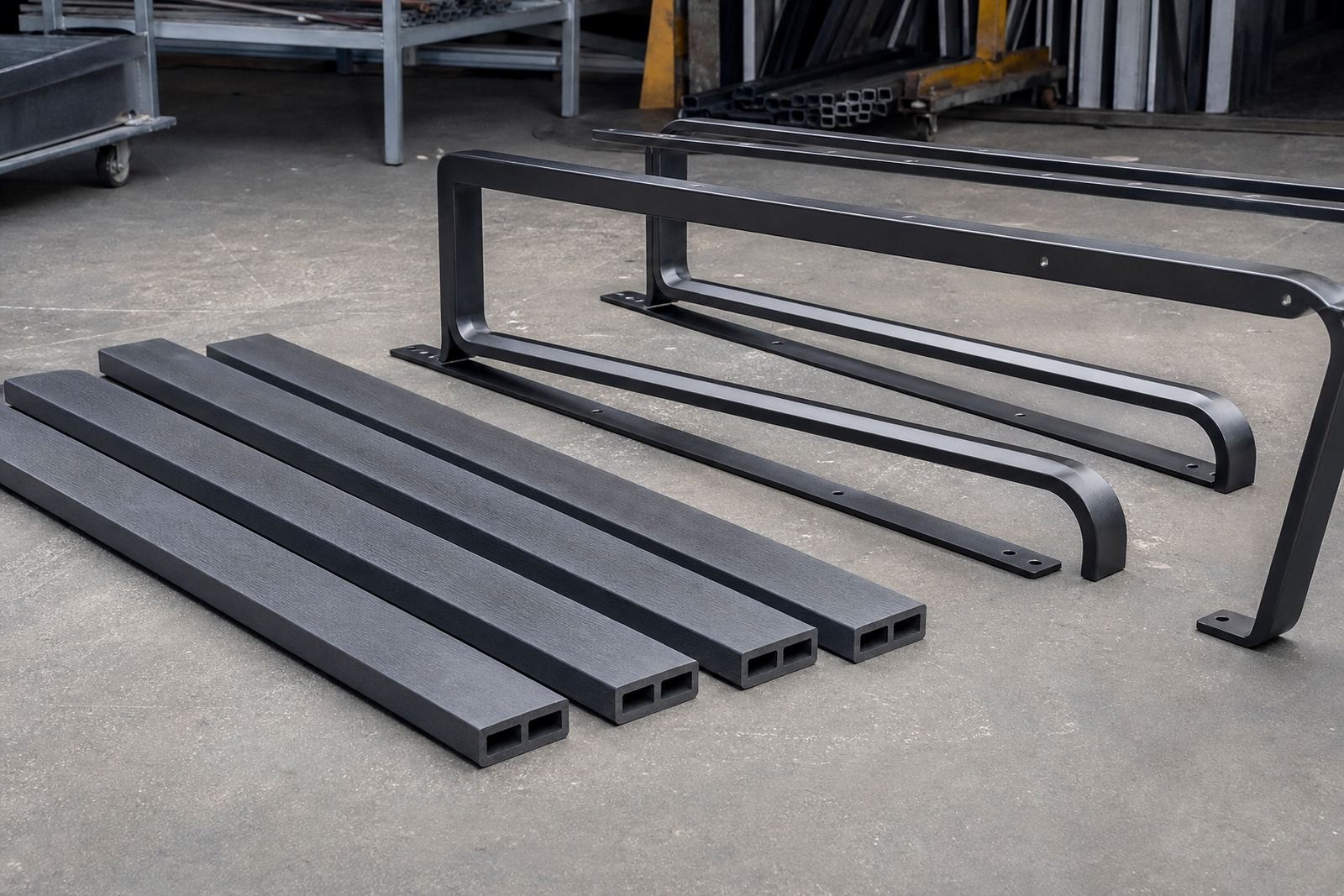
Rooftop decking is usually supplied in board lengths and widths that can be planned around the available roof space, access points and substructure. The exact configuration depends on the layout, but the aim is always to keep joints sensible, reduce waste and make the finished surface easy to walk on. Some projects need a wider board for a more open look, while others use a narrower profile to follow small roof sections or service routes. Finishing pieces can be added at edges, stairs and perimeter details so the result looks tidy from every angle.
Because every rooftop is different, the best option is chosen after site measures and layout planning. That is especially important where there are parapet walls, drainage outlets, plant rooms or lift overruns. We also look at how the decking will meet doors and thresholds, since rooftop access needs a smooth transition without creating a trip point. In coastal and high-sun locations, lighter colours can also help reduce heat underfoot. The surface can be selected for the appearance you want and the practical conditions on site.
- Board lengths and widths can be matched to the roof layout
- Profiles can be used for straight runs, corners and edge details
- Colour selection should be matched to heat, glare and the look of the building
- Perimeter trims and edge finishing help complete the installation cleanly
Where Rooftop Decking Suits Best
This product suits upper-level outdoor spaces that need to be both safe and inviting. It is a good fit for apartment roof terraces, penthouse patios, office breakout areas, hotel rooftops, restaurant seating zones and private viewing decks. It also works for homes in places like Paarl and Stellenbosch where outdoor living is important, but the surface needs to stay neat with less sanding, sealing or repainting than timber.
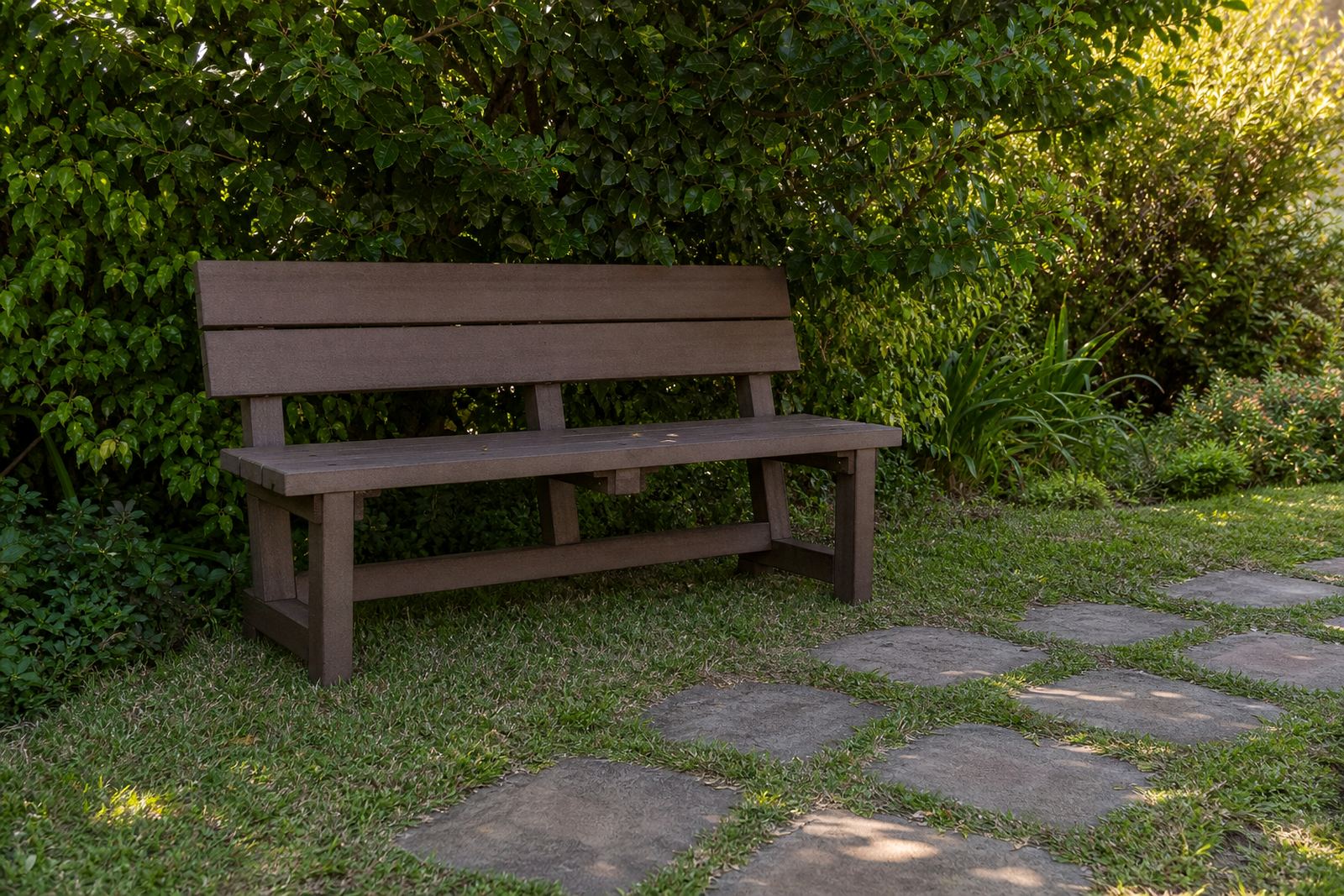
In commercial settings, rooftop decking should support regular use without becoming a maintenance burden for the owner or the facilities team. Recycled plastic lumber is often chosen for this reason. It can be washed down, it resists rot and it handles splashes from planters or cleaning more easily than traditional wood. It is also useful where the client wants a cleaner, more uniform finish for a building that sees regular visitors. For some rooftop layouts, benches are added at the same time to create seated areas along edges or around garden sections.
- Apartment rooftops and penthouse terraces
- Hospitality roofs, cafes and entertainment areas
- Office terraces and staff break spaces
- Private homes where roof access is being turned into a usable outdoor area
Installation, Access and Power Needs
Rooftop decking is installed as part of a planned sequence, starting with measurements, slope checks and material selection. The substructure is then set out so the finished deck stays level and drainage remains open. On rooftops, installation planning matters more than it does at ground level because access is tighter and the work often takes place around parapets, waterproofing details and existing services. Jason Petersen leads installation coordination, while the team plans delivery so materials arrive in the right order and can be moved safely to the roof.
For this type of work, no gas supply is normally needed. Power may be required for cutting, fixing and finishing equipment during installation, so access to site power is useful. If the building is affected by load-shedding, it is best to plan around the outage schedule because installers may need to pause between stages. Rooftop sites can also have limited lifting access, so the logistics plan should account for stairs, lifts, hoists or controlled loading areas. Clean access helps the job move faster and reduces the risk of damage to other finishes.
- Site measures and layout planning before materials are cut
- Delivery coordination for roof access, lifts or loading bays
- Power access helpful for installation tools
- No gas connection is normally required for decking installation
Care, Cleaning and Ongoing Servicing
One of the main advantages of recycled plastic lumber is that it is straightforward to care for. Routine cleaning with water and a mild detergent is usually enough to remove dust, foot marks and airborne dirt. In coastal towns such as Cape Town, Durban and George, salt residue can build up more quickly, so regular rinsing is sensible. Rooftop areas should also be checked after strong wind or heavy rain so debris does not block drainage points or collect along the perimeter.
If the deck is used for seating or regular public access, periodic checks are worth doing on fixings, edge pieces and any components around planters or steps. We offer refurbishment and component replacement where needed, and can advise on practical care routines that suit the building. Keeping the surface clear and cleaning up spillages early will help the deck keep its appearance for longer, and dry. If the rooftop includes benches, those can be inspected at the same time so the whole area stays ready for daily use.
- Wash with water and a mild cleaning product as needed
- Clear leaves, sand and debris after wind or rain
- Check edges, joints and fixings during routine building maintenance
- Use refurbishment or replacement services if components become worn
What to Check Before You Order
Before ordering rooftop decking, it helps to confirm the slab condition, access route, drainage points and final use of the space. A rooftop that will hold tables and chairs has different needs from one used mainly as a walkway. You should also check whether the area is exposed to strong wind, direct afternoon sun or coastal moisture, since these details affect the board choice and the layout. If the building has municipal or body corporate requirements, those should be reviewed before work starts so the project runs without delays.
It is also important to confirm any edge conditions, step heights and threshold levels near doors. Rooftop decks need to finish neatly against the building and leave safe clearance around services and drains. If the project includes benches or other features, plan them together so the layout feels balanced rather than added later. Anele Mkhize, Bianca Fourie and the rest of the team help with material quoting, trade support and practical planning from our Paarden Eiland base in Cape Town, with deliveries across Cape Town, Stellenbosch, George, Johannesburg and Durban. A clear brief at the start saves time and usually avoids unnecessary changes later.
- Confirm roof condition, drainage and access before ordering
- Check whether the deck is for walking, seating or both
- Review building rules, body corporate needs or municipal requirements where relevant
- List edge details, steps, thresholds and any benches on the same order
Key facts
| Product | Rooftop decking in recycled plastic lumber |
|---|---|
| Use | Outdoor surfaces on rooftops, terraces and upper-level spaces |
| Typical application | Residential, commercial and hospitality projects |
| Maintenance | Low maintenance, regular cleaning and periodic checks |
| Installation support | Site measures, layout planning, delivery coordination and fitting |
| Service area | Cape Town, Stellenbosch, George, Johannesburg, Durban, Paarl, Somerset West and Bellville |