
A practical bench for places of remembrance
Memorial benches are built for settings where the seat matters as much as the surroundings. They are commonly used in private gardens, church grounds, cemeteries, memorial gardens, retirement villages and public outdoor spaces where people pause for a moment of reflection.
Using recycled plastic lumber instead of timber helps reduce upkeep over time. The material does not need regular painting or staining, and it handles rain, sun and damp soil better than many softwood options. In coastal areas such as Cape Town, George and Durban, that matters because humidity and salt air can shorten the life of ordinary outdoor seating.
These benches are made for steady daily use, not showroom treatment. They suit families, municipalities, landscapers and property managers who need outdoor seating that stays presentable with minimal fuss.
Bench sizes and style options that suit the space
Memorial benches can be supplied in a few practical formats, depending on where the seat will sit and how many people will use it at once. Common choices are compact two-seaters, standard three-seaters and longer benches for shared remembrance areas or public gardens.
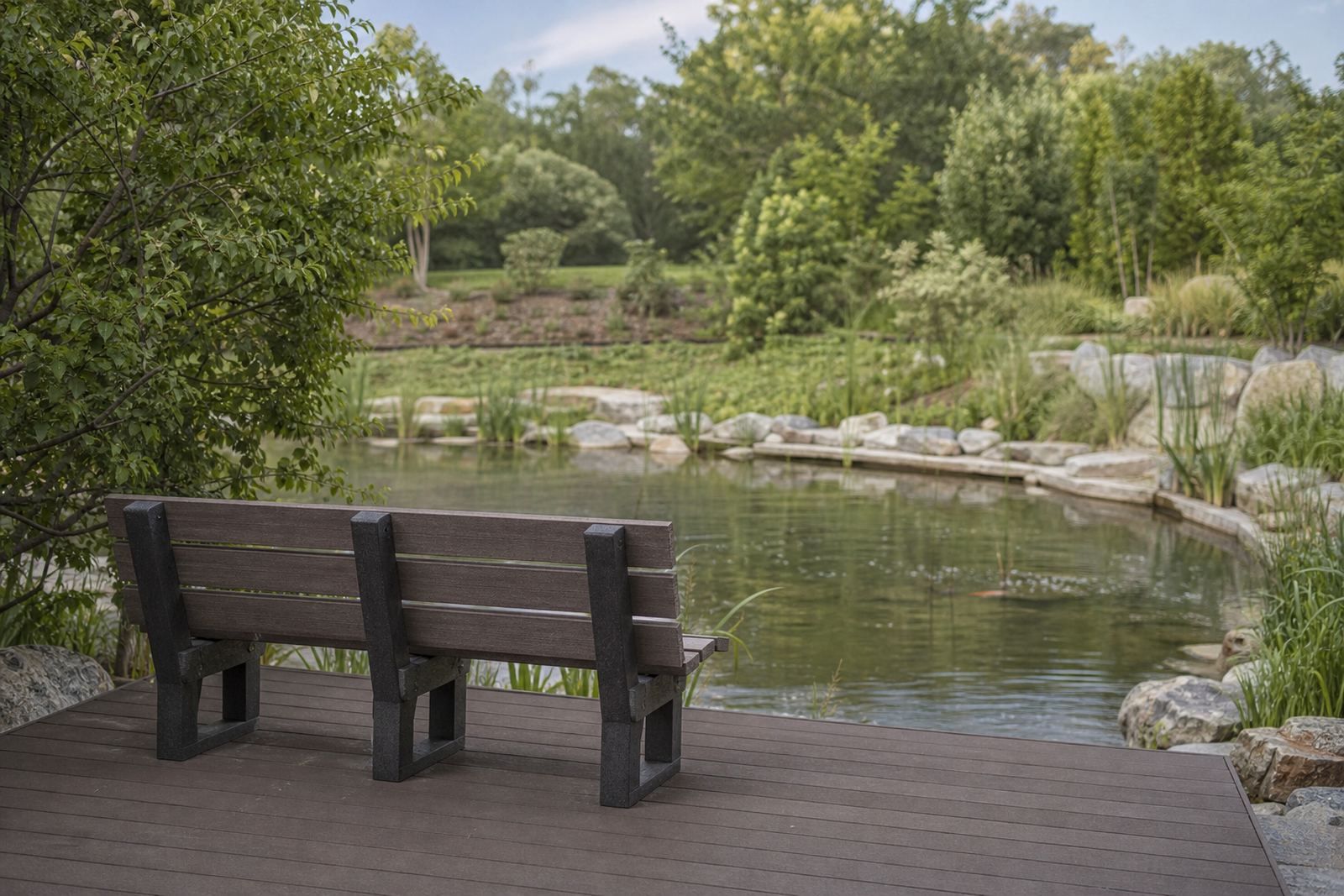
- Backed benches for comfort during longer visits
- Backless benches for low-profile seating along paths or walls
- Slatted or solid-look styles to suit formal and natural garden settings
- Freestanding or fixed-down installation depending on site use
- Different colour blends to match stone, paving or planting schemes
Lengths, seat height and overall footprint should be matched to the site. A small home garden in Stellenbosch will usually need a different layout from a public memorial space in Johannesburg or a school garden in Somerset West. Getting the proportions right helps the bench feel settled in the space rather than added later as an after thought.
Where memorial benches work best outdoors
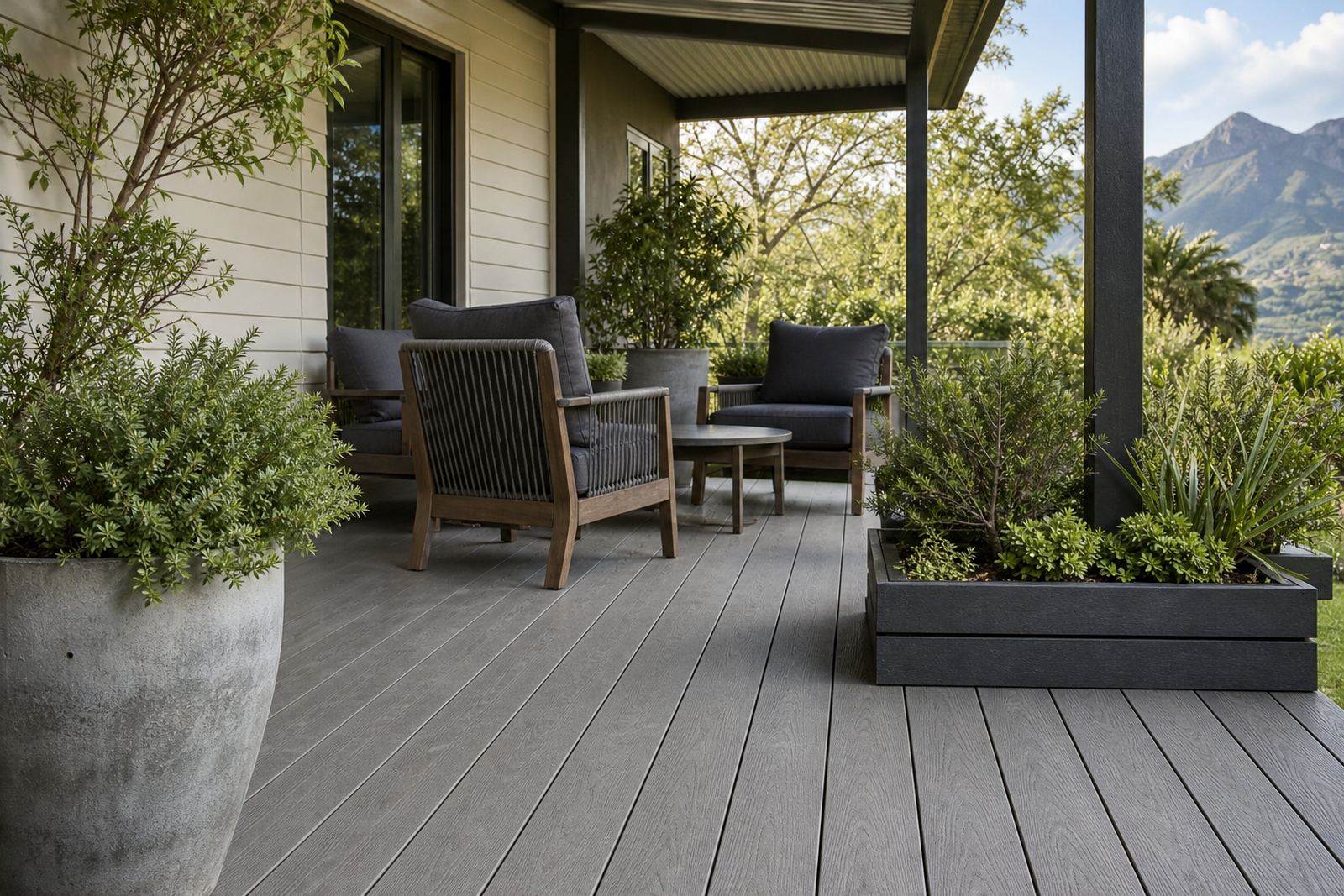
These benches are suitable for reflective spaces where people may stay for a few minutes or longer. They are often placed under trees, beside pathways, near remembrance plaques, in landscaped courtyards and at lookout points. They also work well in facilities where residents or visitors need comfortable seating with little maintenance.
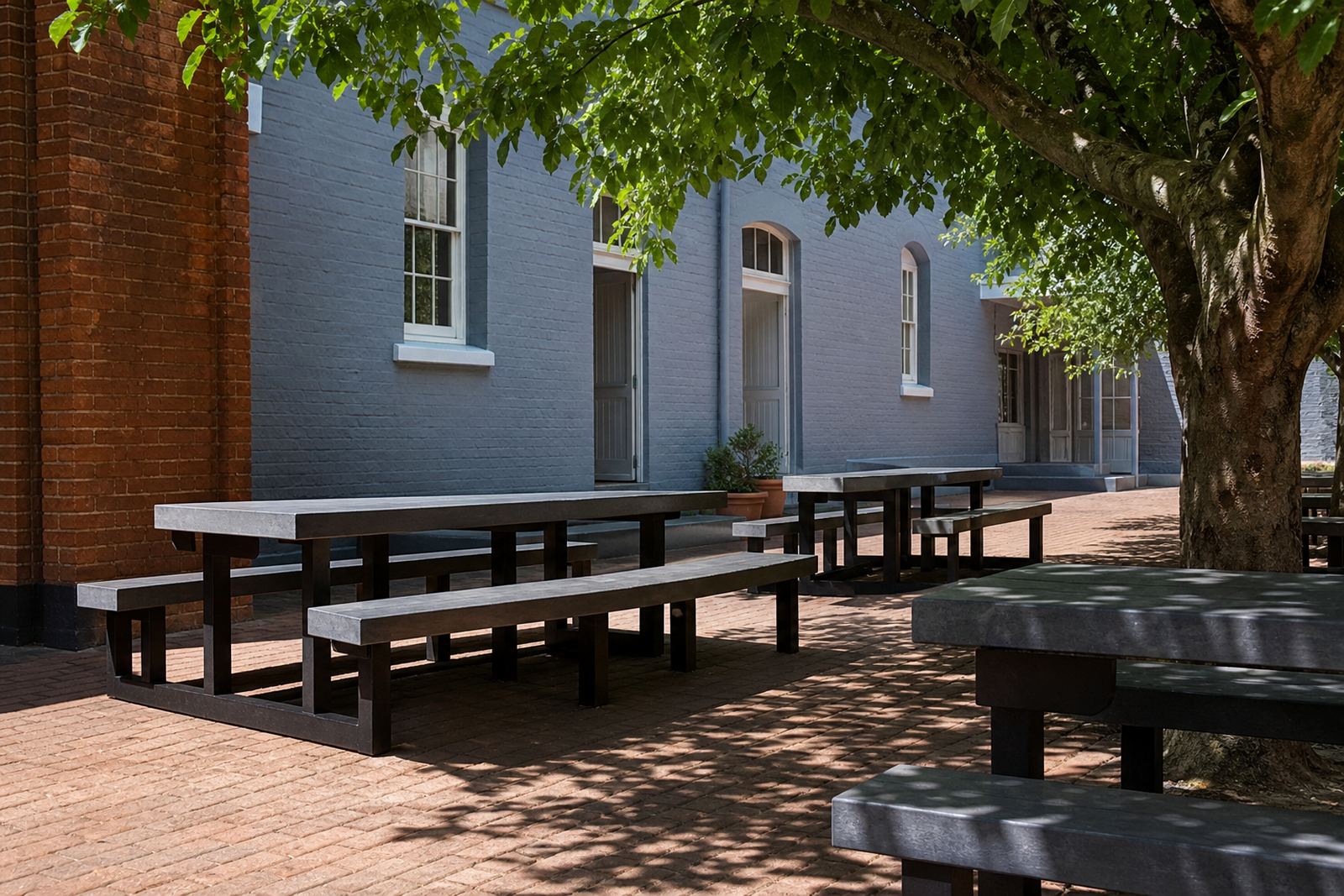
For commercial and public sites, recycled plastic lumber is helpful where regular cleaning and weather exposure are part of day-to-day use. It is also a useful choice where timber movement, splitting or surface wear would create extra maintenance calls. In wet or shaded areas, the material holds up well where moss and moisture can become a problem.
- Memorial gardens and remembrance walls
- Church grounds and cemetery paths
- Retirement complexes and healthcare gardens
- Public parks and municipal rest areas
- Private homes with quiet outdoor corners
Installation and site requirements
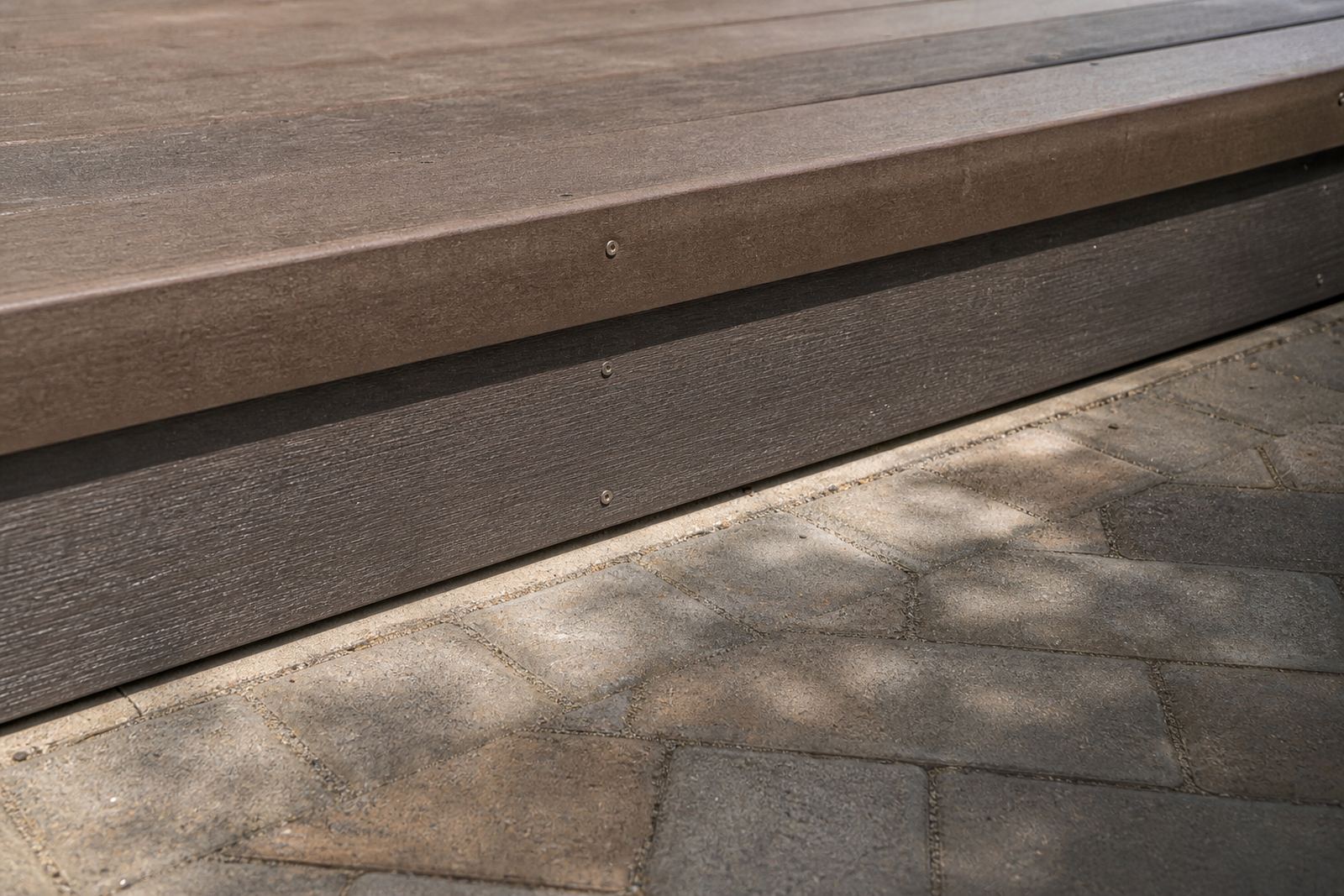
Memorial benches can be installed on paving, concrete plinths, compacted stone bases or prepared garden pads, depending on the site. Some projects only need the bench positioned and levelled, while others need secure fixing for public use or areas with higher foot traffic. Jason Petersen and the installation team can advise on the best approach for the site conditions.
No power or gas supply is needed for the bench itself. That makes planning simpler for new gardens and remote sites where utilities are limited. If the bench is being installed near lighting, irrigation, or other site services, those details should be checked before delivery so the placement does not interfere with buried lines or access covers.
On sloped or uneven ground, a level base is important. A bench that is not set properly can feel unstable and also wear unevenly over time. Simple preparation now saves repeat work later, especially in places where soil movement or heavy rain is common.
Care, cleaning and servicing over time
One of the main advantages of recycled plastic lumber is low day-to-day maintenance. The bench can usually be cleaned with water and a mild detergent. In most cases, routine washing is enough to remove dust, pollen, bird droppings and general outdoor dirt. For sites near the coast, a more regular rinse can help reduce salt build-up on the surface.
The material does not need sanding, oiling or sealing in the way timber often does. That said, periodic checks are still worth doing. Fasteners can be checked for tightness, legs or supports can be inspected for movement, and any surface marks from heavy use can be reviewed if the bench is in a public setting.
- Wash with mild soap and water as needed
- Check fixings after installation and after severe weather
- Remove leaf litter and debris from around the base
- Inspect for movement on uneven ground or soft soil
If a section is damaged, component replacement may be possible depending on the bench format. Refurbishment can also be discussed where the bench is structurally sound but needs freshening up after years outdoors.
What to check before placing an order
Before ordering a memorial bench, it helps to confirm the site dimensions, the expected number of users and whether the bench will be fixed in place. It is also useful to know if the site has shade, strong wind, salty air, or regular exposure to irrigation water. These details affect the best layout and the practical finish for the location.
Clients should also check whether the bench needs to fit around an existing plaque, path edge, tree, or wall. A few centimetres can make a difference in a tight garden, especially when access routes are narrow or when delivery must move through gates and shared walkways.
- Bench length and seating capacity
- Fixed or movable placement
- Surface type for installation
- Colour and finish preference
- Any plaque, inscription or mounting detail needed by the site
For trade and project enquiries in Paarden Eiland, Cape Town and across South Africa, clients can send their details through the enquiry form on the contact page. The team can assist with site measures, material quoting, delivery coordination and trade support for projects in Cape Town, Stellenbosch, George, Johannesburg, Durban, Paarl, Somerset West and Bellville.
Key facts
| Material | Recycled plastic lumber |
|---|---|
| Typical formats | Backed and backless memorial bench styles |
| Use areas | Gardens, memorial spaces, cemeteries, courtyards and public seating areas |
| Maintenance | Low upkeep, simple cleaning with water and mild detergent |
| Installation | Freestanding or fixed to a prepared base depending on site |
| Coverage | Delivered across South Africa from Paarden Eiland, Cape Town |