
Prepared Frames For Recycled Plastic Bench Builds
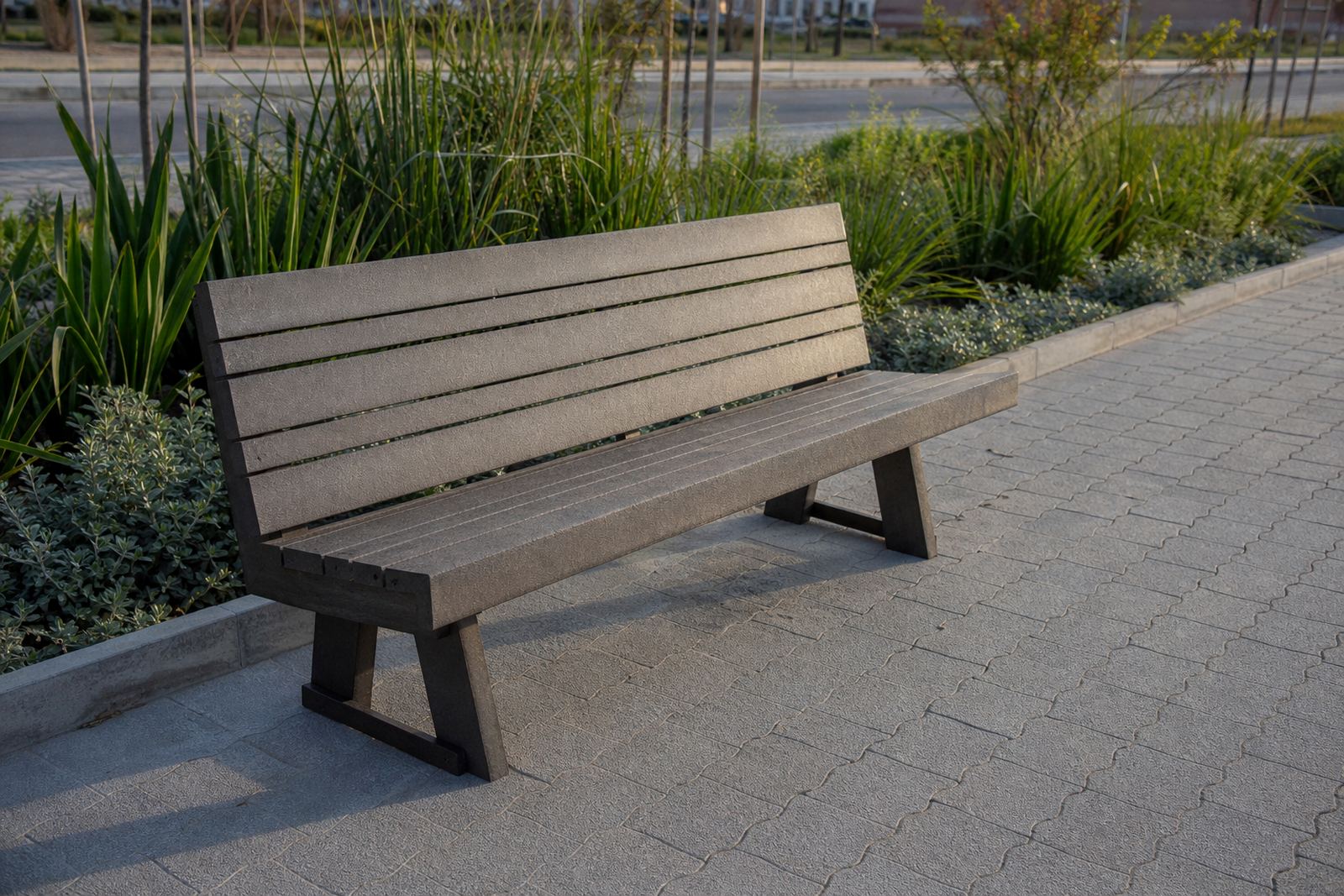
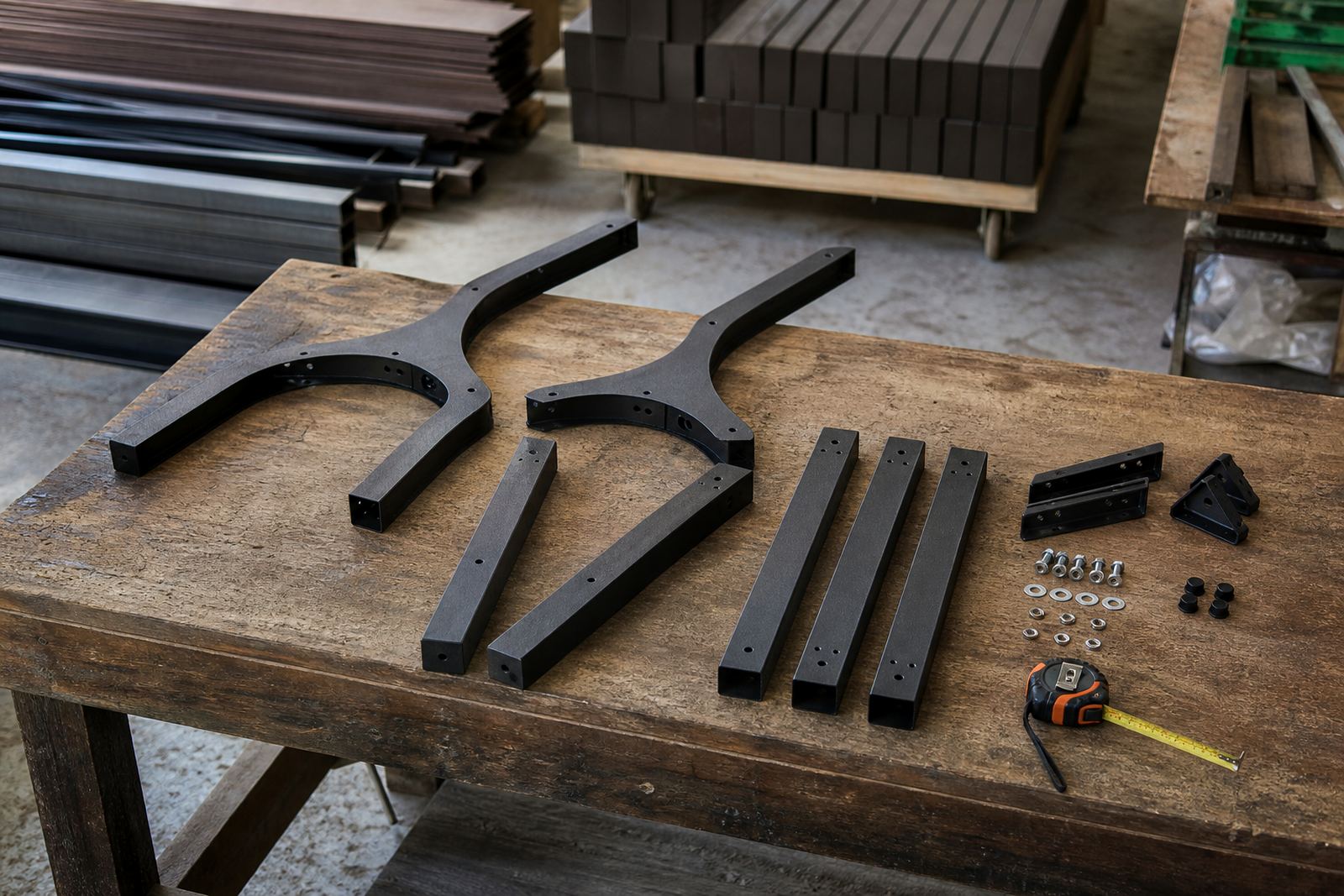
Seat frames are the load bearing support under a bench seat, made to take recycled plastic lumber slats or similar seating members in a fixed layout. They are used where the client wants a neat, repeatable bench build with even spacing, solid support and less upkeep than timber in wet or high use areas.
Our seat frame components are suited to outdoor seating runs, standalone benches and matching seat modules for landscaped spaces. The parts are prepared for practical on-site assembly, so you can keep the layout consistent from one bench to the next. In coastal areas like Cape Town, Strand and Durban, recycled plastic seating helps reduce swelling, rot and insect damage that often affects timber over time.
Common Sizes, Layouts And Support Options
Seat frame components can be prepared for short two seater benches, longer three to five seater runs, or linked seating for walkways, courtyards and public gathering areas. We work to the bench dimensions required by the project, with layout planning done around the seating width, fixing points and installation method.
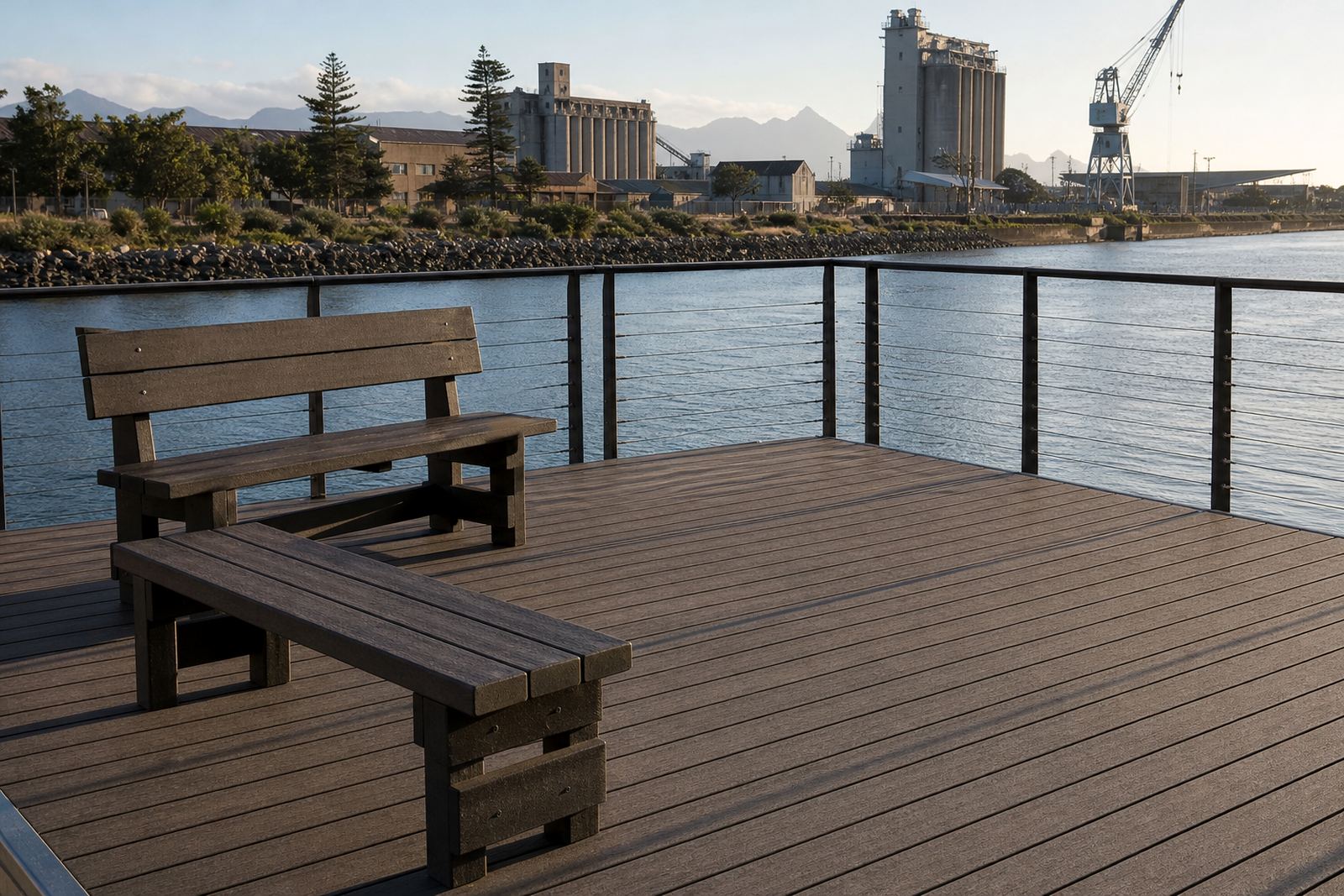
Typical ordering choices include straight benches, backless benches, backed seating and modular runs for repeated use on a site. For projects where the bench is exposed to strong sun or coastal humidity, the fixing arrangement and spacing must allow for movement and drainage. That keeps the seating steadier, and makes cleaning much easier.
- Bench length matched to the site layout
- Seat depth and height set to the intended user group
- Fixing points for concrete, paving, timber or steel bases
- Options for edge finishing and component replacement later
Where Seat Frames Work Best
These frame components suit residential gardens, apartment courtyards, body corporate common areas, schools, parks, office smoking areas, hospitality decks and municipal open spaces. They are also useful on commercial jobs where the seating must look tidy, last in harsh weather, and stay serviceable with basic maintenance only.
Because the base material is recycled plastic lumber, the seating is generally well suited to South African conditions where hot summers, coastal salt air and load-shedding can affect other materials and finishes. In Johannesburg and Pretoria, the main concern is often UV exposure and dust. In George, Paarl and Somerset West, the issue is more often moisture, run-off and weathering. The frame should be specified to suit the site, not just the look.
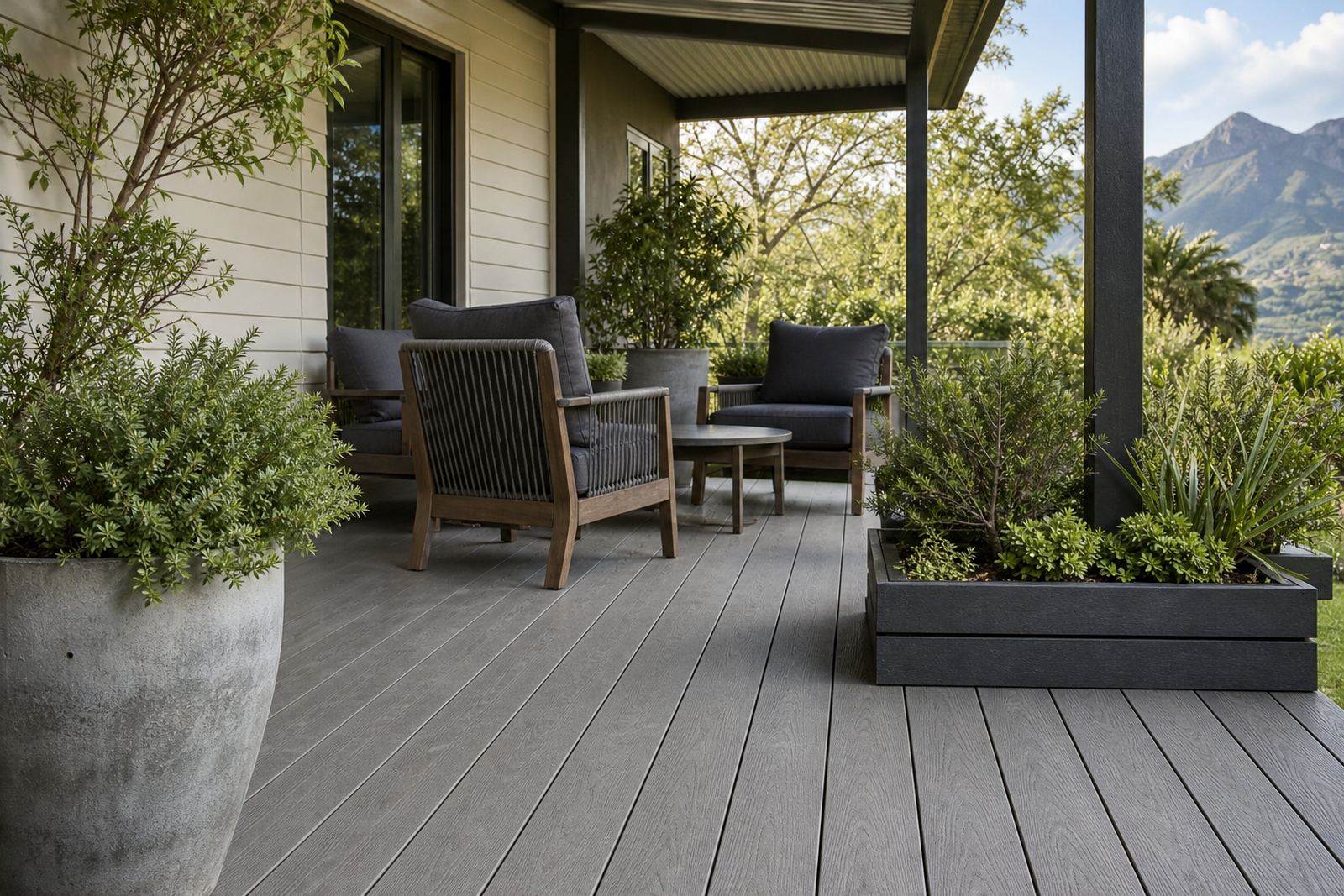
- Residential patios and poolside seating
- Estate walkways and shared courtyards
- Hospitality terraces and outdoor waiting areas
- Public benches in parks, schools and municipal spaces
Installation Needs, Tools And Power
Seat frame installation is normally straightforward, but it still needs proper site prep and accurate setting out. Depending on the job, the frame may be fixed to a concrete slab, plinths, paving or another prepared base. If the seating is part of a larger deck or paved area, the install team should confirm levels, drainage falls and spacing before any final fixing starts.
Power needs are basic. Standard hand tools and battery tools are usually enough for on-site work, with cutting and drilling handled as required by the fixing method. No gas equipment is needed for normal seat frame installation. On sites with restricted access or limited power, especially during load shedding, it helps to pre-plan what must be cut or drilled off site so the visit runs smoothly.
Care, Servicing And Long Term Use
Recycled plastic seat frames are low maintenance, but not no maintenance. They still need periodic checks for loose fixings, movement at the base and any damage from misuse or impact. Cleaning is usually done with water and a mild detergent. For dusty inland sites or salt exposure near the coast, a regular wash down keeps the bench looking tidy.
Where benches are used heavily, we recommend planned servicing rather than waiting for a failure. That can include refastening, replacing individual components, adjusting a misaligned slat and checking the edge finish. In most cases the seat frame itself is still serviceable long after the surrounding area has changed, which makes it a practical choice for phased developments and public areas.
- Check fixings after the first few weeks of use
- Inspect for movement after heavy rain or site works
- Clean regularly to remove grit, bird droppings and salt
- Replace damaged parts early to protect the full bench
What To Confirm Before You Order
Before ordering, confirm the bench length, seat height, site base, fixing method and whether the bench needs back support or arm support. If the bench must line up with an existing deck, wall or paving edge, provide the measurements and photos so the frame components can be prepared to suit. That avoids delays once the product reaches site.
It also helps to note whether the bench is for private, trade or public use, since the layout and fixing details can differ. We support projects from Cape Town and Bellville through to Stellenbosch, George, Johannesburg and Durban, with delivery coordination and trade support handled from our Paarden Eiland base. The enquiry form on our contact page is the best way to start, and our team will work through the measure up, material quoting and delivery from there.
Trade Support From Paarden Eiland To The Major Centres
Plastimber has been working from Paarden Eiland, Cape Town since 2009, with a practical focus on recycled plastic lumber seating, decks and related components. The team includes Anele Mkhize in sales, Bianca Fourie on project coordination, Thabo Molefe in production, Leanne Naidoo in customer support, Jason Petersen on installation and Sibusiso Dlamini in logistics. That structure helps when a job needs measured supply, careful packing and delivery across multiple sites.
For seat frames, the goal is simple: supply the right prepared components for the bench layout, keep the specification clear, and make sure the install team has what they need on arrival. Whether the project is a small garden bench or a larger public seating run, proper preparation at order stage saves time and avoids unnecessary call-backs later.
Key facts
| Product type | Prepared seat frame components for recycled plastic bench layouts |
|---|---|
| Material context | Designed for use with recycled plastic lumber seating members |
| Typical use | Outdoor benches, seating runs and modular seating layouts |
| Site suitability | Residential, commercial and public spaces |
| Maintenance | Low maintenance, with periodic cleaning and fixings checks |
| Service areas | Cape Town, Stellenbosch, George, Johannesburg, Durban, Paarl, Somerset West, Bellville |