
What Solid Profiles Are Used For
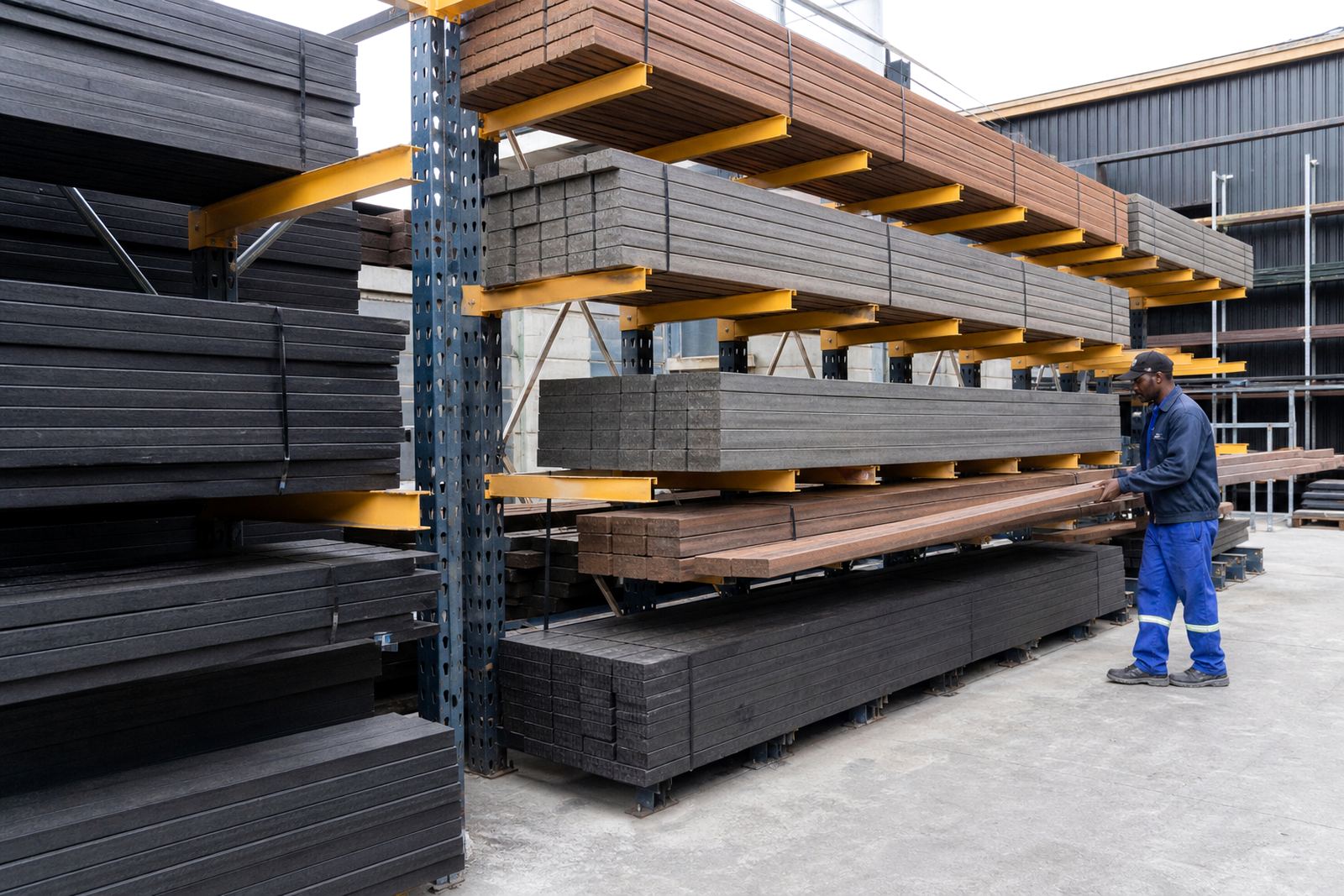
Solid recycled plastic profiles are dense structural pieces used where a project needs a straight, stable section for framing details, support members, trim elements or bench construction. They are not hollow cladding pieces, so they are chosen when the application calls for more substance in the material and less risk of splitting, rotting or twisting over time.
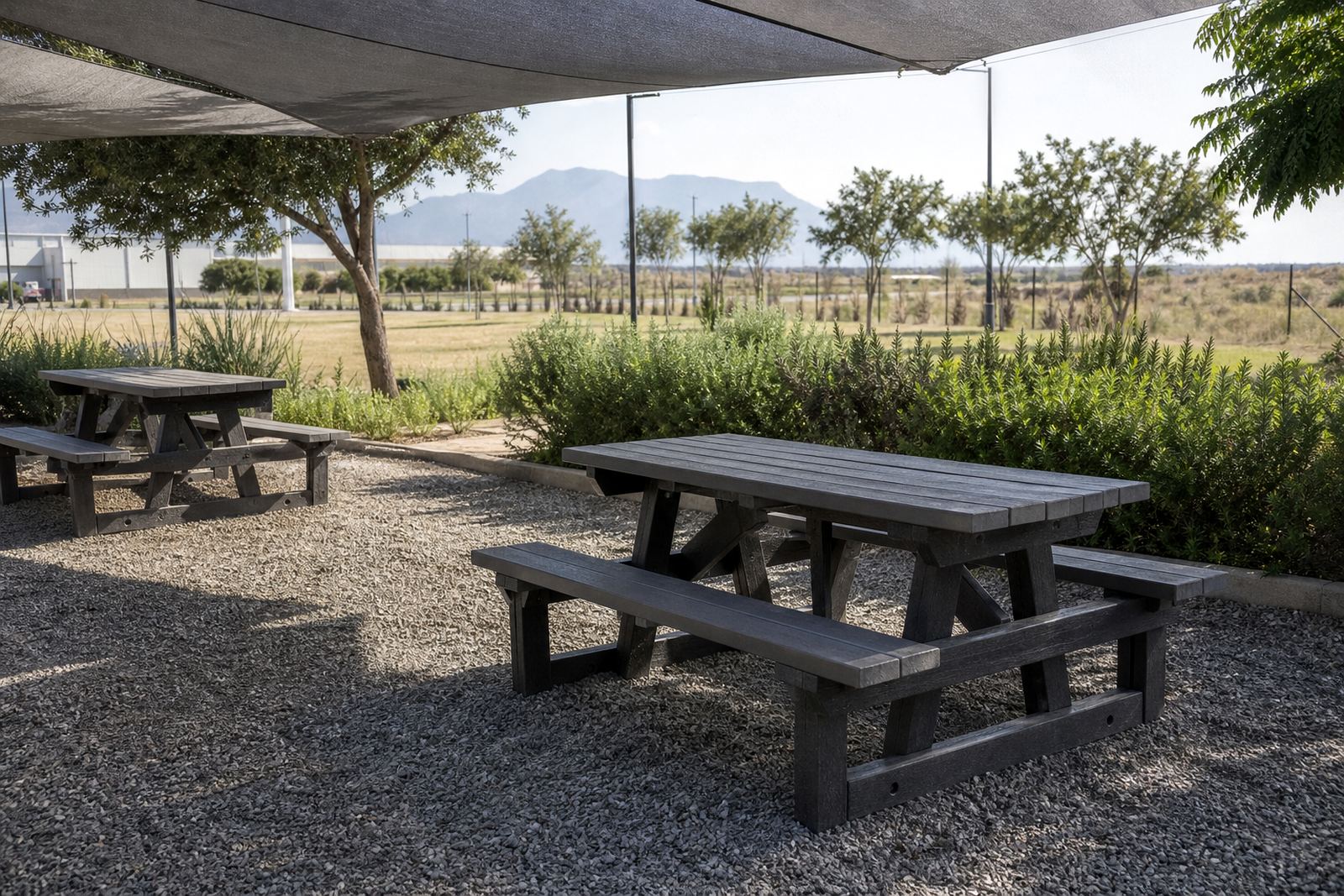
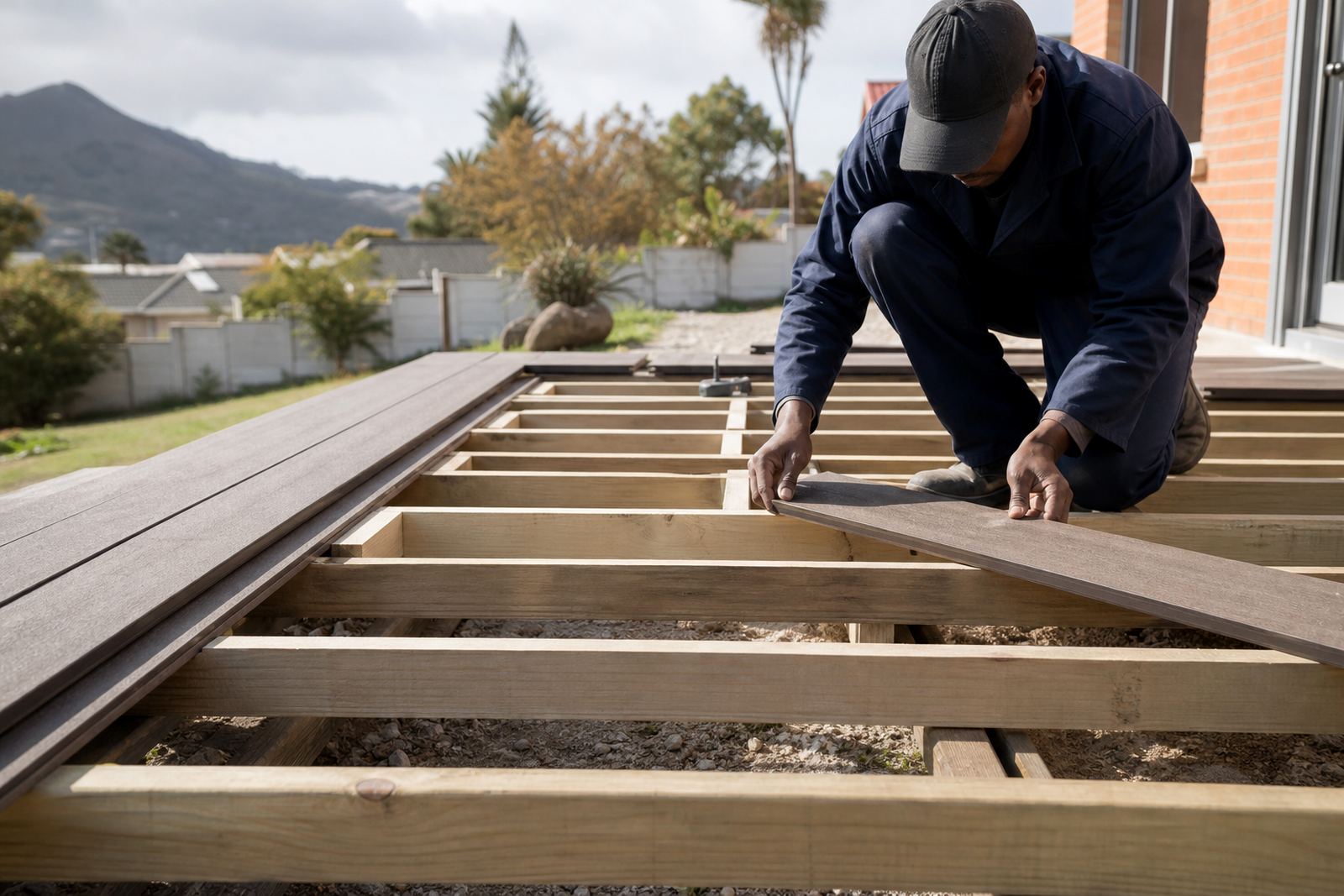
On deck projects, solid profiles are often used for perimeter details, steps, edging, fascia support and other areas where neat finish matters. On bench builds they can form legs, seat supports, braces and other load-bearing parts of the assembly. They are a practical choice for sites near the coast, around pools, or in places where regular cleaning and moisture are part of daily use.
Sizes, Shapes And Typical Options
Profiles are usually supplied in common straight lengths and can be cut to suit the layout on site. Exact dimensions depend on the project, but solid recycled plastic lumber is generally available in a range of widths and thicknesses suited to light to medium structural use, plus heavier sections for more exposed or high-use applications. If you are matching an existing frame, bring the measured section sizes with you or send them through with your enquiry so the right profile can be quoted.
When ordering, it helps to check the following:
- Required length and number of pieces
- Section size and whether the profile is square, rectangular or custom cut
- Colour preference if the build needs a consistent finish
- Whether the piece will be visible or hidden inside the frame
- If the profile will be used for decking, benches or another support detail
Because this material is made from recycled plastic, small surface variations can appear between batches. That is normal and should be considered when planning visible joints or aligned feature work.
Where Solid Profiles Suit Best
These profiles suit projects where timber may be exposed to damp conditions, coastal air or frequent wash-downs. In Cape Town, Stellenbosch, Somerset West and Bellville, they are often specified for outdoor spaces that see sun, rain and everyday use. In George, Johannesburg and Durban, they also work well where maintenance access is limited and a longer service life is preferred.
Common uses include private patios, hospitality areas, school courtyards, retirement facilities, braai spaces, public seating and municipal-style installations. They are also useful in places where termites, staining or movement in natural timber would create extra work later on. For some applications they can be paired with other materials, but the right fixing method and spacing should always be confirmed before installation starts.
- Deck framing details and edge support
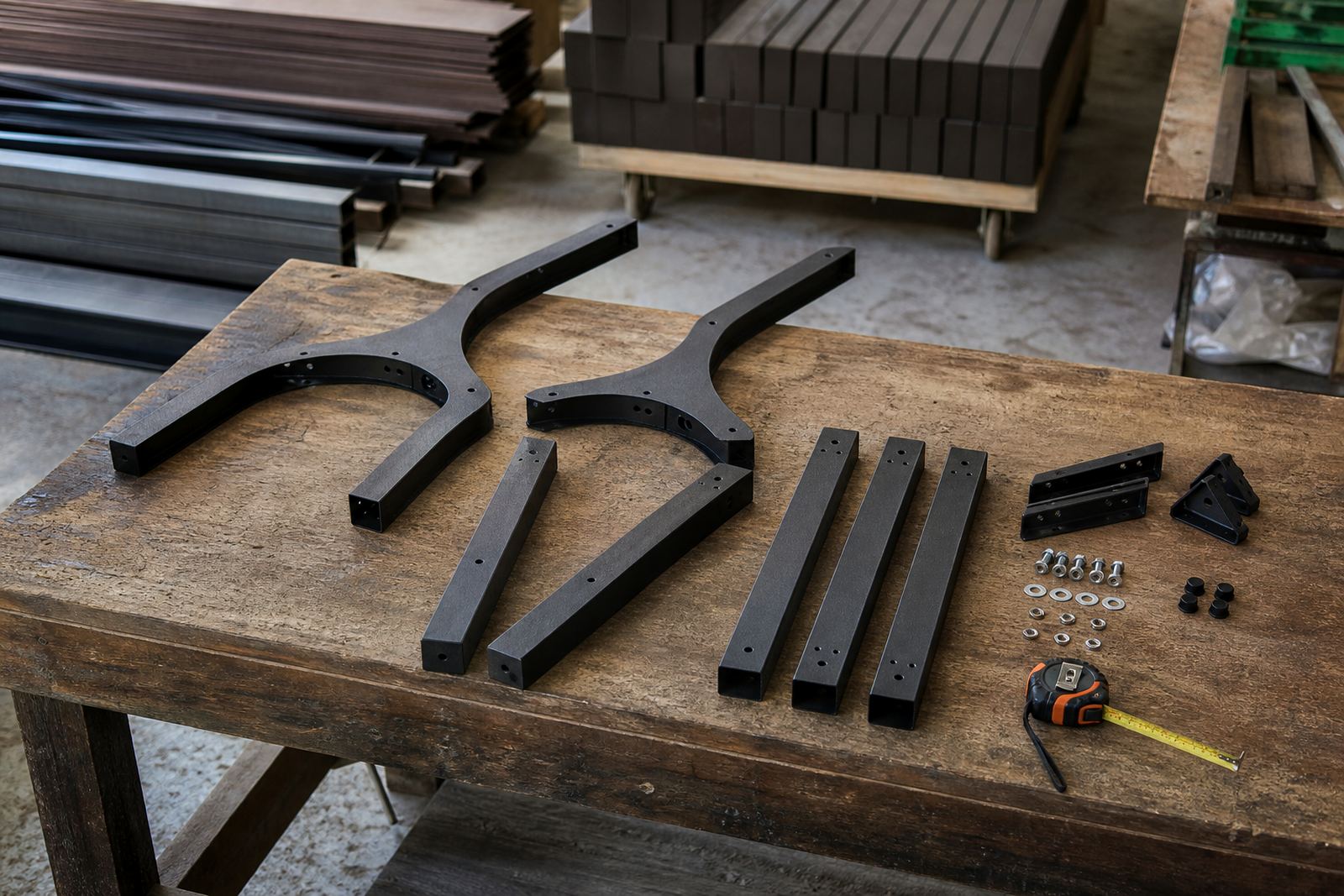
- Bench legs, bases and seat supports
- Outdoor furniture framing
- Steps, borders and transition strips
- Areas exposed to moisture, spray or routine cleaning
Installation And Site Requirements
Solid profiles can be cut, drilled and fastened using normal site tools, but the installer should allow for material movement and proper support spacing. Unlike timber, recycled plastic lumber does not behave the same way when fixed too tightly, so clean layout, pre-drilling where needed, and the correct fastener choice matter. If the profile is part of a deck frame or bench build, the structure underneath must be level and adequately supported before final fixing starts.
For most jobs, no special power supply is needed beyond standard site tools. A drill, saw and measuring tools are normally enough for cutting and assembly. In some workshops or fabrication areas, a gas torch may be used carefully for shaping or edge work, but this is only for experienced installers and not something to guess on site. If the project includes refurbishment, existing fixings should be checked for corrosion or movement before any replacement pieces go in.
In coastal areas like Durban or around the False Bay side of Cape Town, fasteners and connectors should be selected with corrosion in mind. Load-bearing members should be installed according to the project layout, and any municipal or site-specific access rules should be followed where the work is part of a public space or managed property.
Care, Cleaning And Refurbishment
Solid recycled plastic profiles are generally low-maintenance, which is one reason they are used on exterior projects and in busy public spaces. Routine cleaning with water and a mild detergent is normally enough to remove dust, sand and general grime. For commercial sites near the sea, a more regular rinse can help reduce salt build-up, especially where spray or wind-blown grit is common. The material does not need sealing or painting in the same way as timber.
If a section becomes damaged, it may be possible to replace the affected component rather than remove the full structure. That is often useful for bench work and smaller deck details where one piece takes more wear than the rest. Ongoing servicing may include checking fixings, replacing worn hardware, tightening alignment and confirming that drainage around the structure is still working properly.
- Wash down regularly to remove dirt and grit
- Check fixings after heavy use or weather exposure
- Replace damaged sections rather than overworking the whole frame
- Keep standing water away from the base where possible
- Inspect benches and steps for movement or wear points
What To Confirm Before You Order
Before placing an order, make sure the profile is matched to the real job and not just the drawing. The length, section size, finish and intended use all affect how the material should be supplied. If the profile will be visible on the front edge of a deck or on the face of a bench, ask for the cleanest side to be used where possible. If it will be hidden inside the frame, the priority may be straightness and fit rather than appearance.
It also helps to confirm delivery access at the site. Paarden Eiland jobs often move quickly because access is straightforward, but deliveries to Stellenbosch, George, Johannesburg, Durban, Paarl and Somerset West may need timing around access gates, offloading points or site hours. For trade clients, a proper material quote should include the profile sizes, quantities, cut requirements and delivery details so there is less back-and-forth once the work is booked.
If the profile is going into a deck, ask about spacing, fixing method and any edge finishing needed. If it is for a bench, confirm whether the build needs pre-cut sections or if the installer will trim on site. That simple check can save time, and a lot of unwanted rework later.
Key facts
| Material | Solid recycled plastic lumber |
|---|---|
| Primary use | Deck framing details, bench construction and support components |
| Finish | As supplied, with a consistent utilitarian surface for outdoor use |
| Maintenance | Low maintenance, wash with water and mild detergent |
| Workability | Can be cut, drilled and fixed with standard site tools |
| Service area | Paarden Eiland, Cape Town and delivered across South Africa |