
Bench installation for spaces that need tidy, lasting seating
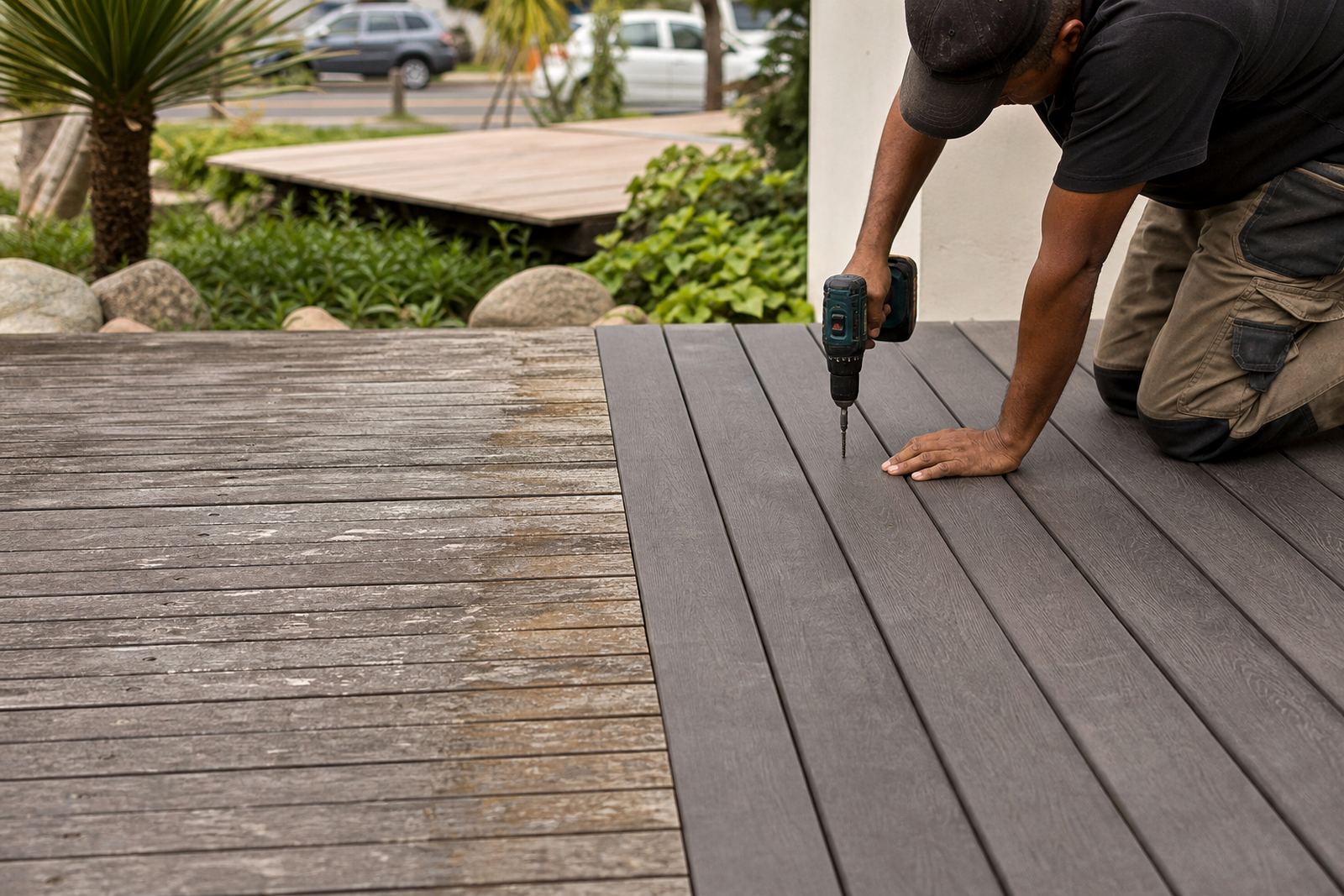
Bench installation is more than putting a seat in place. It starts with checking the site, the ground, access routes and how people will use the area day to day. In gardens, schools, office courtyards and public walkways, benches need to sit level, stay secure and allow for easy cleaning around them. We install recycled plastic lumber benches for residential and commercial projects where wood may weather fast or need regular repainting.
Our team works from Paarden Eiland, Cape Town and supports installations in Stellenbosch, George, Johannesburg, Durban, Paarl, Somerset West and Bellville. We also manage deliveries nationwide. The aim is simple: place each bench where it makes sense, fix it properly and leave the area neat, with the least fuss for your staff or site team.
What is included in a bench installation
Each installation is planned around the bench style, the surface it will sit on and the amount of use it will get. We can work on paved areas, concrete pads, compacted bases and other prepared surfaces. If the site needs minor layout changes, we can discuss anchor points, spacing and access so the final result is safe and practical. For shared spaces, that often means setting benches with enough room for foot traffic, bins, planter edges and cleaning access.
- Site measures and placement checks
- Layout planning for one bench or multiple units
- Delivery coordination to site
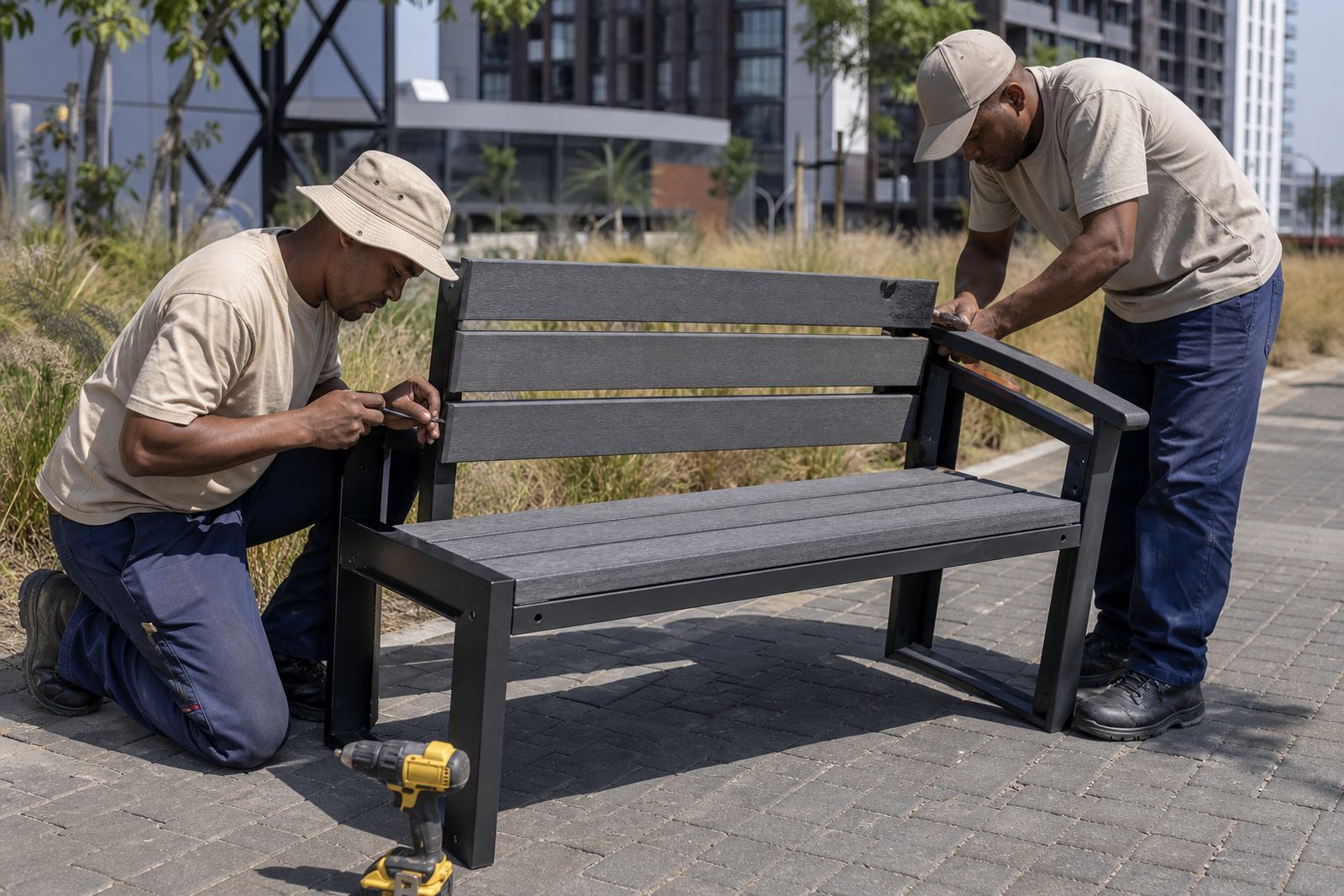
- Bench assembly and fixing where required
- Edge finishing for a neater final result
- Basic care advice for the site team
We do not treat every site the same. A school in Durban with high humidity and busy break times needs a different setup from a courtyard in Stellenbosch or a sheltered residential garden in Somerset West. That is why we look at the site properly before installation starts, even when the order is small.
How the installation process works
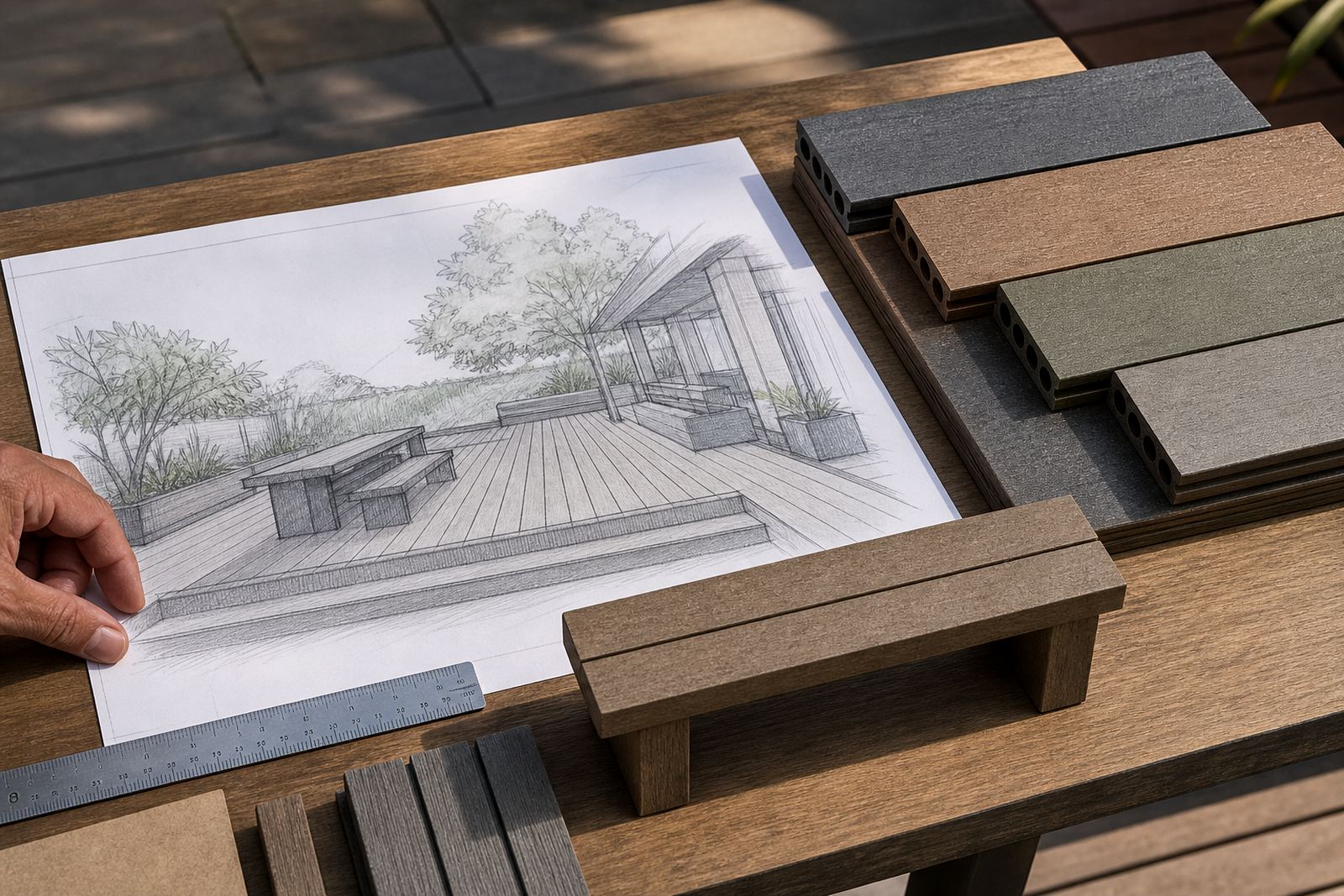
The process is straightforward and keeps the project moving. First, we confirm what bench type is needed, how many units are going in and whether the benches will be free standing or fixed. Next comes a site measure if needed, followed by layout planning and a material quote. Once the order is approved, we coordinate production, delivery and installation in the right sequence.
On installation day, the team checks the ground again, positions the benches and makes sure the placement matches the agreed layout. If fixing is part of the scope, that step is completed with care so the benches stay put and sit evenly. We then check the finish, clear away packaging and confirm any follow up items. It is a simple process, but it helps prevent problems later on, especially on sites with uneven paving or high foot traffic.
- Initial enquiry through the contact page
- Site measure or photo review if suitable
- Layout and quotation
- Delivery planning and installation booking
- Bench assembly, placement and final check
Bench specifications and practical sizing
Recycled plastic lumber benches are chosen for durability and low upkeep. The material is suited to outdoor conditions, including coastal air in Cape Town and Durban, and it does not need sanding or sealing like timber usually does. It also handles day-to-day use well in parks, campuses and business entrances. Because projects vary, the final bench size and fixing detail depend on the chosen design and the site conditions.
Common practical points are seat height, depth, back support and overall footprint. On public projects we also consider wheelchair access routes, cleaning space and how the bench sits beside paving or planted areas. In some cases, a bench needs to be raised slightly off the ground to help with washing down and drainage. For shared spaces, the finish should be neat and simple to maintain, with no loose parts left behind.
Turnaround times and pricing approach
Turnaround depends on stock, the number of benches, delivery distance and whether the site is ready for installation. A single bench for a garden in Cape Town may move quickly, while a larger order for a campus in Johannesburg or a park in George can need more planning around transport and site access. We try to keep the process clear from the start so there are no surprises once the job is underway.
Pricing is based on the scope of work, not guesswork. We look at bench quantity, assembly requirements, fixing method, delivery route and any extra labour for difficult sites. If the site is in a coastal area with strong winds or uneven paving, that can affect the time needed on site. Quotes are prepared after the relevant details are known, so the client can compare options properly. It is a practical approach and keeps everyone on the same page.
Maintenance intervals for busy public and private sites
One reason recycled plastic lumber benches are popular is that they need less maintenance than timber seating. Even so, regular checks help keep the site tidy and safe. We usually suggest a simple inspection schedule based on how busy the area is. A small private garden might only need light seasonal checks, while a school, retail forecourt or municipal space may need more frequent attention.
- Monthly visual checks for loose fixings, movement and surface wear
- Quarterly cleaning for dust, salt build up and general grime
- After heavy rain or strong winds, check anchoring and level
- Annually, review the bench placement and any replacement parts needed
If a bench starts to show movement, damage to a component or staining from nearby landscaping, we can help with component replacement, refurbishment advice and trade support. Good maintenance intervals keep the seating usable for longer and reduce disruption in busy spaces. In many cases, a quick check is all thats needed.
Key facts
| Service area | Paarden Eiland, Cape Town and nationwide delivery across South Africa |
|---|---|
| Common locations | Cape Town, Stellenbosch, George, Johannesburg, Durban, Paarl, Somerset West, Bellville |
| Bench material | Recycled plastic lumber for outdoor use |
| Typical site types | Gardens, campuses, parks, courtyards and shared spaces |
| Installation scope | Assembly, placement, fixing, edge finishing and cleanup |
| Enquiry method | Contact page enquiry form |