
Why shared spaces need benches that can take daily use
In a public setting, a bench has to cope with constant traffic, weather changes and the odd bit of rough treatment. That means the material matters as much as the shape. Recycled plastic lumber is often chosen because it handles moisture better than timber, does not splinter in the same way, and is easier to keep in good condition where many people use the same seat every day.
For councils, property managers and contractors, the appeal is practical. A bench in a civic square, along a promenade or near a clinic should not need frequent sanding, sealing or repainting. It should stay usable through summer sun, winter rain and coastal humidity, with simple cleaning and basic inspection. In places like Cape Town and Durban, that lower maintenance burden is often the difference between a bench that stays in service and one that gets ignored.
What recycled plastic lumber benches are suited to
These benches work well where seating must be practical rather than decorative only. They are used in public spaces that need steady performance and straightforward care, especially where timber would need more attention over time.
- Parks, gardens and play areas
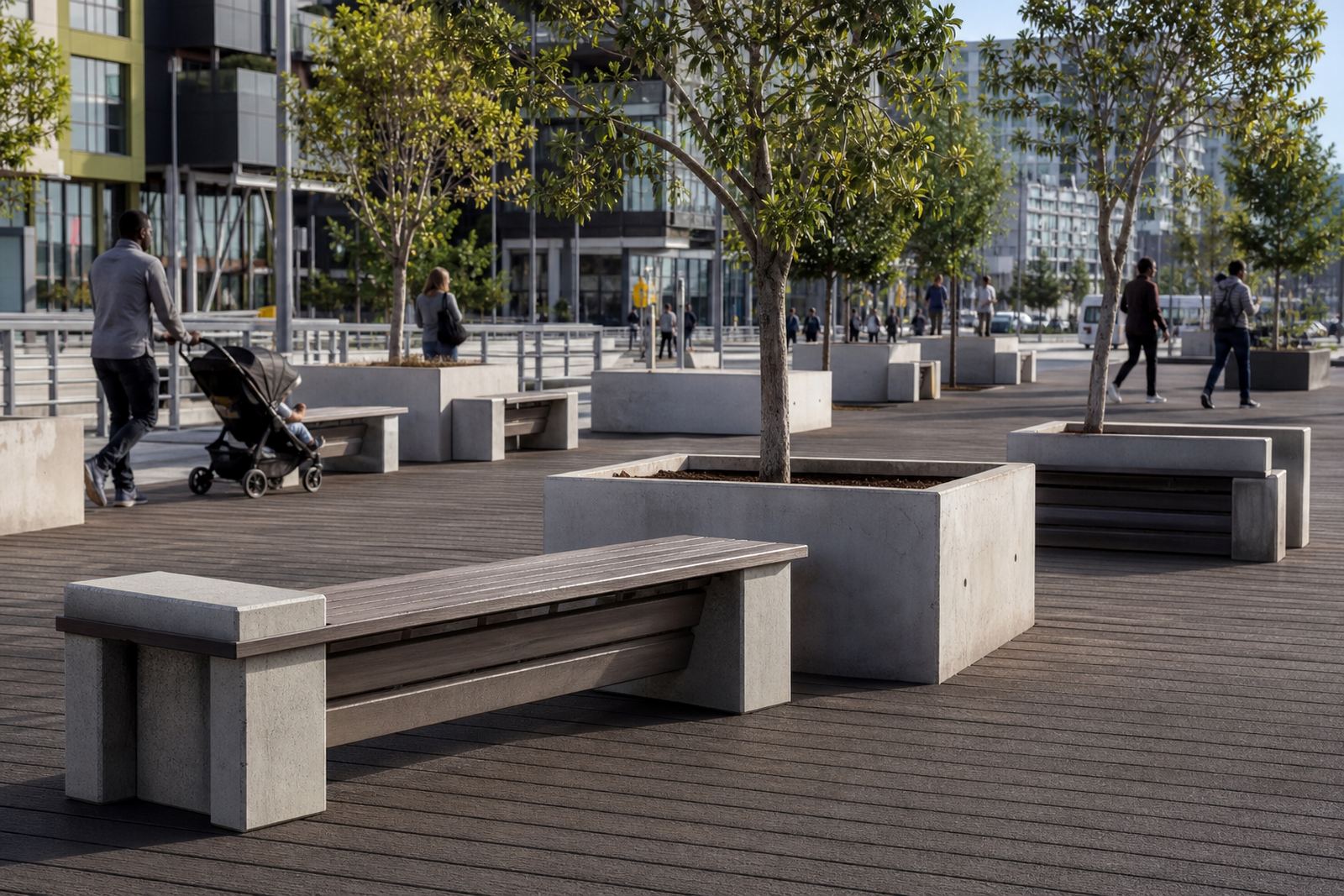
- Municipal walkways and public squares
- Taxi ranks, bus stops and transport interchanges
- School grounds and campus seating areas
- Retail forecourts, estates and mixed-use developments
- Hospital and clinic waiting zones outdoors
The same bench style can also be adapted for different site conditions. A shaded courtyard in Stellenbosch has different needs from a beachfront path in George or a high-use transport area in Johannesburg. Good bench planning starts with where people will sit, how often they will use the seat and what kind of cleaning access the site has.
Practical features that help benches last longer
In South African public spaces, a bench is exposed to sun, rain, dust, salty air and regular use. Recycled plastic lumber has practical advantages in that setting, especially when the bench is put together with proper fixings and a sensible layout. The aim is not just to install seating, but to reduce maintenance and keep the area tidy.
Useful features often include:
- Smooth edges that are more comfortable for daily use
- Materials that do not absorb water the way untreated wood can
- Construction that suits both indoor-outdoor and fully outdoor settings
- Parts that can be replaced if a section becomes damaged
- Simple cleaning with water and standard maintenance methods
In coastal towns, this matters even more. Salt air can be hard on many materials, so a bench made for outdoor public use needs to be chosen with the site in mind. The same applies to areas with strong sun and heat, where some materials fade or age faster than expected.
Planning bench placement so people actually use them
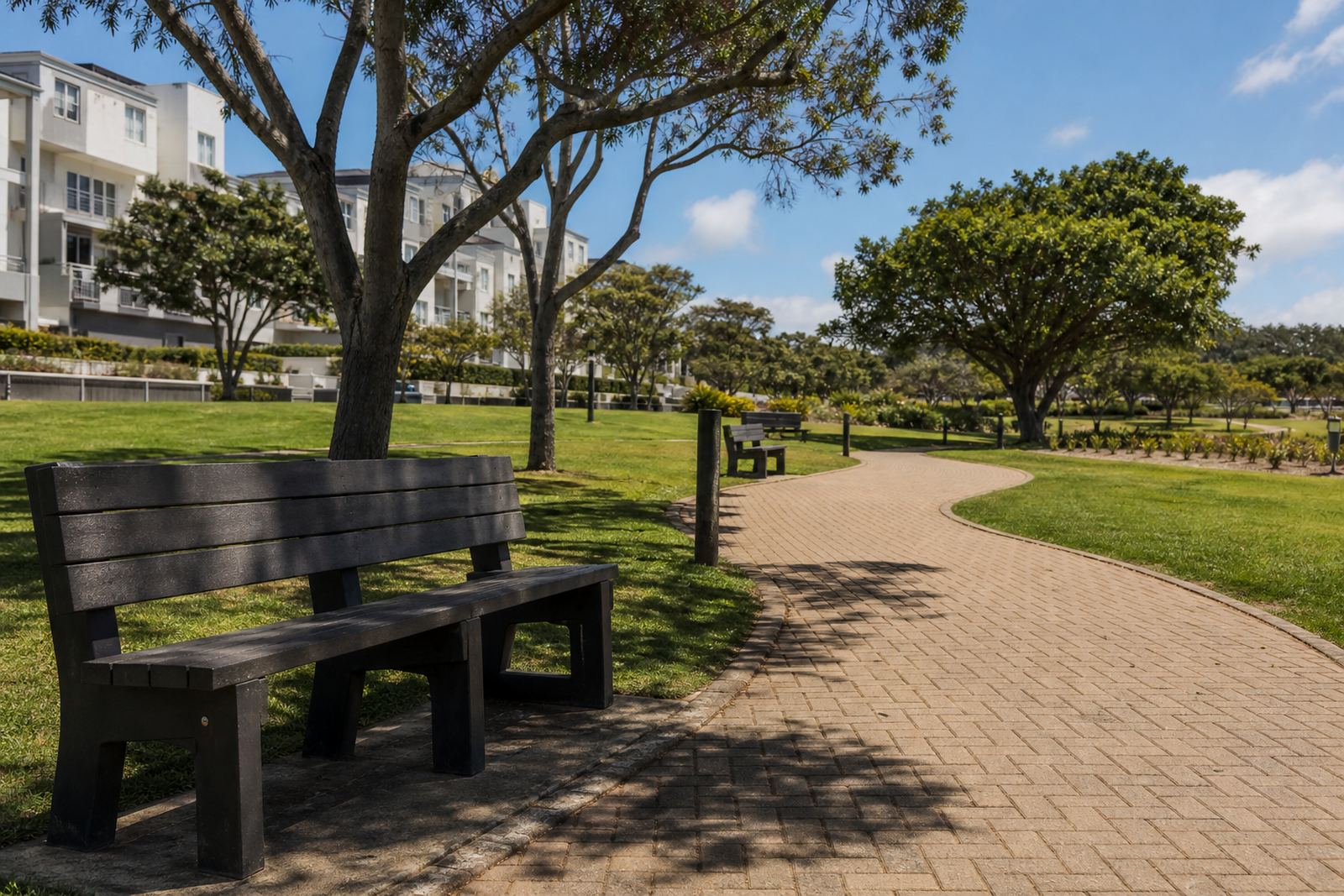
Even a well-made bench can be poorly used if it is placed badly. Shade, sightlines, foot traffic and access all affect how useful a seat will be. In a busy public space, people usually look for a bench where they can pause without blocking movement or sitting too close to a noisy edge.
Layout planning should consider the full setting. Is the bench near a path, a garden edge or an open civic forecourt? Will it be used by older people, parents with children or workers on short breaks? Is there room for a wheelchair nearby? These questions matter because good public seating is not only about comfort, it is also about access and flow.
In Paarden Eiland and across the Cape Town area, we often see how the right seating plan changes how an outdoor area is used. A bench under a tree or beside a sheltered wall gets more regular use than one placed in full sun with no nearby bin or path connection. Small choices make a noticeable difference.
Maintenance that suits busy civic and commercial sites
Public benches should be easy to look after, especially where site teams are already managing paving, bins, lighting and landscaping. Recycled plastic lumber is often chosen because routine cleaning is straightforward and the material is made for hard-wearing outdoor use. That helps where load-shedding, weather exposure and busy foot traffic already create enough upkeep pressure.
Simple maintenance usually includes:
- Wiping down surfaces to remove dust and spills
- Checking fixings and supports during routine site inspections
- Replacing any damaged components before the bench is put back into heavy use
- Keeping the base area clear of standing water and litter
- Using care advice suited to the specific site conditions
For municipal and private estate clients, that kind of upkeep is easier to schedule than repeated sanding, staining or timber repairs. It also keeps the area looking orderly, which matters in places where the public judges the whole site by small details.
A local example from Cape Town to Durban
Consider a walkway, transport node or civic garden where people need to sit briefly while waiting or resting. In Bellville, a bench may need to serve shoppers and commuters throughout the day. In Somerset West or Paarl, the same bench type might be used in a quieter public garden or community space. In Durban, the coastal air can put added pressure on outdoor materials, so low-maintenance seating is especially helpful.
The main point is that public benches should be chosen for the way people really use them. A good seating run in a shared space gives people somewhere to pause, talk, wait and recover from the heat. It also shows that the place has been thought through, not just filled with fixtures.
From site measures and layout planning to delivery coordination, installation and component replacement, public bench projects need practical support from start to finish. The result should be seating that looks orderly, serves the site properly and keeps working with minimal fuss.
What to ask before specifying public benches
Before you place an order or confirm a layout, it helps to ask a few direct questions. That keeps the project grounded in the actual site rather than assumptions made from a brochure or a quick visit.
- Who will use the benches most often and at what times of day?
- Will the benches be fully exposed to sun, rain or sea air?
- Is the site public-facing, private, or managed by a body corporate or municipality?
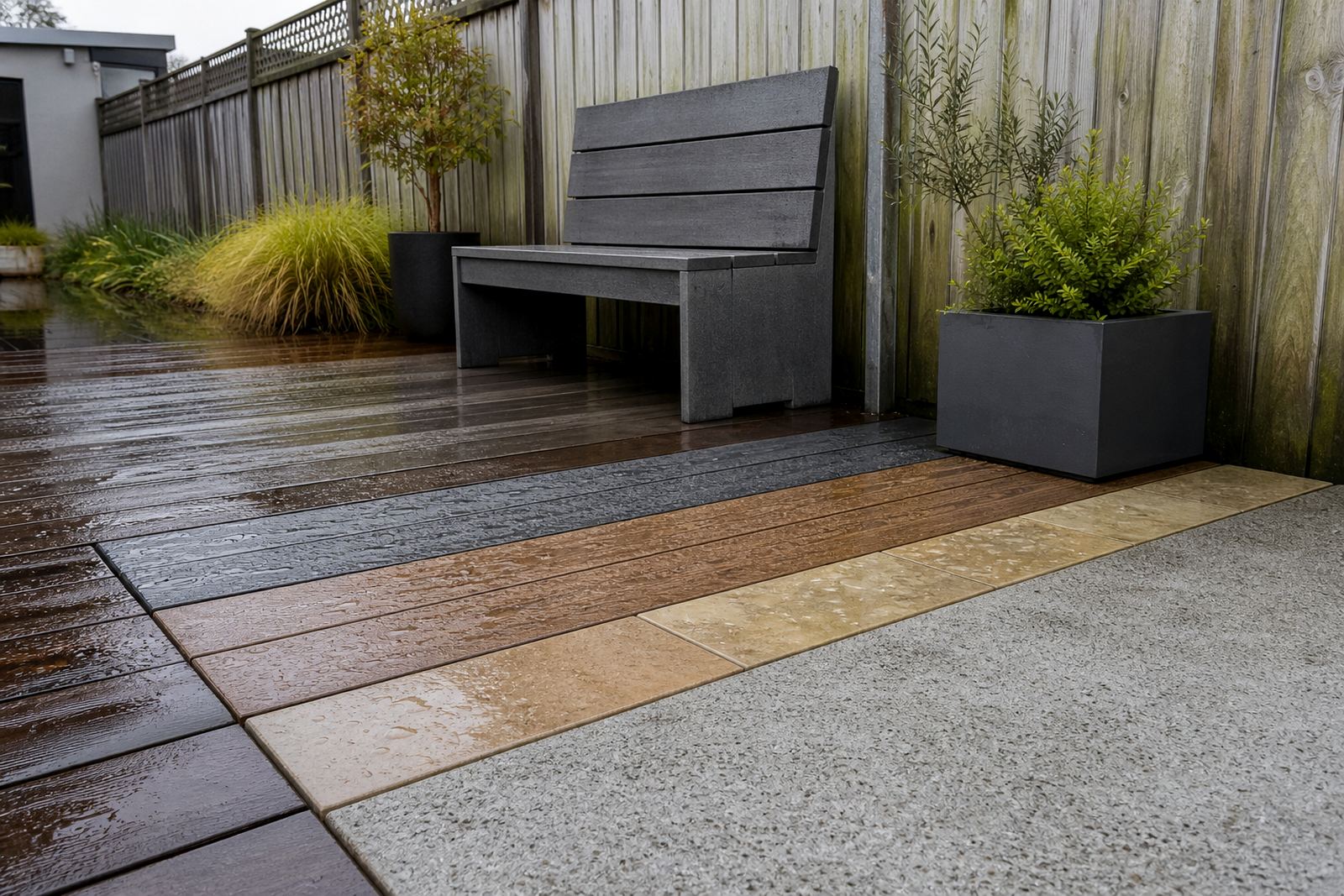
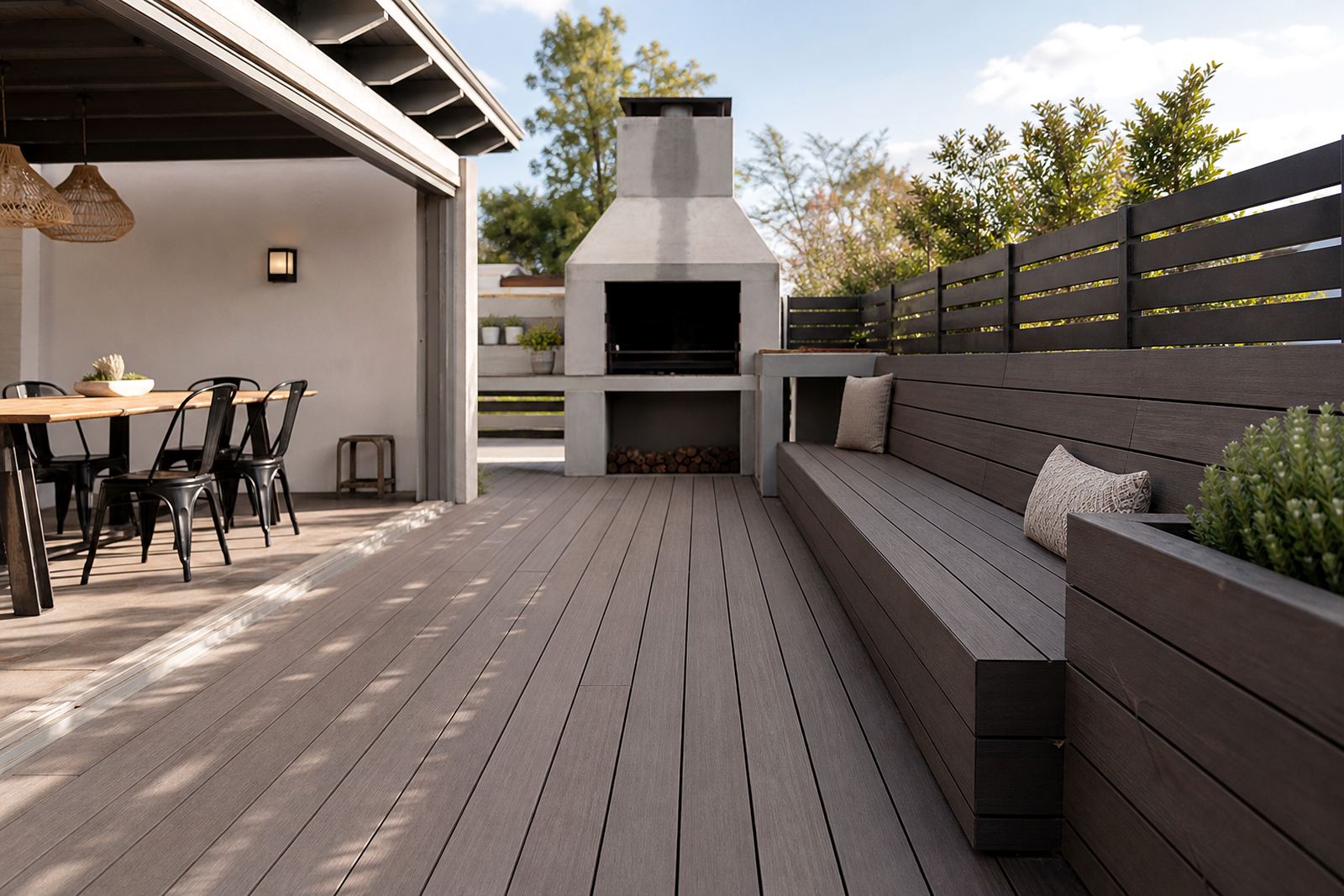
- Do you need matching bench and deck finishes across the area?
- Will future refurbishment or part replacement be needed on the same site?
When those basics are clear, it is easier to choose a bench style that fits the space and the budget plan without extra complications. That practical approach is what keeps shared areas usable over the long term.