Boardwalks That Work at Busy Reserves and Quiet Trails
Nature sites ask a lot from any outdoor surface. Visitors come with wet shoes, sand, prams, walking sticks and sometimes bicycles, while the site itself may face wind off the sea, summer heat, winter rain and the occasional flood wash. Recycled plastic lumber decking is a practical choice for these places because it does not take on moisture the same way timber does, and it is well suited to exposed sites where maintenance access is not always easy.
For reserves, picnic areas and coastal lookouts, the usual brief is simple: create a surface that is safe underfoot, looks tidy and can be cleaned without special treatment. We work on projects in Cape Town, Stellenbosch, George, Johannesburg and Durban, as well as Paarl, Somerset West and Bellville, with delivery arranged nationwide. Since 2009, our focus has been to help site teams choose materials that suit the conditions rather than chase a short term fix.
The most common installation pattern is raised decking on a prepared frame for boardwalks, stepping areas and small platforms. That keeps the walking surface off damp ground and helps with drainage after heavy rain. It also makes it easier to manage level changes around dunes, slopes and uneven ground, where a simple slab would be disruptive or hard to maintain.
Typical Equipment Sets for Nature Site Projects
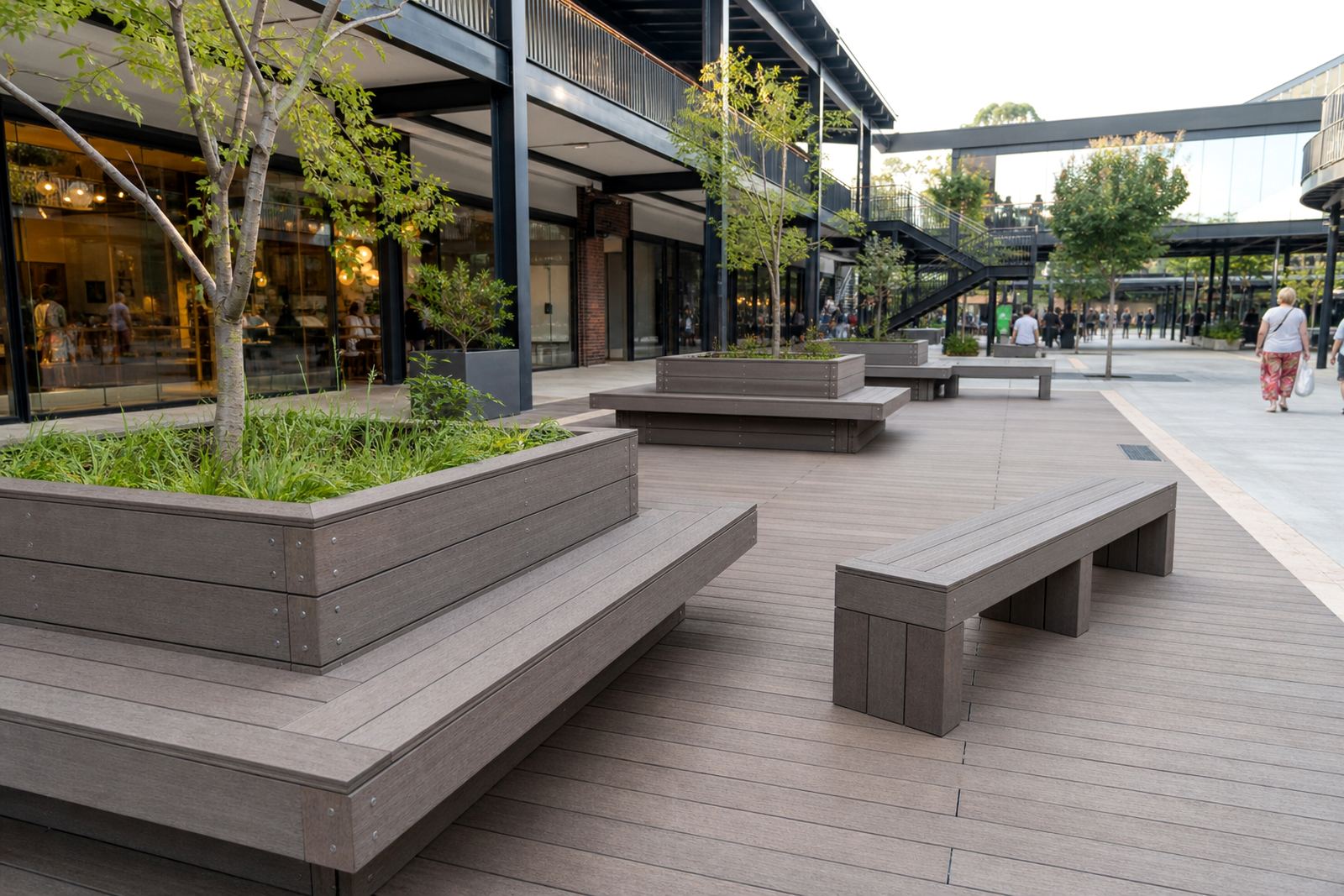
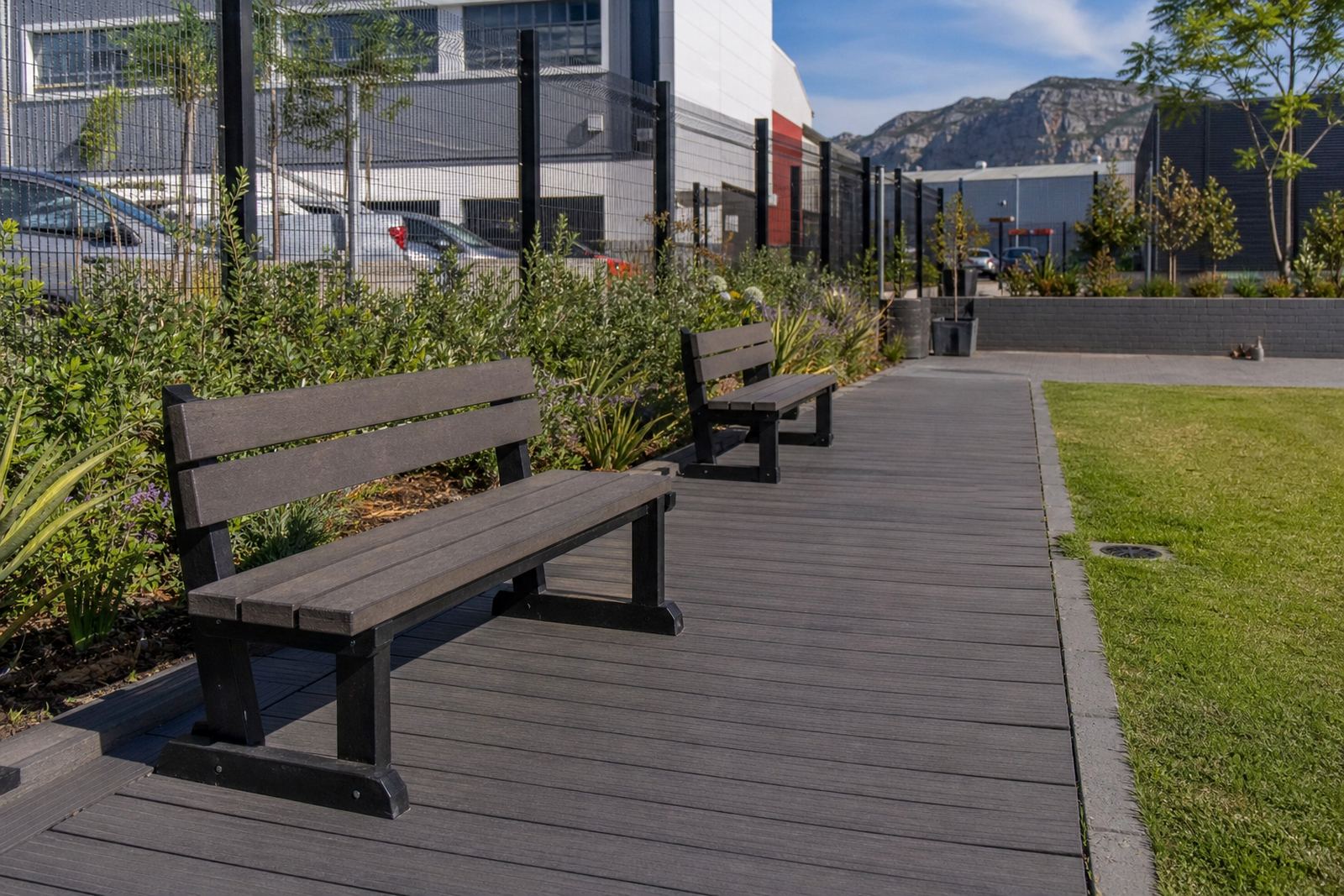
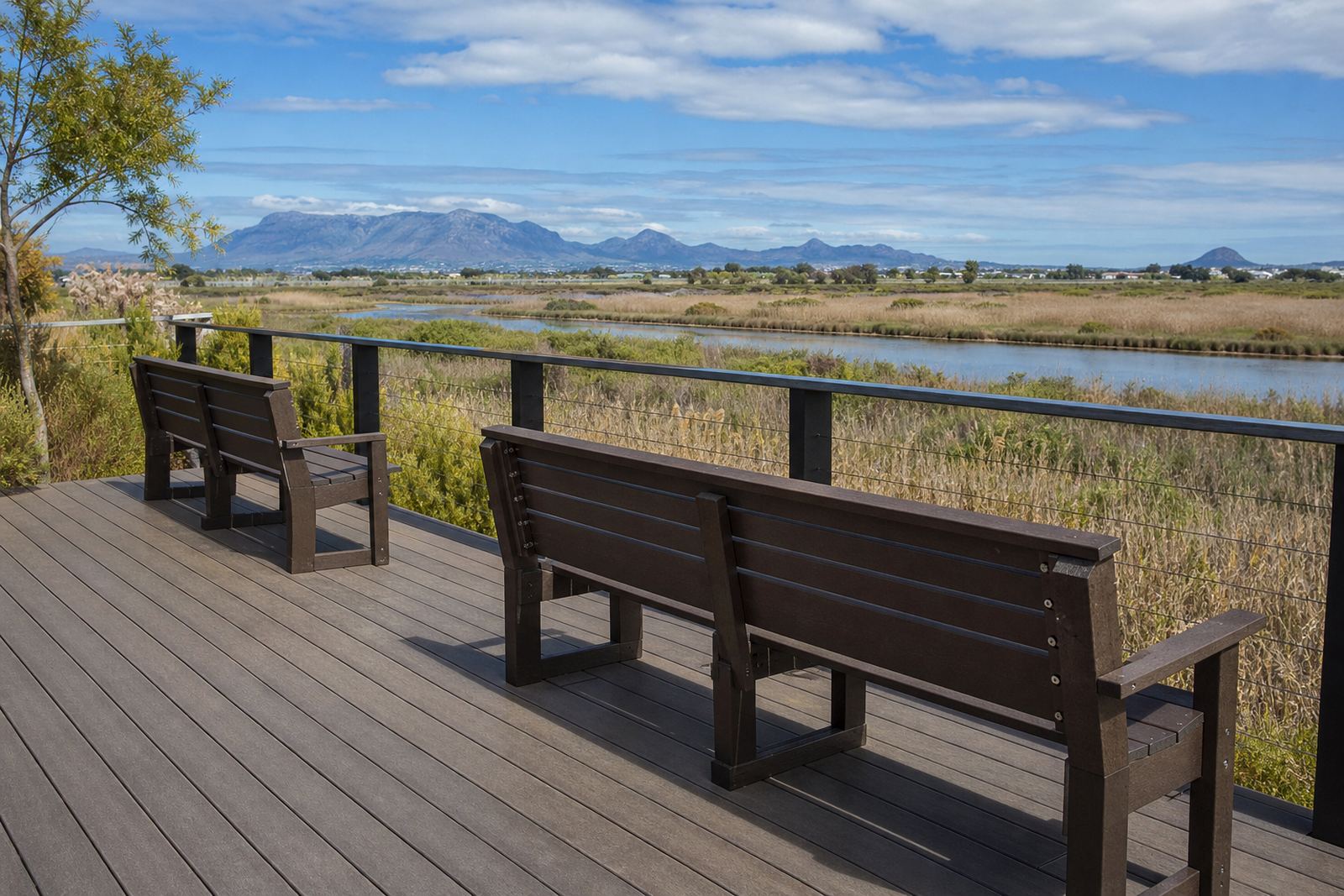
Every reserve or trail site is different, but the usual mix is straightforward. Decking is used for walkways, platforms and viewing areas, while benches create resting points at scenic stops, picnic zones and entry nodes. On the ground, the set can also include edge trims, ramp transitions, replacement components and small repair sections for worn boards or broken seating parts.
- Boardwalk decking for short access runs and longer trail links
- Benches for picnic spots, bird hides and lookout points
- Edge finishing for neat terminations and safer side details
- Replacement boards, slats and fittings for damaged sections
- Refurbishment work where the frame is sound but the surface is tired
Because nature sites often have different ownership or management layers, we also help with trade support and material quoting for contractors, conservation teams and maintenance crews. Bianca Fourie handles project coordination, while Thabo Molefe oversees production flow and Jason Petersen manages installation planning. That helps keep the sequence clear when a site needs work done in stages and access is limited.
Layout and Planning Advice for Public Footfall
Good planning matters more at nature sites than at almost any other setting. A boardwalk that is too narrow can create bottlenecks at popular viewing points. A bench placed in the wrong spot can block a path or face the wrong direction for the view. Before any material is quoted, site measures and layout planning should account for how people move, where they pause and where water tends to collect.
On coastal sites in places like Durban or the Cape Peninsula, airflow and moisture can affect how fast surfaces dry after rain or mist. In inland sites near Johannesburg, dust and heat may be the bigger issue. Either way, the layout should allow enough clearance for cleaning equipment and maintenance access, especially where municipal rules or reserve management plans call for defined walk lines and safe public circulation.
For benches, height and spacing should suit the setting and the users. Shorter trail rests need a different approach from long picnic rows or viewing stops with open sightlines. It is also worth thinking about anchoring, drainage, and how the unit will be cleaned after busy weekends or school holidays. A little planning at the start saves repeat repairs later, and often keeps the project within budget.
- Map visitor movement before choosing final lengths and turning points
- Leave room for cleaning, pruning and occasional repairs
- Check slope, runoff and any soft ground before setting the frame
- Place benches where views, shade and access all make sense together
Common Mistakes on Reserve and Trail Fit-Outs
One common mistake is to treat a nature site like a suburban patio. Public reserve conditions are harsher. Boards can be walked on by dozens of people a day, sometimes with sand, grit and wet footwear that wear surfaces down. If the material choice is too light, or the frame is poorly spaced, the finish can shift, squeak or open up unevenly over time.
Another mistake is ignoring the maintenance reality. If a bench is placed where grass cutters cannot reach or where mud splashes every week, it will need more attention than the team may have planned for. The same applies to boardwalk edges near drainage lines. If the design does not let water pass freely, the site may start to hold moisture and the surrounding ground can deteriorate.
For public-facing projects, it is also wise not to overcomplicate the detail. Simple, well-finished components are often easier to keep clean and safer for visitors. Leave the fancy touches for places where there is space and budget for them. For many trails and viewing stops, neat lines and sound fixing methods do the job properly.
Budget Ranges for Nature Site Work
Budgeting for boardwalks and benches depends on the size of the site, the amount of preparation required and whether you need new installation or refurbishment of an existing setup. Smaller picnic-point seating work is usually far less involved than a longer trail link that needs careful levelling, edging and delivery coordination. If the project is in a remote area, transport and site access can also affect the final figure.
As a working guide, small bench supply or replacement projects may sit in a lower budget band, while larger boardwalk sections move into a higher one because of frame work, site measures and installation time. Refurbishment can often be more economical than full replacement if the support structure is still sound. For many nature sites, the best value comes from phased work, starting with the busiest areas first.
When clients send an enquiry through the contact page, Leanne Naidoo and Anele Mkhize can help gather the basics needed for a useful quotation. That usually means the site location, the length or quantity required, the condition of the existing structure and any timing constraints. The more accurate the first site measure, the easier it is to keep the budget under control.
- Small bench supply or replacement work: lower budget band
- Short boardwalk or viewing stop: mid budget band depending on access
- Longer trail sections, refurbishment or staged rollouts: higher budget band
- Remote delivery or difficult terrain can add to the total
Delivery, Installation and Ongoing Care
Nature sites need practical coordination, especially when work has to happen around visitors, weather windows or conservation restrictions. Sibusiso Dlamini handles logistics planning so deliveries can be timed around access limits, and Jason Petersen sets the installation sequence so the site is not cluttered longer than needed. For clients in Cape Town, Stellenbosch, George, Johannesburg, Durban and surrounding areas, that means a cleaner handover and less disruption on the ground.
Once the decking or bench is in place, care is usually straightforward. Regular sweeping, rinsing when needed and checking the fixing points will go a long way. If a section takes damage from misuse or a heavy impact, component replacement can often solve the issue without removing the whole structure. That is one reason recycled plastic lumber suits public spaces so well: it supports sensible maintenance rather than constant restoration.
For reserves, trails and picnic stops, the aim is not just to install something that lasts. It is to fit equipment that respects the setting, keeps visitors moving safely and stays manageable for the team responsible for the site. That is the practical standard we work to on every nature site project.