
Start with a simple cleaning routine
For everyday care, sweep off sand, leaves and grit before they get rubbed into the surface. A soft broom or a low pressure rinse is usually enough for most outdoor areas, especially on patios, walkways and pool surrounds where dust and pollen build up quickly.
Wash with warm water and a mild soap, then rinse well. Avoid harsh solvents, strong acids and abrasive pads because they can dull the finish or leave marks. If the surface is near the coast, a regular rinse helps remove salt film and keeps the material looking cleaner for longer.
- Sweep weekly in busy areas, especially after windy days.
- Rinse after coastal salt spray or heavy rain.
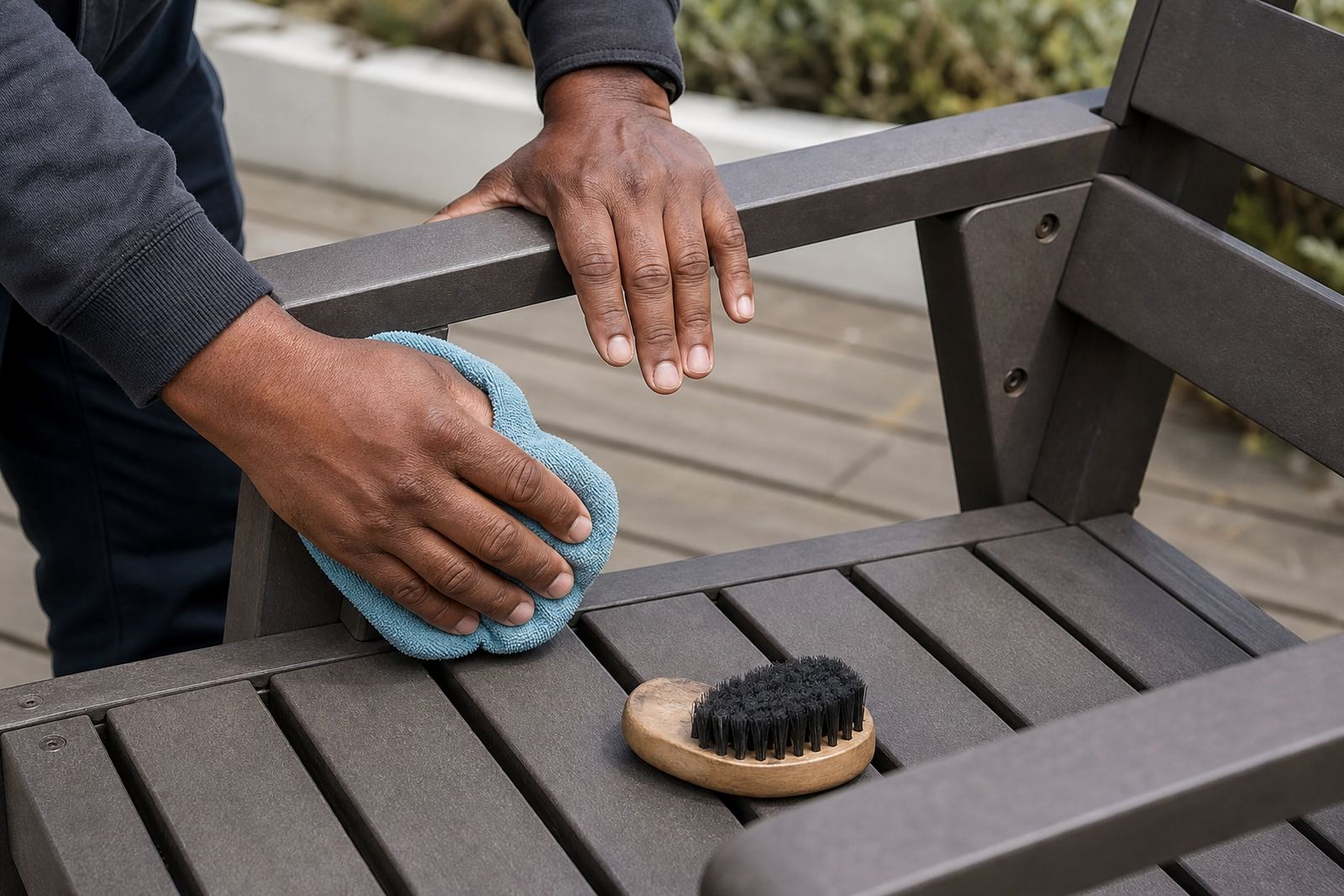
- Use a soft cloth or mop for benches and smaller sections.
- Dry puddles if the area stays wet for long periods.
Deal with stains before they settle
Food spills, tannins from leaves, sunscreen and bird droppings are best handled soon after they happen. Wipe away loose material first, then use warm soapy water and a soft brush if needed. Most marks come off with light pressure, so there is no need to scrub hard.
For stubborn spots, let the cleaning solution sit for a few minutes and then rinse. If a mark stays behind, repeat the process rather than moving straight to harsh cleaning products. A little patience goes a long way here, and it helps avoid unnecessary wear on the surface.
- Remove organic debris quickly to prevent staining.
- Test any stronger cleaner on a small hidden area first.
- Rinse thoroughly so no residue is left behind.
- Do not use wire brushes or steel wool.
Check fixings, supports and edges every few months
Outdoor products should be checked now and then, especially after strong wind, heavy use or seasonal changes. Look at joints, brackets, screws and supporting frames to see whether anything has worked loose. On benches and decking, small movement at one point can create squeaks or uneven wear if it is left alone.
Pay attention to edge pieces and ends, because these areas take knocks from trolleys, shoes and cleaning tools. If you notice a loose component or an edge that has lifted, sort it early rather than waiting for the problem to spread. That small check can save time later, and it keeps the installation safer for daily use.
Look after benches in public and private spaces
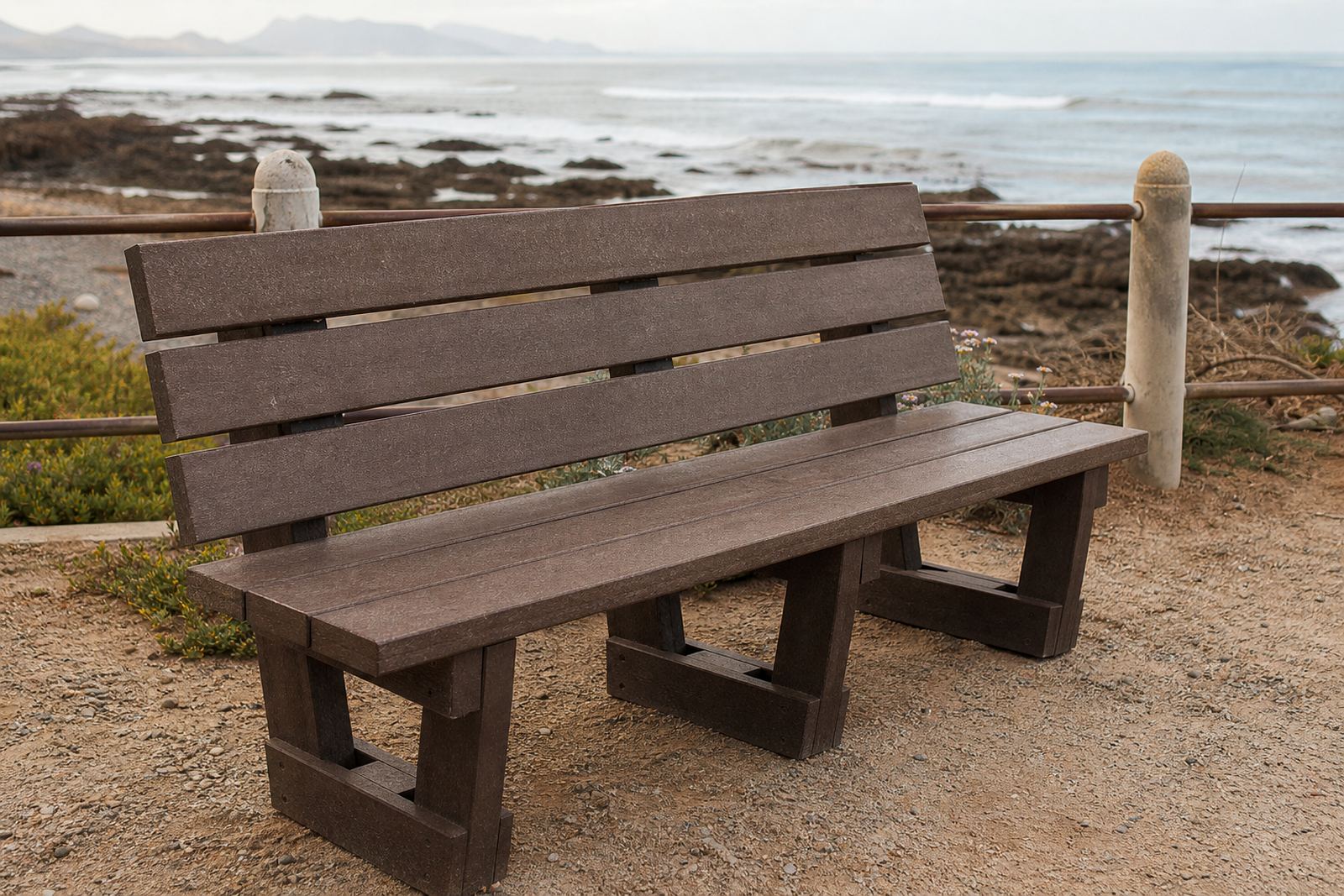
Benches need regular care in schools, gardens, courtyards, estates and commercial entries where people sit, rest bags or lean bikes against them. Wipe them down more often in high traffic areas, and check for chewing gum, paint splashes or scuffing from shoes and luggage.
Where benches are fixed to a base, make sure the area below stays clear of standing water and trapped litter. In coastal or humid areas, this is especially useful because damp conditions can encourage dirt to stick. A clean bench always looks better, but it also makes daily upkeep simpler for staff.
- Clean armrests, seat tops and backrests together.
- Check anchor points after public events or busy weekends.
- Keep grass clippings and mulch away from the base.
- Report cracked or damaged components early for replacement.
Protect decking from avoidable wear
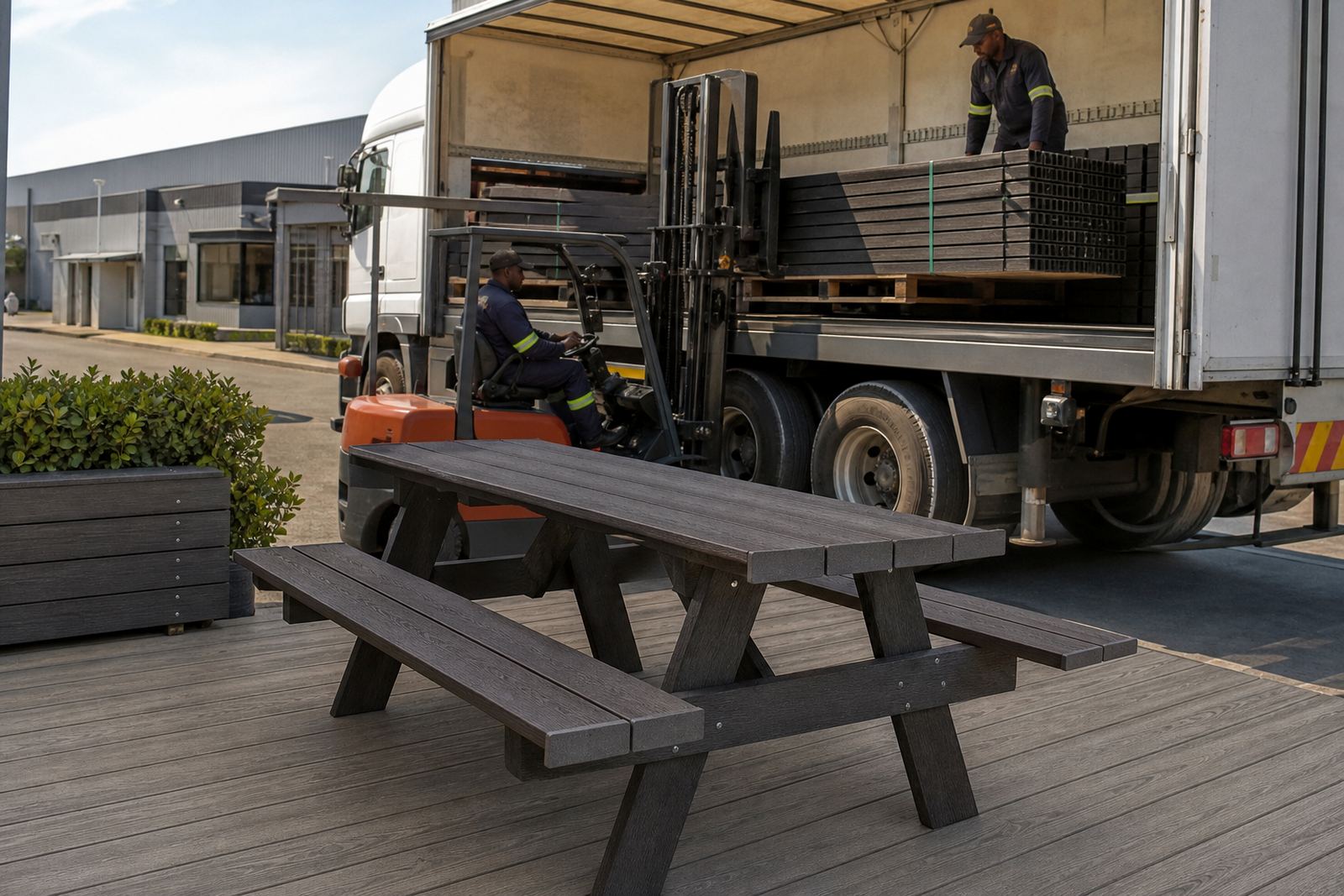
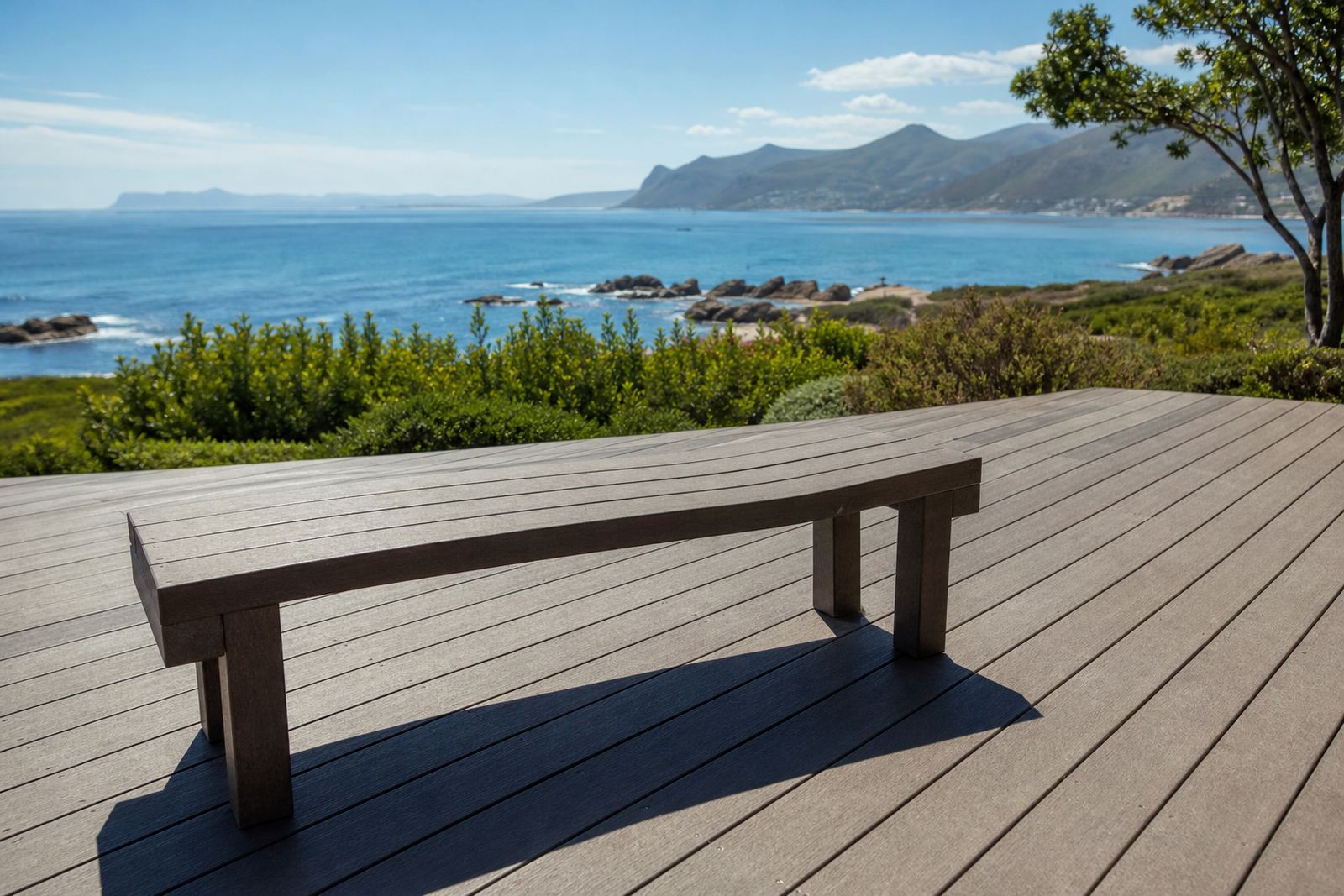
Recycled plastic lumber decking is low maintenance, but it still benefits from sensible use. Place mats or pads under heavy planters, braais, equipment stands and other items that sit in one spot for long periods. This helps reduce concentrated pressure and gives the surface a cleaner look.
Try to keep sharp metal feet, dragging furniture and rough tools off the deck where possible. If you need to move heavy items, lift them rather than sliding them. That simple habit helps preserve the finish and reduces the chance of scuffs, even in busy homes or hospitality spaces.
When refurbishment or part replacement makes sense
Not every issue means a full replacement. Many decks and benches can be brought back into good condition with refurbishing work, a replacement component or a clean-up of edge finishes. This is often the better option when the main structure is still sound but one area has taken extra wear.
If you are unsure what level of work is needed, our team can help with practical advice based on the condition of the installation and how it is used. For sites in Cape Town, Stellenbosch, George, Johannesburg, Durban, Paarl, Somerset West and Bellville, it helps to give a clear description of the problem and any photos through the enquiry form, so the next step is easier to plan.
- Choose refurbishment when the main structure is still in good shape.
- Replace only the worn component if the rest is serviceable.
- Ask for care advice after installation so the routine stays simple.
- Keep a note of problem areas for future maintenance checks.