
Recycled bench slats for practical outdoor seating
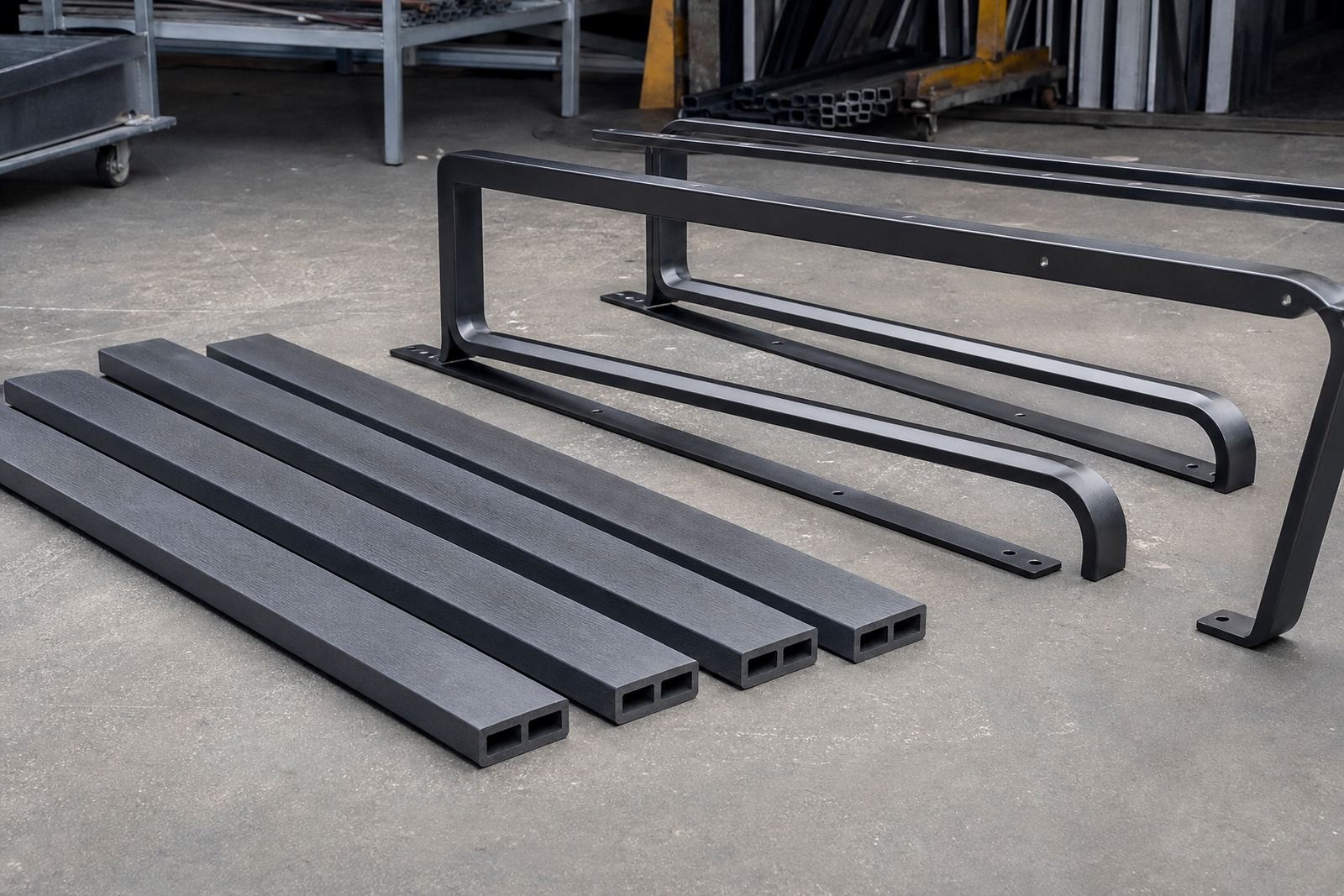
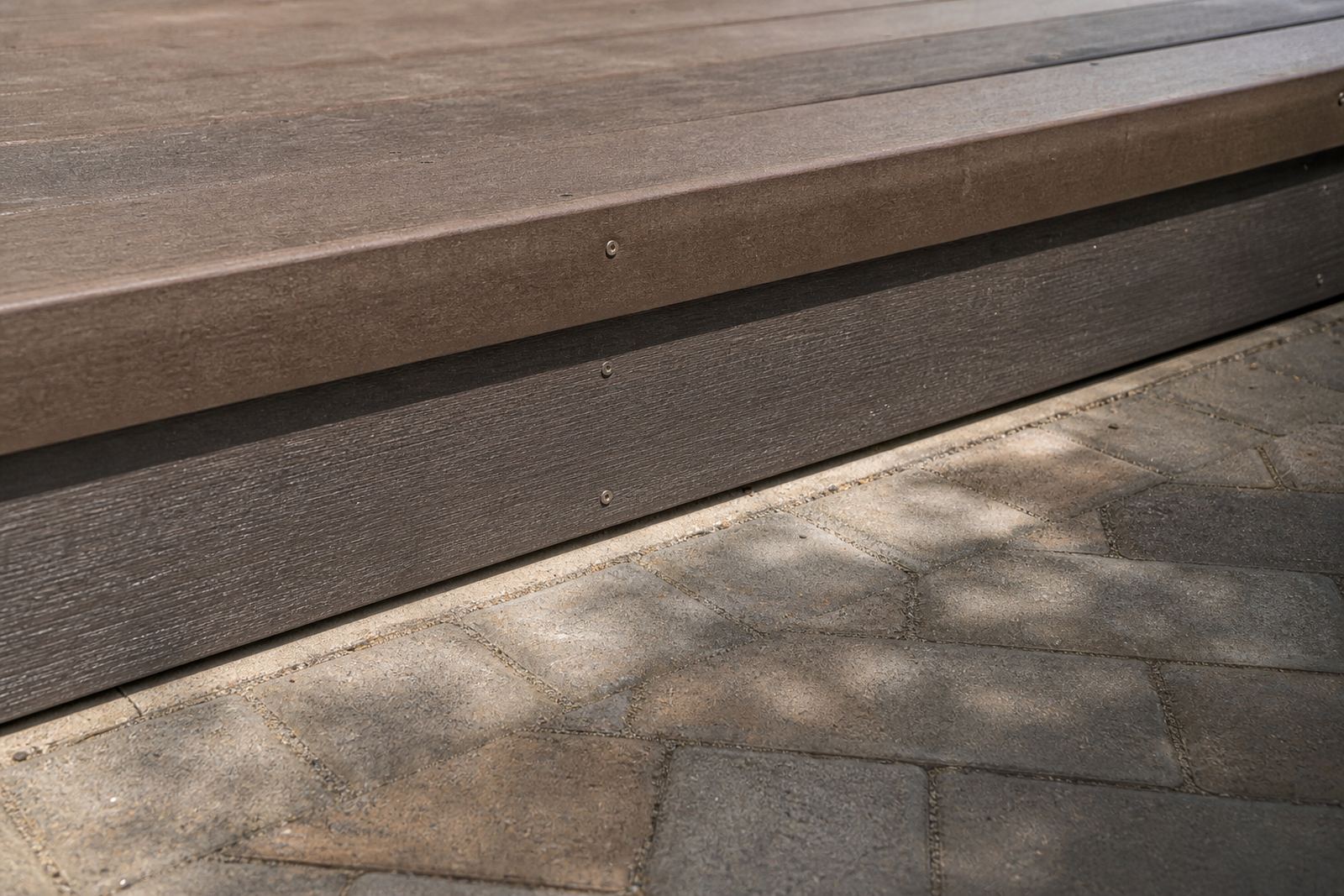
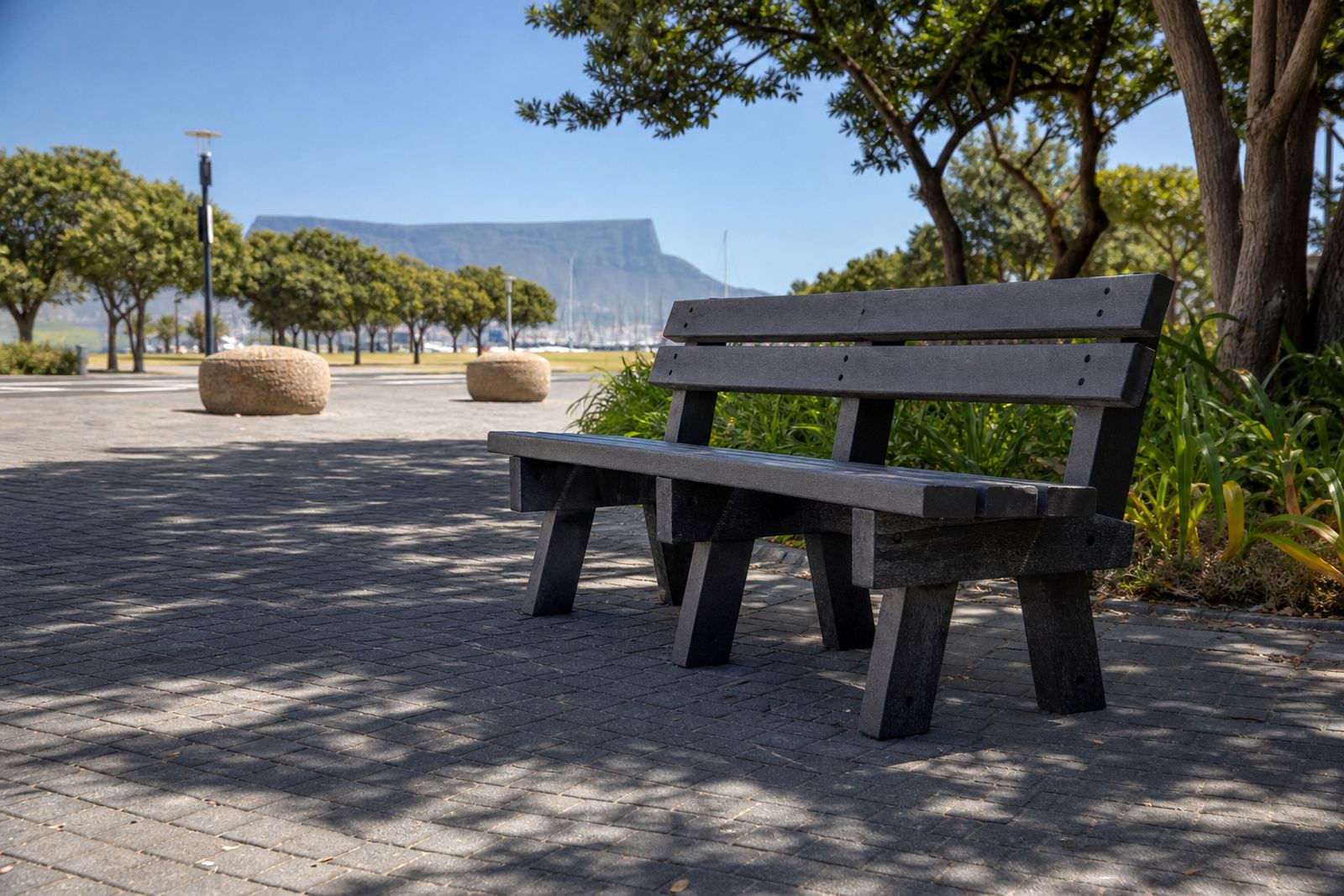
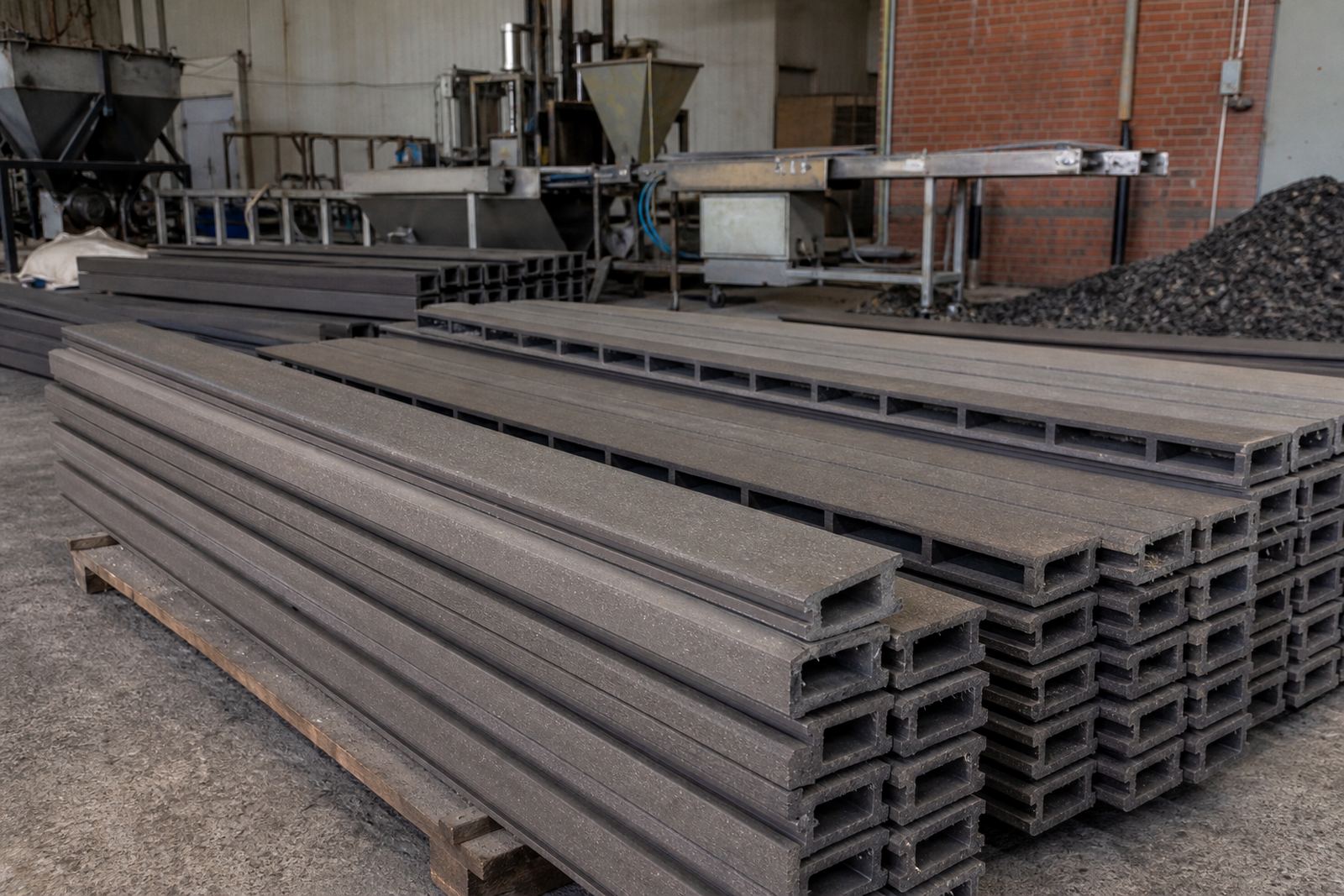
Bench slats are the long, straight members used to form the seat and backrest of a bench. Plastimber supplies them in recycled plastic lumber, which gives a neat timber look without the common problems that come with untreated wood, like splitting, rot, swelling and frequent repainting. For parks, schools, body corporates, retail centres, municipalities and private homes, that means a seat that stays serviceable with less day to day attention.
The material is suited to Cape Town salt air, Durban humidity and inland sun exposure. It does not need oiling to keep its shape, and it handles wet conditions better than many timber options. There is still a practical side to it though: correct spacing, support and fixing are important. A good bench build is not only about the slat itself, it is about the frame, the fasteners and how the whole seat is set out.
Plastimber works from Paarden Eiland, Cape Town, and supplies bench slats across South Africa, including Stellenbosch, George, Johannesburg, Durban, Paarl, Somerset West and Bellville. Projects can range from a small garden bench to larger commercial seating runs, so the right slat profile and fixing method depend on where the bench will stand and how often it will be used.
Sizes, profiles and finish choices that suit the job
Bench slats are usually selected by width, thickness, length and edge profile. Some jobs need wider slats for a solid visual line, while others work better with narrower pieces that give more flex and allow drainage. The exact sizes depend on the bench design, the frame spacing and whether the slats are being used for a seat, a backrest, or both. On public seating, a consistent finish helps with comfort and appearance, especially where benches are grouped along walkways, courtyards or waiting areas.
- Seat slats for straight or curved bench runs
- Backrest slats for simple upright support
- Single replacement slats for repair work
- Full sets for new bench builds or refurbishments
- Custom cut lengths where the site calls for it
Because recycled plastic lumber is worked as a building material rather than a decorative trim, small variations in grain and colour tone can appear from batch to batch. That is normal and often preferred on utilitarian outdoor furniture. If the bench will be installed in a highly visible place, ask for advice on grouping slats so the appearance stays balanced across the full length.
Where bench slats suit best in South African settings
These slats suit places where people sit often and maintenance must stay manageable. Think school yards, municipal walkways, sports clubs, church grounds, office courtyards, hospitality decks, residential estates and public gardens. They are also useful for replacement work where older timber slats have failed but the bench frame is still sound. In many cases, swapping the slats rather than replacing the whole bench is the more practical option.
Outdoor seating in South Africa has to deal with strong sun, summer storms, windblown grit and coastal moisture. Recycled plastic bench slats handle these conditions well, which makes them a good fit for towns like George and Cape Town as well as inland sites in Johannesburg. They are also useful where cleaning must be quick, such as transport stops, visitor areas and shared common spaces. For private homes, they give a clean finish around braai areas, patios and poolside spaces without the upkeep that wood usually needs.
For heavy public use, it is worth checking the frame condition and footing before ordering new slats. A good slat cannot compensate for a bent frame or loose base, so a proper site look helps avoid problems later on.
Installation, fixings and what the bench needs on site
Bench slats are fixed to a supporting frame using suitable mechanical fasteners. Depending on the bench design, installation may require drilling, trimming and careful alignment so the seat lines up properly and the gaps remain even. For larger projects, site measures and layout planning help keep the fixing pattern consistent from bench to bench. That is especially important in commercial settings where one uneven run stands out quickly.
There are no special power or gas needs for the slats themselves, but installation tools are usually needed on site. A standard fitting job may call for measuring tools, drills, bits, cutters and the right fasteners for the frame material. If the bench is being built or refurbished in a place with limited access, think about delivery route, lifting space and where the work will be carried out. In some complexes and municipal areas, working hours and access controls matter as much as the material choice.
- Check the frame is straight and stable before fitting
- Allow for drainage and cleaning gaps between slats
- Use fixings that suit the bench frame material
- Confirm overall length, seat depth and backrest height
- Plan for edge finishing where the ends are exposed
Care, cleaning and refurbishment over time
Recycled plastic bench slats are made for low maintenance use, but they still benefit from basic care. Routine washing with water and a mild cleaner is usually enough for dust, bird droppings and general grime. In coastal areas, regular cleaning helps remove salt build-up. On busy sites, a quick inspection now and then will show if a fastener has loosened or if a frame member needs attention. That kind of check is simple, but it keeps the bench safe and serviceable.
If a bench has taken damage from impact, vandalism or years of hard use, refurbishment can be a sensible fix. That may include component replacement, edge finishing, or fitting a new set of slats while keeping the useful parts of the structure. Because the material does not need painting or sealing in the same way as timber, servicing is usually more about cleaning and hardware than surface treatment. Still, if the bench is in a harsh spot, it is wise to inspect it after storms or any period of heavy use.
Plastimber also supports trade clients who need bench refurbishment work across Cape Town, Stellenbosch, Somerset West, Bellville, Paarl and other South African sites. Keeping a few spare slats on hand can make future repairs faster and less disruptive.
What to confirm when placing an order
Before ordering bench slats, it helps to confirm the exact use and site conditions. A replacement slat for a small garden bench is not the same as a set for a public seating run in a busy outdoor area. The team can assist with site measures, material quoting and delivery coordination, but the clearer the brief, the smoother the job. That saves time at the fitting stage and reduces the risk of mismatched lengths or spacing.
- Bench type: seat only, backrest only, or full bench set
- Overall lengths and the number of slats needed
- Frame material and fixing method already in place
- Exposure: coastal, inland sun, sheltered courtyard or high traffic public area
- Whether you need new slats, refurbishment, or component replacement
- Delivery site and any access limits, loading bay rules or timing issues
For enquiries, clients use the form on the contact page, and the team can then follow through with the right project details. With a base in Paarden Eiland and delivery across South Africa, the focus is on giving you bench slats that fit the job and hold up over time, not just a quick supply.
Key facts
| Material | Recycled plastic lumber |
|---|---|
| Use | Bench seat and backrest slats |
| Typical setting | Outdoor public and private seating |
| Maintenance | Low maintenance, simple cleaning |
| Installation | Mechanical fixing to a suitable frame |
| Supply area | Cape Town, Stellenbosch, George, Johannesburg, Durban and nationwide |