What Boardwalk Boards Are Made For
Boardwalk Boards are long decking members used to form walking surfaces in outdoor areas where people move in a straight line or along a planned route. They are commonly used for nature reserves, hospitality walkways, school grounds, residential gardens, public access paths and commercial spaces that need a clean, practical finish. In Cape Town and other coastal towns, recycled plastic lumber is often chosen because it handles damp air, salt and regular wash-downs better than many timber options.
These boards are not made for decorative use only. They are selected for real wear: foot traffic, rain, sun, sand and the odd trolley or service cart. Because the material does not behave like sawn timber, it is easier to keep straight over time, and it does not need sanding or sealing in the same way. That makes it useful for projects where maintenance crews are already stretched and access can be limited.
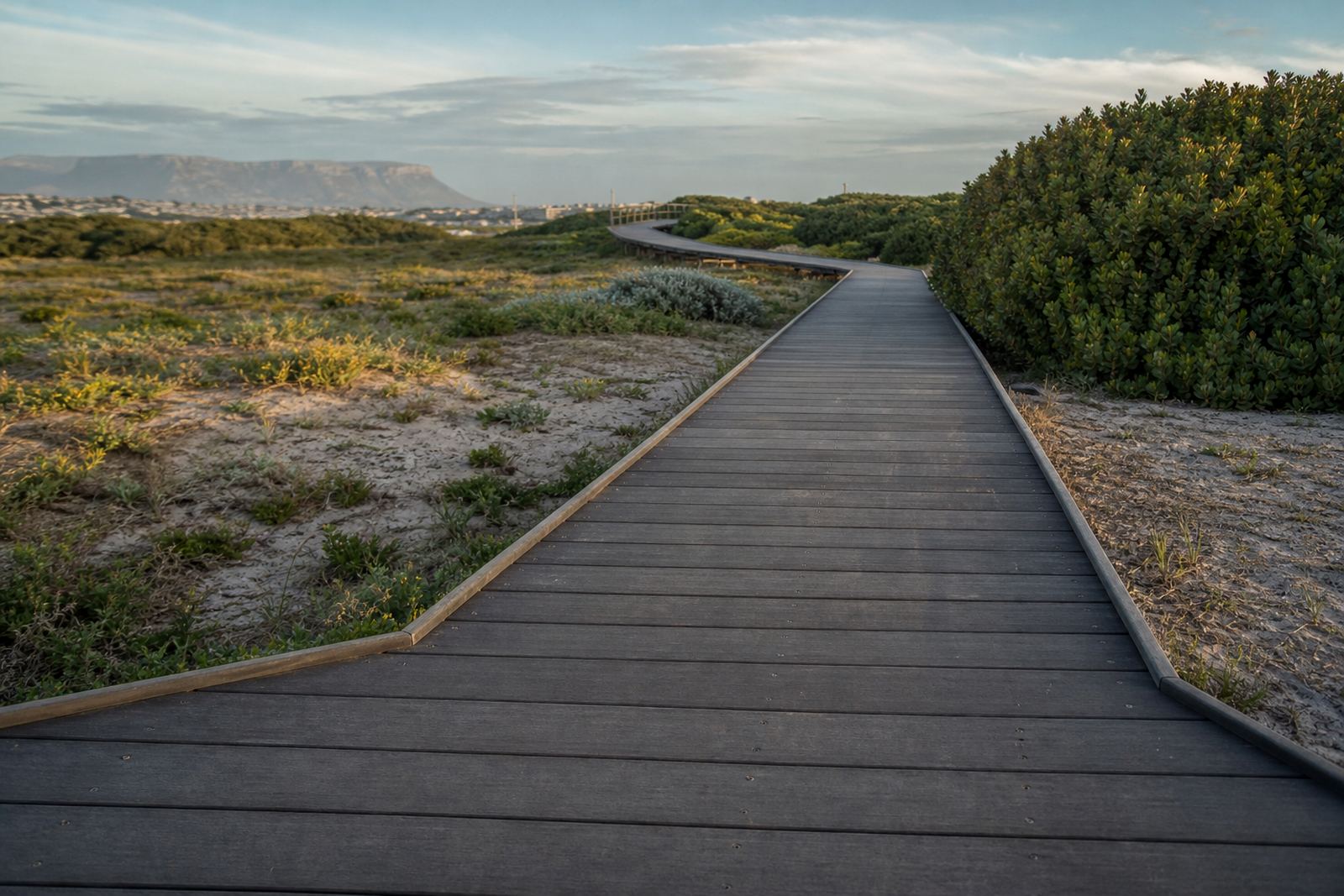
For boardwalk-style routes, the look is neat and consistent. The surface can be laid to create a clear path through a garden, along a dune edge, around a pool area or between buildings. In visitor spaces, this helps guide movement while keeping the ground below less disturbed.
Sizes, Profiles and Finish Options
Boardwalk Boards are supplied in standard lengths and section sizes suited to site-built decks and paths. Typical profiles include solid boards and shaped profiles for better grip or for concealed fixing systems, depending on the detailing required. The exact size selected depends on the span, the subframe design and the look the client wants on completion.
- Standard board widths for walkway layouts and boardwalk strips
- Multiple thickness options for light-use and heavier-use settings
- Lengths suited to site cutting and modular installation
- Colour options that work with natural surroundings or built environments
- Matching edging pieces and trims where a cleaner border is needed
For most projects, the decision comes down to how the boards will be supported underneath and how often the area will be used. A small private garden path will not need the same section choice as a public promenade or a hospitality access route. We can help with layout planning, board count and ordering so the set-out matches the actual site dimensions and wastage stays under control.
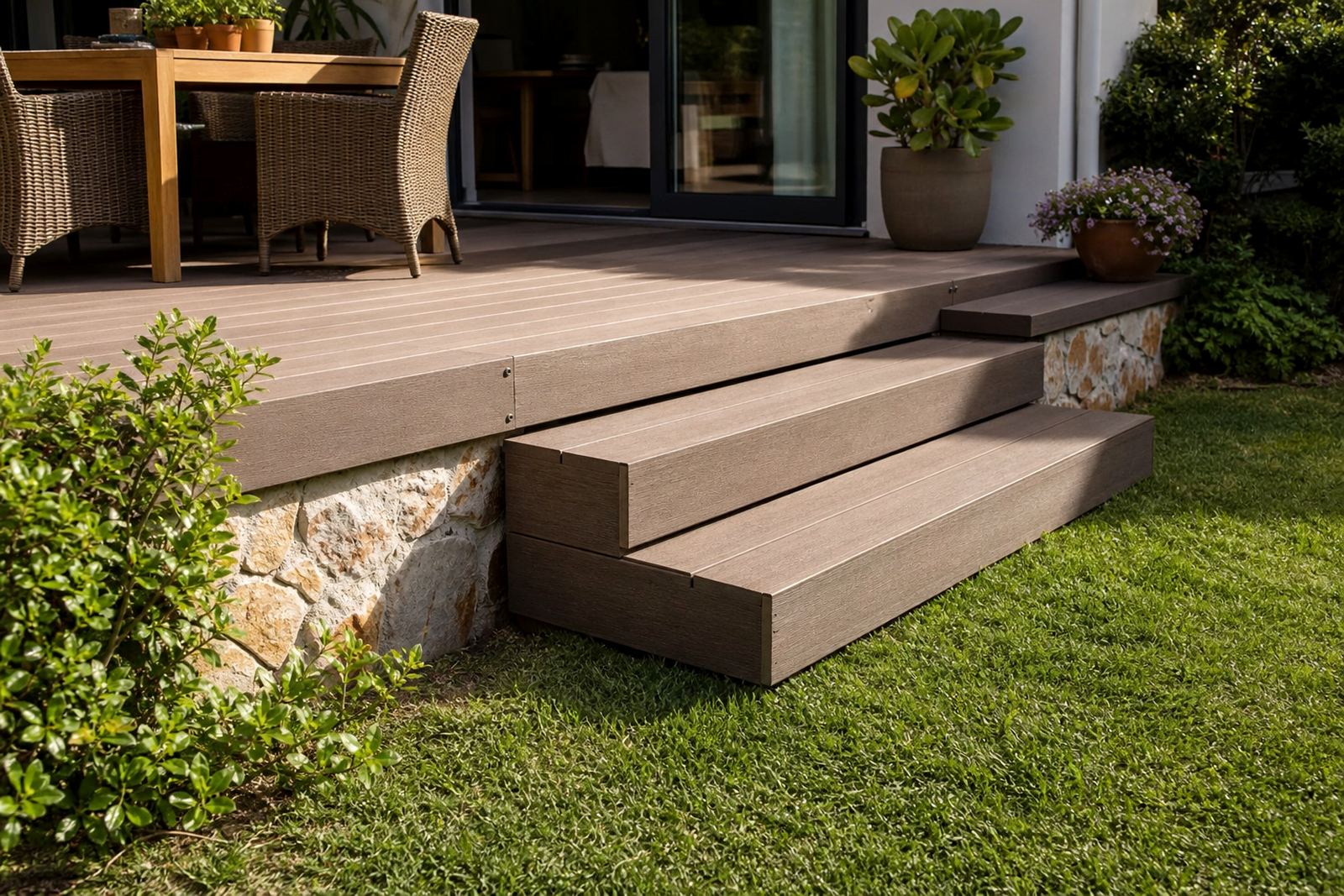
Because recycled plastic lumber can be cut on site, adjustments around posts, curves and junctions are manageable. That said, careful measuring matters. If the walkway includes stairs, ramps or stepped access, the board size and fixing pattern need to be planned before material is ordered.
Where Boardwalk Boards Suit Best
These boards suit outdoor areas that need a defined walking surface and regular use without constant repairs. They are a good fit for coastal properties, lodge paths, municipal walkways, nursery access routes, hospitality terraces and landscaped areas where rainwater or irrigation may keep timber damp for long periods. In Durban and George, the extra moisture in the air makes durable, low-care materials a practical choice.
They are also used where appearance matters but the site needs a material that can cope with people coming and going all day. A boardwalk route can link a parking area to an entrance, carry guests through a garden, or provide a viewing strip along a pool, riverbank or planted verge. In commercial settings, that clean path helps direct foot movement and keeps surrounding beds and soil from being trampled.
For projects near the coast, the boards are useful because they are not prone to rot in the same way as timber. For inland towns like Johannesburg and Pretoria, they are useful where a site wants a tidy finish without the cycle of staining, cracking and patch repairs that timber can bring. They also work well where load-shedding has affected irrigation schedules and landscaping is under pressure, because the walkway itself does not depend on ongoing treatment.
- Visitor routes and nature paths
- Garden walkways and pool surrounds
- Hospitality decks and access strips
- Public realm and municipal pedestrian areas
- Residential side paths and courtyard links
Installation, Tools and Site Requirements
Boardwalk Boards are normally installed onto a prepared subframe with correct spacing, support and fixing details for the span and intended use. The subframe can be timber or another suitable structural system, depending on the job and what the engineer or contractor specifies. Because recycled plastic lumber moves differently from natural wood, installers need to allow for fixing method, temperature changes and the support spacing from the start.
Basic site tools are usually enough for cutting and fixing, but the crew must work neatly. A level base, proper drainage and accurate set-out are important. If the walkway runs over soft ground or across a slope, the support structure becomes even more important. On some sites the installation will need edge restraint, concealed fixings or extra detailing at joints to keep the finished line straight.
Power needs are generally limited to standard cutting and drilling tools. There is no gas requirement for the boards themselves. If the project includes any welding, hot works or powered site works, those fall under the contractor’s normal site controls. On municipal or visitor sites, access windows and safety rules may affect when installation can happen, so it helps to plan delivery and fitting together rather than separately.
Jason Petersen and the installation team can assist with the practical sequence from delivery through to fitment, while Sibusiso Dlamini plans transport to site. For jobs in busy areas like Bellville, Somerset West or Paarden Eiland, timing matters because access can be tight and unloading space limited.
Care, Cleaning and Refurbishment
One of the main reasons clients choose recycled plastic lumber for boardwalk routes is that it needs less routine care than timber. The boards can usually be cleaned with water and a mild detergent, then brushed down to remove sand, dust or leaf matter. In coastal areas, regular rinsing helps remove salt build-up. Where algae or grime appears, a practical cleaning cycle is usually enough to keep the surface usable and looking neat.
The boards do not need staining or sealing in the usual timber sense. That saves time on maintenance days and reduces the number of materials stored on site. If a section is damaged, component replacement may be possible without lifting the entire deck, depending on the layout and fixing method used. That is often helpful for sites that cannot close the full walkway for long periods.
- Check fixings after heavy use or seasonal changes
- Remove sand, leaves and organic build-up before it settles
- Inspect edges and joints where movement tends to show first
- Plan refurbishment early if the walkway is in daily use
- Keep replacement parts matched to the original profile
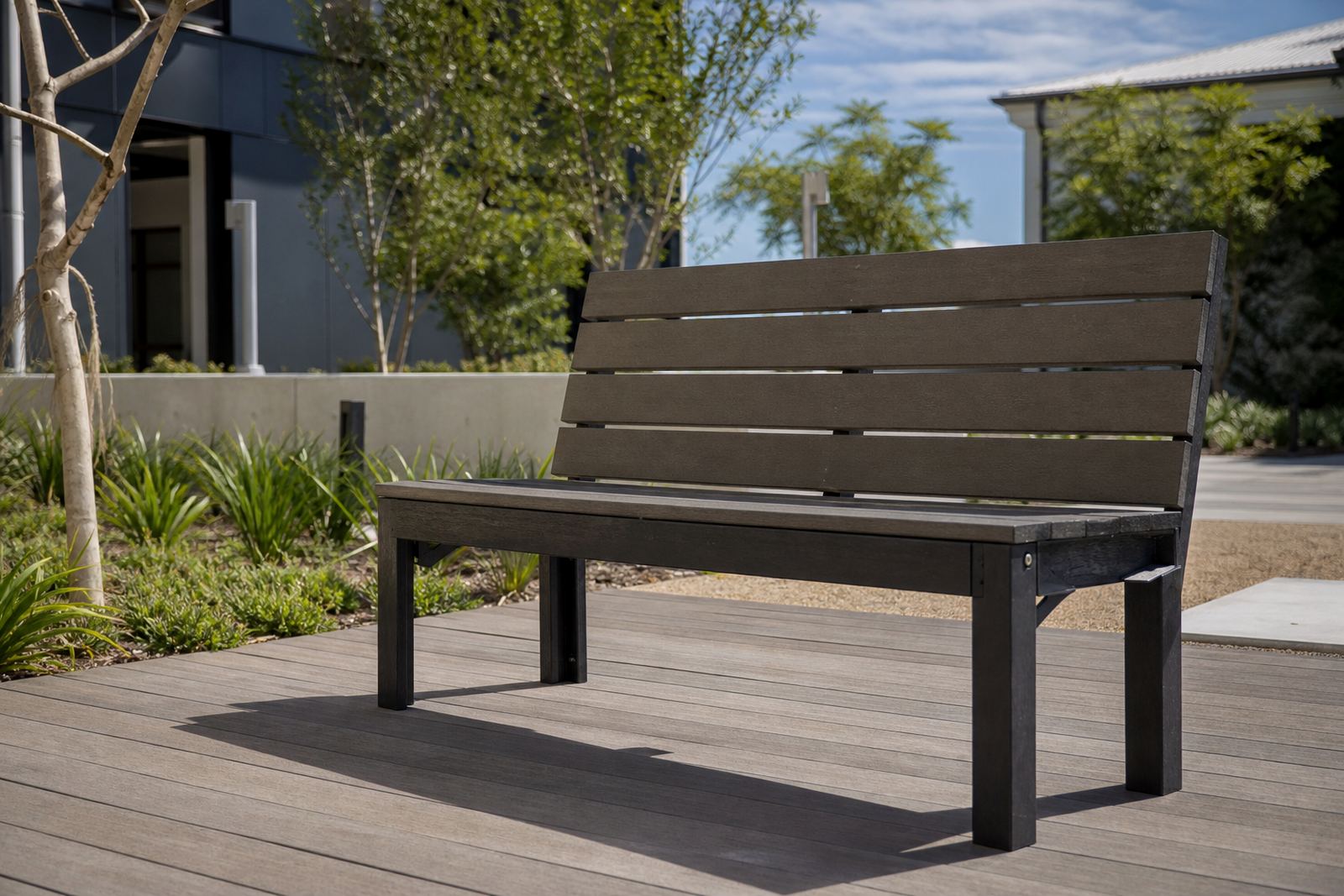
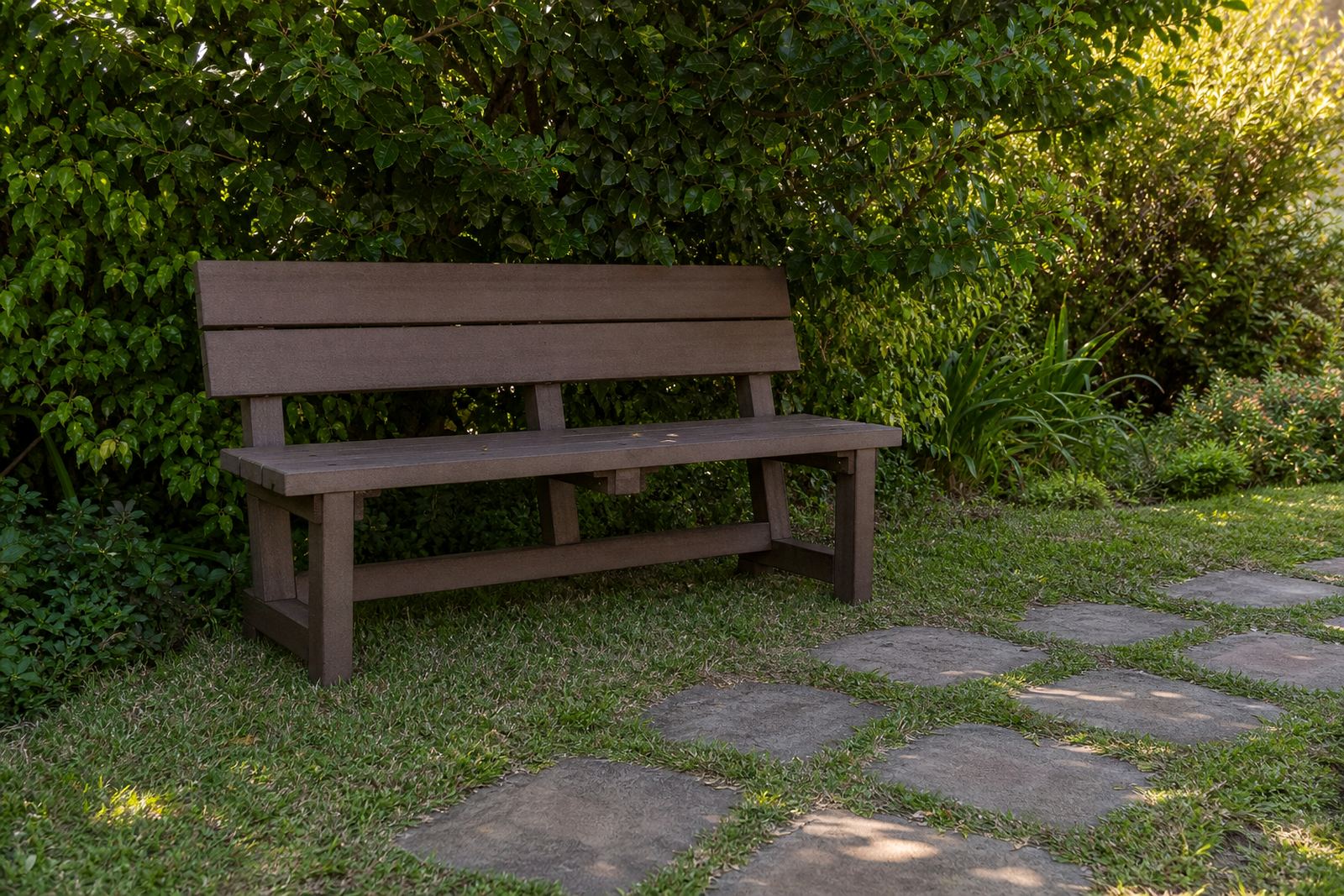
For older installations, bench and deck refurbishment can bring the area back into service without a full rebuild. That is useful for visitor spaces that need to stay open through most of the year.
What to Check Before You Order
Before ordering Boardwalk Boards, it helps to confirm the actual route length, walkway width and any changes in level. Measure the site carefully, then check where the boards will finish against walls, steps, posts or existing paving. If the project includes curves, turns or branch-offs, those details should be drawn into the layout before material is counted.
You should also decide how the boards will be used. A light-use garden path and a public boardwalk do not ask the same things of the material. Think about foot traffic, cleaning access, moisture, and whether carts, trolleys or service staff will use the route. In Durban or other humid areas, drainage and airflow below the deck matter more than many clients expect.
Useful ordering checks include:
- Board length, width and profile
- Colour tone and finish preference
- Subframe spacing and fixing method
- Edge finishing and trim needs
- Delivery point, access restrictions and offload space
Our team handles site measures, material quoting, delivery coordination and trade support from the Paarden Eiland base, with supply into Cape Town, Stellenbosch, George, Johannesburg, Durban, Paarl, Somerset West and Bellville. For enquiries, clients can use the form on the contact page and we will work through the details from there.
Key facts
| Product type | Recycled plastic lumber decking boards for boardwalk-style walkways |
|---|---|
| Typical use | Outdoor visitor routes, garden paths, access strips and viewing walkways |
| Material | Recycled plastic lumber |
| Installation method | Fixed to a prepared support frame with site-specified spacing |
| Maintenance | Wash-down cleaning, fixings checks and selective component replacement |
| Supply area | Delivered across South Africa from Paarden Eiland, Cape Town |