
What recycled plastic deck boards are made for
Recycled plastic deck boards are a practical option for outdoor flooring, walkways and platform areas where timber would need frequent sanding, sealing or replacement. They are made from reclaimed plastic materials formed into deck profiles that can be fixed to a subframe in much the same way as traditional decking, but with far less day to day upkeep.
These boards are often chosen for coastal homes in places like Cape Town, George and Durban, as well as business premises, lodges and body corporates that want a clean finish without the constant attention timber usually needs. In humid areas and in spots that get regular rain, the material is useful because it does not absorb moisture in the same way as natural wood.
Sizes, profiles and finish options
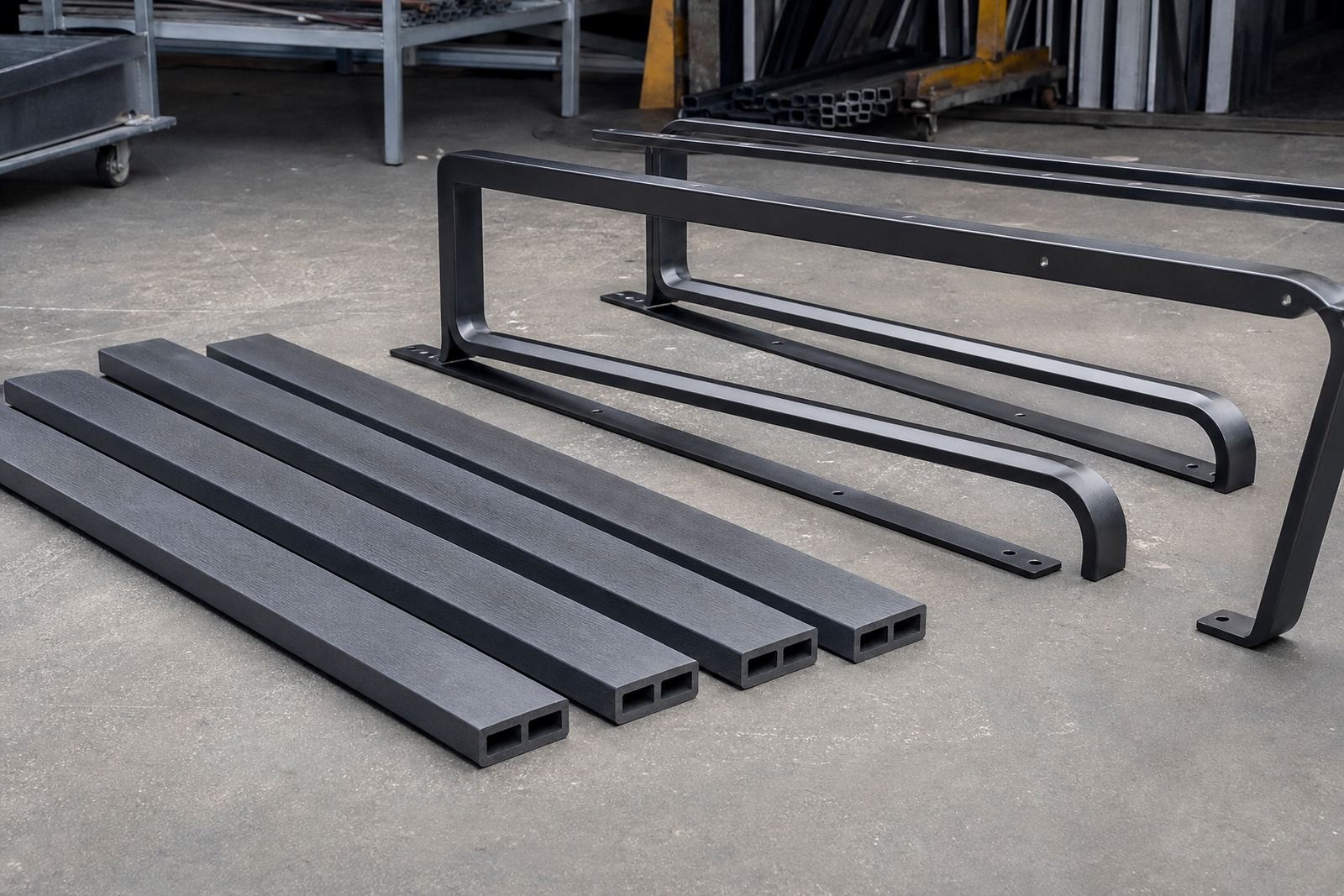
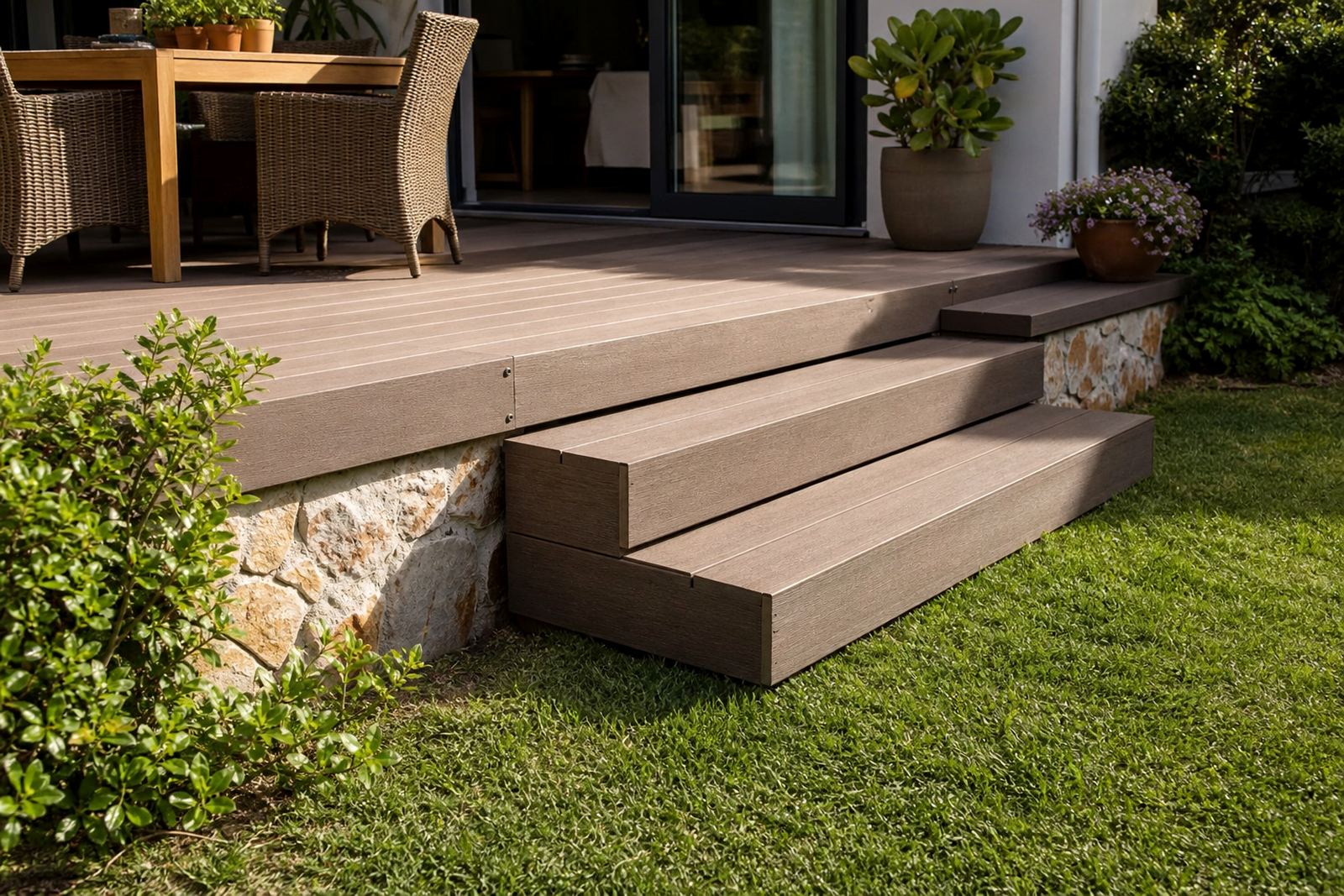
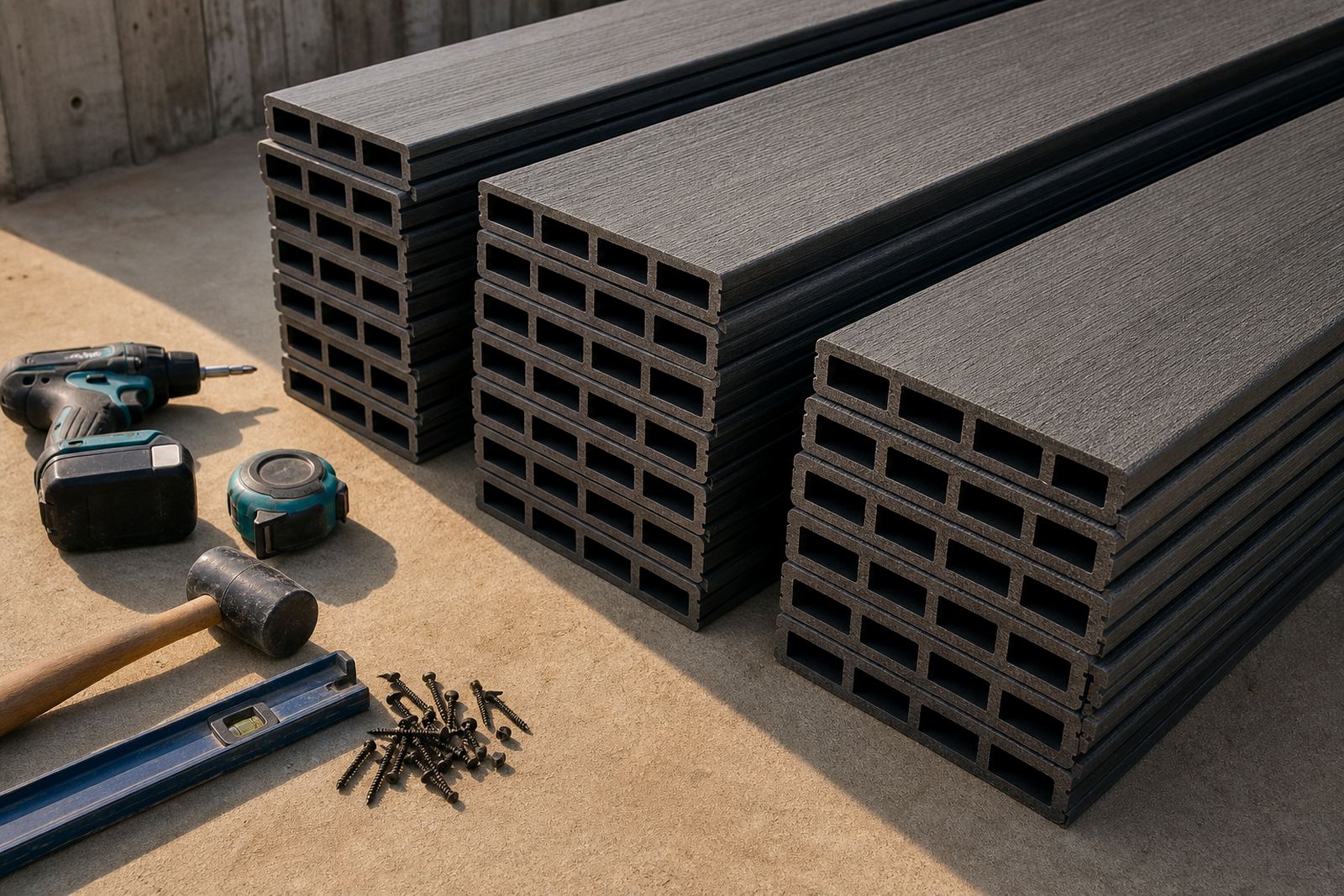
Deck boards are commonly supplied in standard rectangular profiles, with lengths and widths selected to suit the layout and the fixing method. Depending on the application, boards may be solid or hollow section, and may have a grooved or smooth surface finish. Some projects use a matching edge trim or fascia board to tidy exposed sides and stair fronts.
When ordering, check the following details so the boards suit the site and the subframe:
- Board width and thickness required for the span and look you want
- Length options that reduce joins and offcuts on site
- Surface finish, including grooved or smooth face
- Colour choice for the area and surrounding finishes
- Whether concealed fixing or top fixing will be used
- Any matching accessories needed for corners, edges or steps
Where these boards suit best
These boards suit residential decks, apartment common areas, pool surrounds, entertainment patios, verandas and raised outdoor platforms. They also work well for commercial spaces such as restaurant decks, retail entries, school walkways and lodge viewing platforms where the surface needs to handle regular foot traffic.
Because the boards are moisture resistant and low maintenance, they are useful in coastal and inland areas alike. In coastal towns they help reduce the problems linked to swelling and splitting, while inland they offer a tidy finish for areas that get strong sun and seasonal storms. They are not only for new builds either, they can be used in refurbishment work where an old timber deck needs replacing piece by piece.
Installation, fixing methods and site needs
Deck board installation should start with a sound subframe that is level, properly spaced and suited to the chosen board profile. Boards are usually fixed to treated or compatible support members with stainless or coated fasteners, depending on the system being used. Good spacing for drainage and movement is important, especially on long runs and around pool areas.
For most installations, no specialist power or gas supply is needed for the boards themselves. Standard trade tools are enough for measuring, cutting and fixing, although the crew may need saws, drills, countersinking tools and gear for final trim work. On site, the main need is access for material handling, a clear working area and a plan for delivery if the site has limited parking or loading access.
- Allow for accurate site measures before cutting any boards
- Check the subframe for level, drainage and anchoring
- Leave movement gaps as directed by the fixing method
- Use corrosion-resistant fixings suitable for outdoor exposure
- Plan board direction to suit water run-off and visual lines
Care, cleaning and long-term servicing
One of the main advantages of recycled plastic decking is simple maintenance. Regular sweeping and an occasional wash with water and mild soap is normally enough to keep the surface neat. In areas with coastal salt, dust or tree debris, more frequent cleaning can help the boards keep their appearance. Strong abrasive cleaners are best avoided unless the supplier advises otherwise.
If a board or fixing becomes damaged, it is usually possible to replace just the affected component instead of lifting the whole deck. That makes refurbishment easier for busy properties and commercial sites. A proper inspection now and then helps spot loose fixings, movement at joins or wear around stair edges before it becomes a bigger job.
What to check before you place an order
Before you order deck boards, confirm the site conditions, final layout and the finish you want. A deck built for a private courtyard in Somerset West may need a different board size and fixing pattern than a walkway in Johannesburg or a commercial terrace in Durban. It helps to know if the area is fully exposed, partly shaded or likely to carry heavier foot traffic.
Also check whether you need installation support, delivery to site, or assistance with edge finishing and refurbishment later on. If the boards will be used near a pool, planter, braai area or municipal boundary, plan for the relevant clearances and drainage requirements at the same time as the deck layout. That way the job moves faster and there are fewer changes on site.
- Confirm the final dimensions and board direction
- Choose the right profile for the span and traffic level
- Check access for delivery in tight streets or shared complexes
- Decide whether the project includes new installation or replacement work
- Make sure all trims, fixings and support pieces are included
Local supply from Paarden Eiland to major South African centres
Plastimber operates from Paarden Eiland, Cape Town and supports projects in Cape Town, Stellenbosch, George, Johannesburg, Durban, Paarl, Somerset West and Bellville. Orders are handled with site measures, layout planning, material quoting, delivery coordination and trade support so the right boards reach the right project. For larger residential or commercial work, the team can also assist with deck installation, refurbishment and component replacement.
Trade clients and property owners can use the enquiry form on the contact page to get the process started. That keeps the details together in one place, which helps when a project has multiple areas, staged delivery or a tight programme. If the job needs a quick turnaround, it is worth sending clear site photos and measurements up front so the quote can be prepared accurately.
Key facts
| Material | Recycled plastic lumber decking boards |
|---|---|
| Use | Outdoor flooring for residential and commercial projects |
| Finish options | Grooved or smooth profiles, depending on the application |
| Installation | Fixed to a suitable subframe with outdoor-grade fasteners |
| Maintenance | Low upkeep, with routine cleaning and periodic checks |
| Service areas | Cape Town, Stellenbosch, George, Johannesburg, Durban and surrounding areas |