What edge boards do on a deck
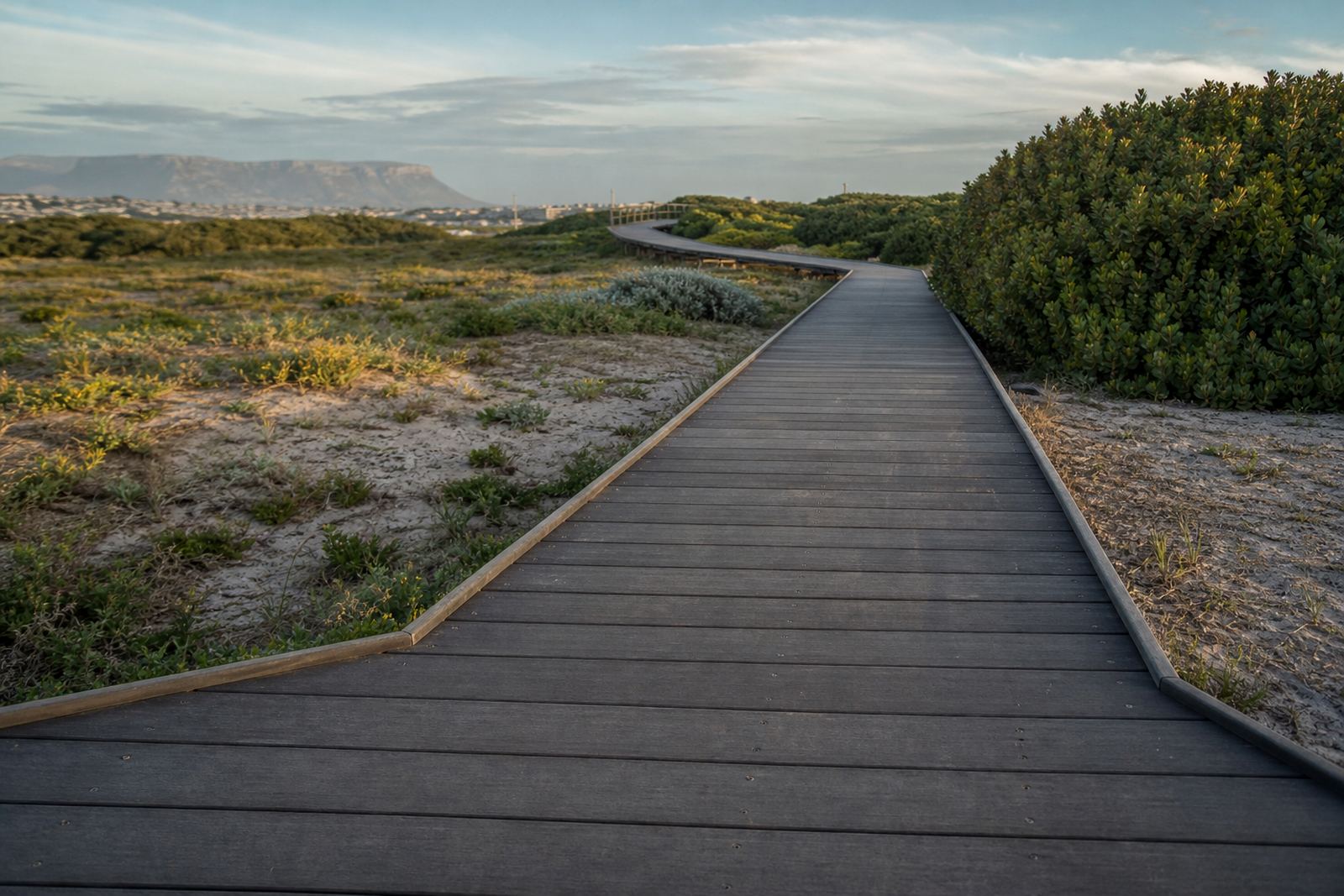
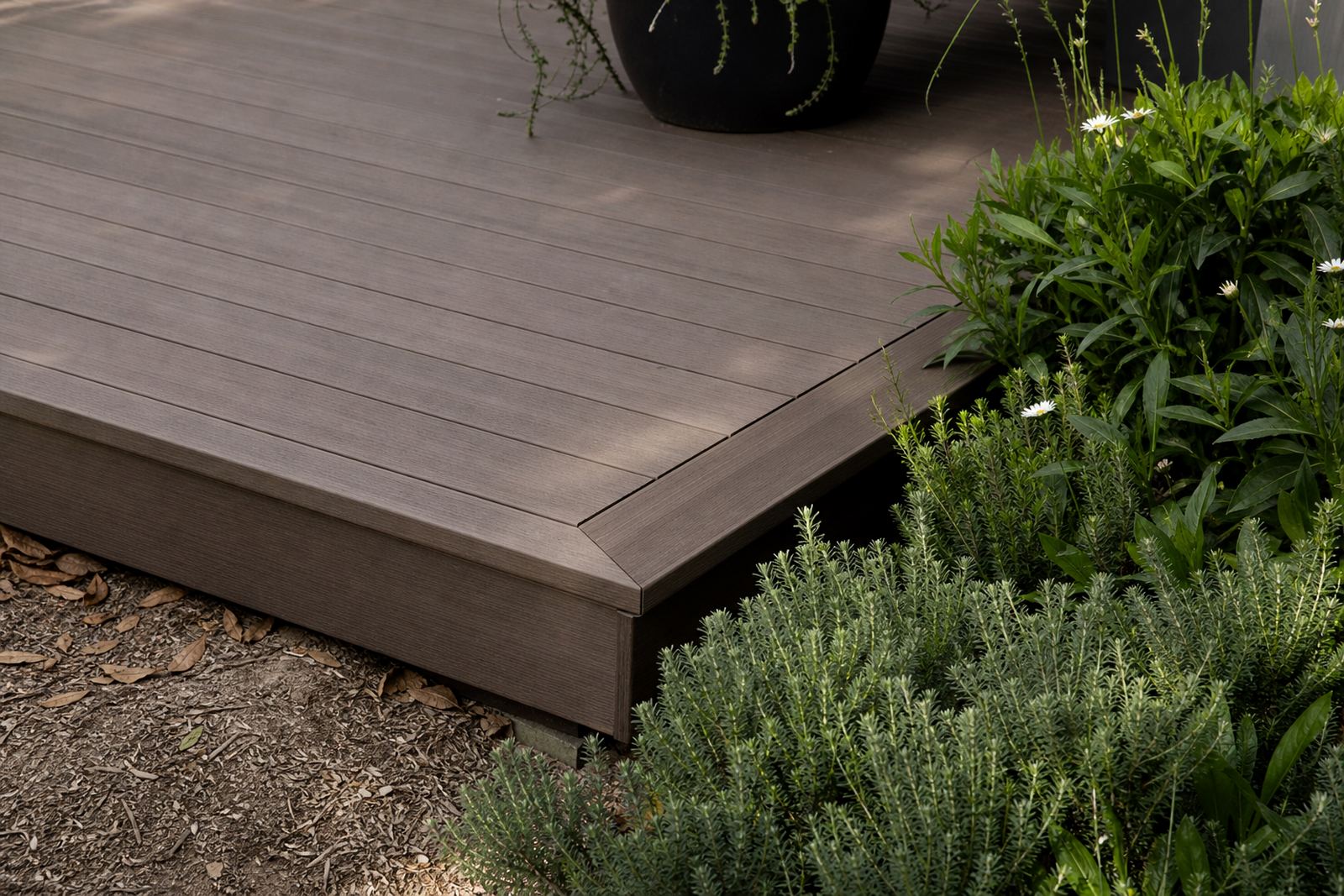
Edge boards finish the outer line of a deck so the installation looks planned, not cut off. They are used around exposed sides, stair edges, planter surrounds and platform borders, where the last board would otherwise show raw ends or open fixings. On recycled plastic lumber decking, edge boards also help the layout feel more controlled and tidy, especially on patios and pool areas where the detail is easy to see.
Because recycled plastic lumber does not behave like natural timber, the edge detail should be planned as part of the full layout. That includes the direction of the deck boards, how corners are joined, and where movement gaps are left. A neat finish matters most on coastal properties, hospitality spaces and townhouse complexes where the deck is seen from more than one side.
Sizes, profiles and finish options
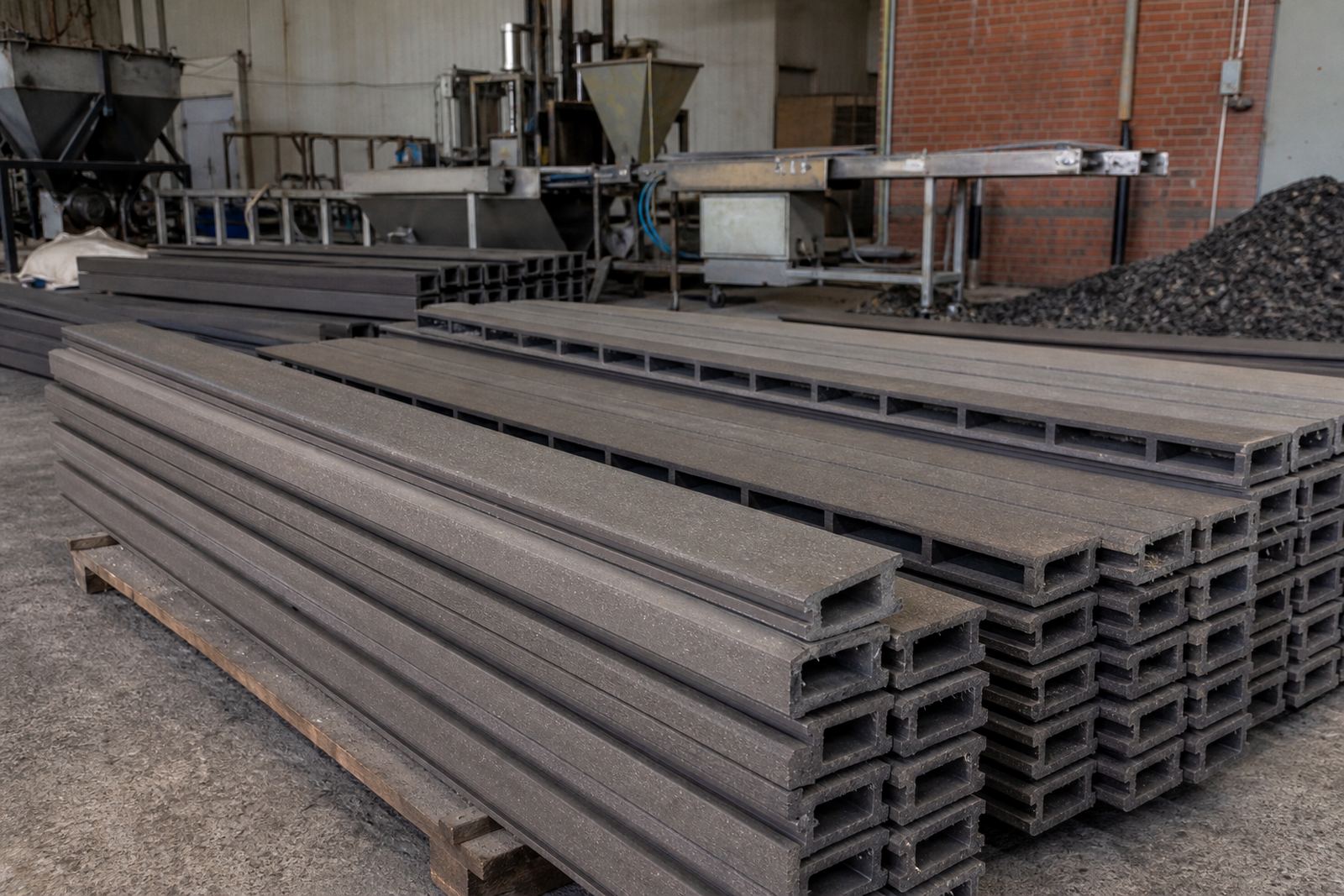
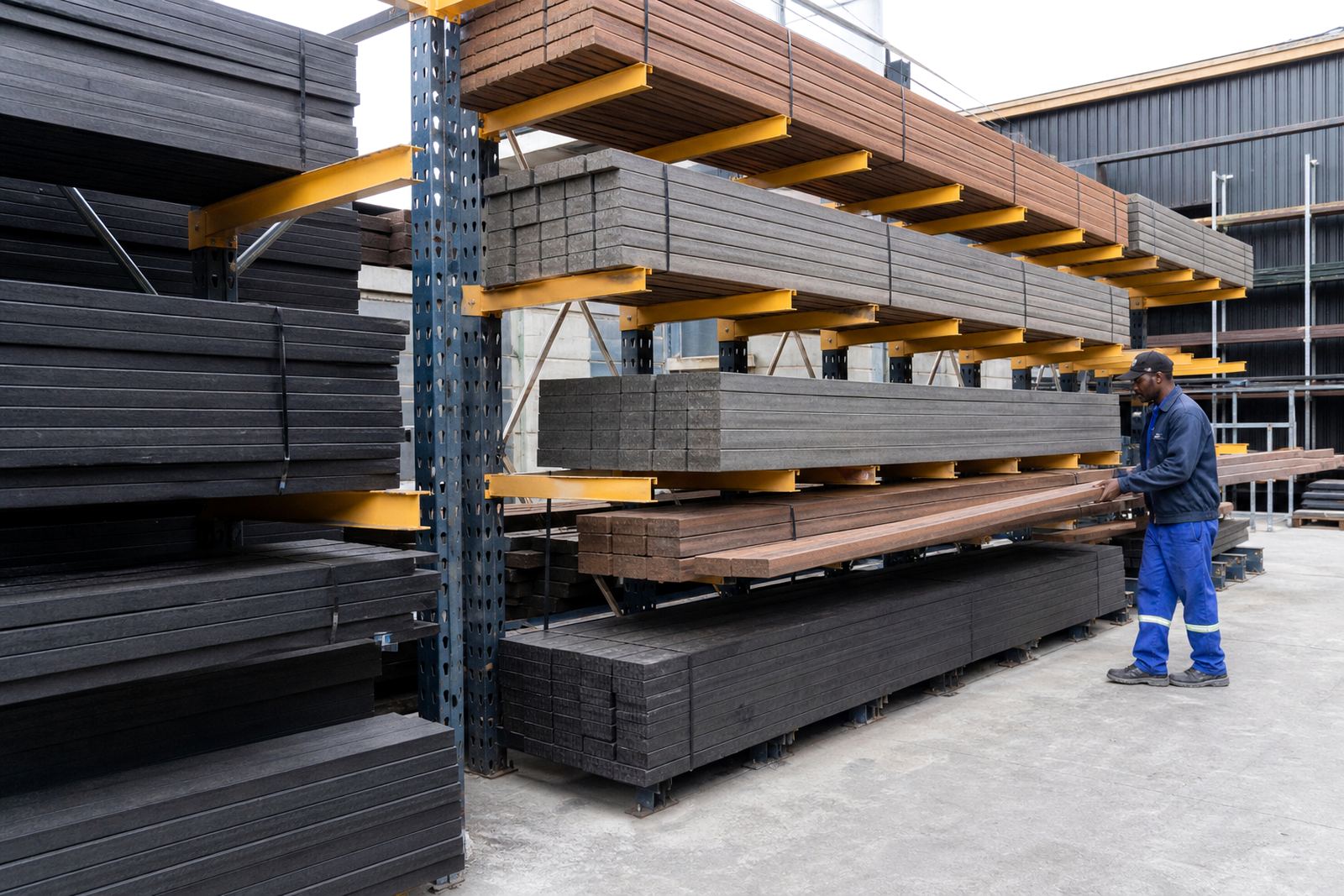
Edge boards are usually matched to the decking profile being used so the finished border looks consistent. Common options include solid boards for a stronger visual edge, grooved profiles for a coordinated look, and square edges for straightforward trimming and neat corners. Colour selection is normally kept close to the main deck boards so the border blends in rather than standing out too much.
- Lengths and widths are selected to suit the deck layout and available stock
- Profiles can be used for straight runs, corners and step edges
- Some projects need matching trim pieces for stair nosings or perimeter returns
- Surface texture should be considered where bare feet, pool splash or sand is expected
When ordering, it helps to check whether the edge board will sit flush with the deck surface or be used as a raised border. That detail affects the way the ends are cut, the fixing method and how the border meets walls, posts or drainage gaps.
Where edge boards suit best
These boards suit residential decks, roof terraces, braai areas, pool surrounds, restaurant courtyards, walkways and public seating zones. They are also useful where a deck needs to meet paving, concrete or a garden edge in a way that looks finished and easy to maintain. In places like Stellenbosch, George and Paarl, edge boards are often used where the deck transitions from an older surface to a newer one.
They are a practical choice in coastal areas such as Cape Town, Somerset West and Durban, where humidity and salt in the air can make timber edges age unevenly. Recycled plastic lumber keeps its shape well and does not need the same regular sealing or staining that timber edge details usually ask for. That makes it suitable for sites where maintenance access is limited or the deck is used daily.
- Patios and entertainment areas
- Pool decks and splash zones
- Commercial walkways and seating platforms
- Boundary edges next to paving, gravel or planting beds
- Stairs, ramps and raised platforms
Installation details and site requirements
Edge boards are installed as part of the full decking build, not as an afterthought. The deck frame needs to be level, square and set out before the border boards are fixed. In most cases, installation uses standard hand tools, measuring tools and cutting tools, with fixings selected to suit the profile and substructure. No special power supply or gas supply is needed for the product itself, though the site may need normal installation access for cutting and drilling work.
Where the deck is being built in a load-shedding affected area, it helps to plan the work so cutting and fixing can continue without delays. For larger projects in Johannesburg, Bellville or Durban, the installation sequence may be split into delivery, frame work and finish work so the border boards can be fitted cleanly once the main deck is ready. On sloped ground or coastal sites with wind exposure, extra care should be taken with alignment and drainage. A good edge board detail should not trap water, and it should not interfere with the deck breathing gap.
- Check substrate levels before ordering the final trim lengths
- Allow for corners, mitres and end returns
- Confirm if the border must hide fixings or leave them accessible
- Keep drainage and expansion gaps open where required
Care, servicing and long-term upkeep
Edge boards made from recycled plastic lumber are generally easy to maintain. Regular sweeping and rinsing is usually enough for most sites, with a mild cleaner used when dirt builds up. In busy settings such as schools, guest houses and commercial courtyards, sand and dust should be removed before it works into the joints. If the deck forms part of a public area, the border should also be checked for loose fixings, uneven cuts or damage from trolleys and furniture.
Unlike timber, the material does not need sanding, sealing or painting as part of routine care. That said, the border area still benefits from a proper inspection now and then, especially after heavy rain, strong sun or a period of high foot traffic. Where a section has been damaged, individual pieces can often be replaced without disturbing the full deck, depending on how the border was installed.
What to check before you place an order
Before ordering edge boards, measure the full perimeter and note every change in direction. Check whether the deck has square corners, angled corners, step edges or curved sections, because each one changes the cut list. It is also worth confirming the height of the finished deck, the board direction and whether the border must line up with doors, paving or balustrades. These details save time later and reduce waste on site.
If you are comparing options for a home in Somerset West or a commercial site in George, ask for the border to be matched to the main deck profile and colour as closely as possible. You should also check whether the project needs delivery coordination, layout planning or installation support, especially where access is tight or the site is shared with other trades. A clear order makes the final finish neater and the site easier to manage, which is always worth the effort.
- Perimeter lengths and corner count
- Matching profile and colour requirements
- Deck height and any step details
- Fixing method and access to the underside
- Delivery timing and on-site storage space
Key facts
| Material | Recycled plastic lumber |
|---|---|
| Use | Perimeter finishing for decking and steps |
| Typical application | Residential, hospitality and commercial decks |
| Finish options | Matched profiles, straight edges, corner returns |
| Maintenance | Low-maintenance, wash down as needed |
| Service areas | Cape Town, Stellenbosch, George, Johannesburg, Durban, Paarl, Somerset West, Bellville |