
Start with the reason you want the bench there
Before fixing a bench into place, decide what it must do. A seat for morning coffee needs a different position from one used for watching children, resting between beds, or creating a pause near a front entrance. If the bench is there to invite people to sit, put it where they can see something worth looking at. If it is for a quiet corner, choose a spot that feels slightly tucked away but still easy to reach.
In many South African gardens, the best bench positions are not the most obvious ones. A narrow side path in Somerset West, a courtyard in Bellville, or a small lawn in Paarl can all support a well placed bench if the route to it is clear and the setting feels intentional.
- Use the bench where people naturally slow down.
- Place it near a focal point, not in the middle of circulation.
- Make sure the seat is reachable without stepping through wet planting beds.
Follow the shade, but do not trap the bench in a dark corner
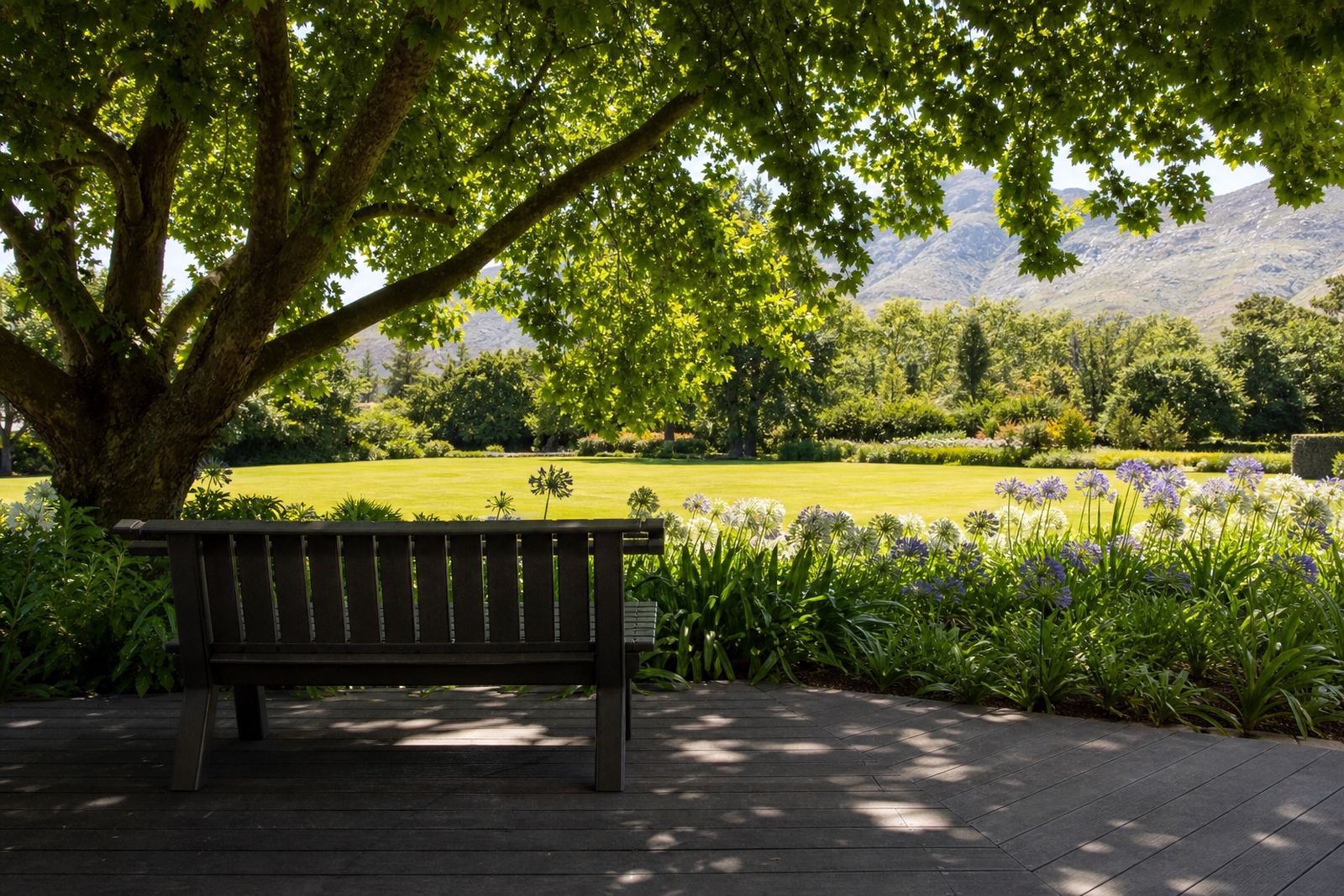
Shade matters more than many people expect. In Cape Town and Durban, full sun can make a seat uncomfortably hot by midday, while in Johannesburg a bench on exposed paving can feel harsh in summer. The right position often gives morning sun and afternoon shade, or dappled light under a tree canopy. That said, too much shade can leave the area damp, cold, and less inviting in winter.
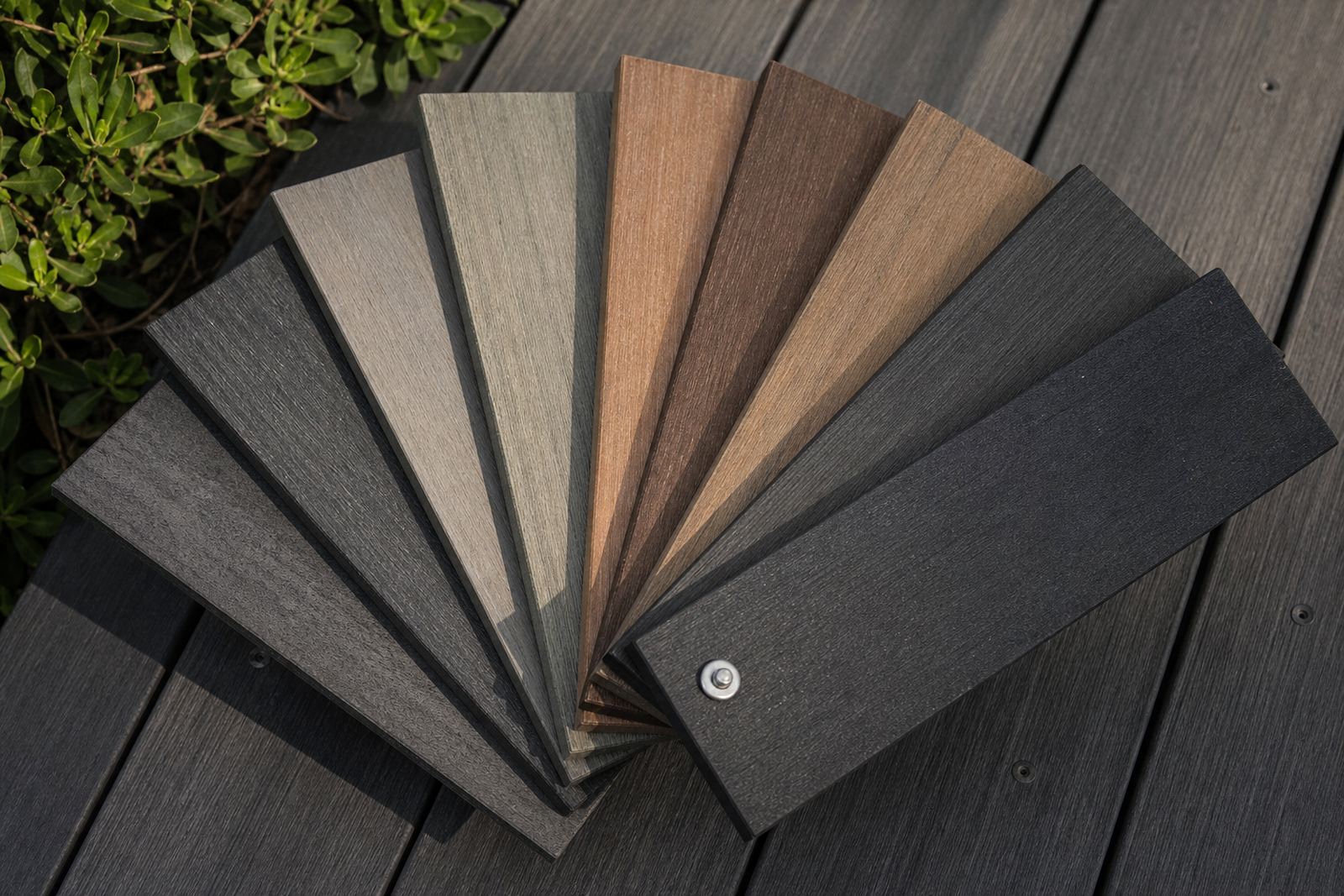
Think about the site through the day. A bench under a tree may seem perfect at 8am, but if it sits under heavy leaf drop or bird activity, the upkeep changes. Recycled plastic lumber benches and decking handle coastal humidity well, which makes them a practical choice for gardens in George, Stellenbosch and other wetter areas where wood can need more attention.
- Check the sun at 9am, 1pm and late afternoon.
- Avoid placing the bench where irrigation wets the seat daily.
- Leave enough air movement around the bench for quick drying after rain.
Keep circulation open so people do not walk through the seating zone
A bench works best when it feels settled, not in the way. Leave enough space for people to pass without brushing past knees, planting, or table corners. In a family garden, circulation matters because children, garden workers and guests all move differently. A bench placed across a narrow route soon becomes an obstacle, especially where wheelbarrows, bins or hose reels need access.
In practical terms, think about the path from the gate, the kitchen, the braai area and the washing line. If a seat interrupts one of those routes, move it. In commercial landscapes and shared spaces, circulation should also allow for maintenance staff and accessible movement. A well positioned bench should help the site function, not slow it down.
- Do not place benches where gates swing open into them.
- Allow room for a person to sit and for another to walk behind if needed.
- Keep clear access for maintenance tools and cleaning equipment.
Use the view to decide the angle and direction
People sit longer when they have something to look at. That may be a planted border, a pool, a water feature, distant hills, or even the daily activity of a courtyard. A bench facing a wall can work if the wall is textured or planted, but a bench facing outward usually feels more generous. Small changes in angle can improve the whole experience.
In a Cape Town setting near Paarden Eiland, for example, a courtyard bench might be angled away from the prevailing wind and toward a planted screen or sheltered corner. In Durban, the same bench could be turned to catch a sea breeze without sitting in the full glare of the sun. The position should suit the site, not a fixed rule.
Choose ground conditions that suit recycled plastic lumber benches
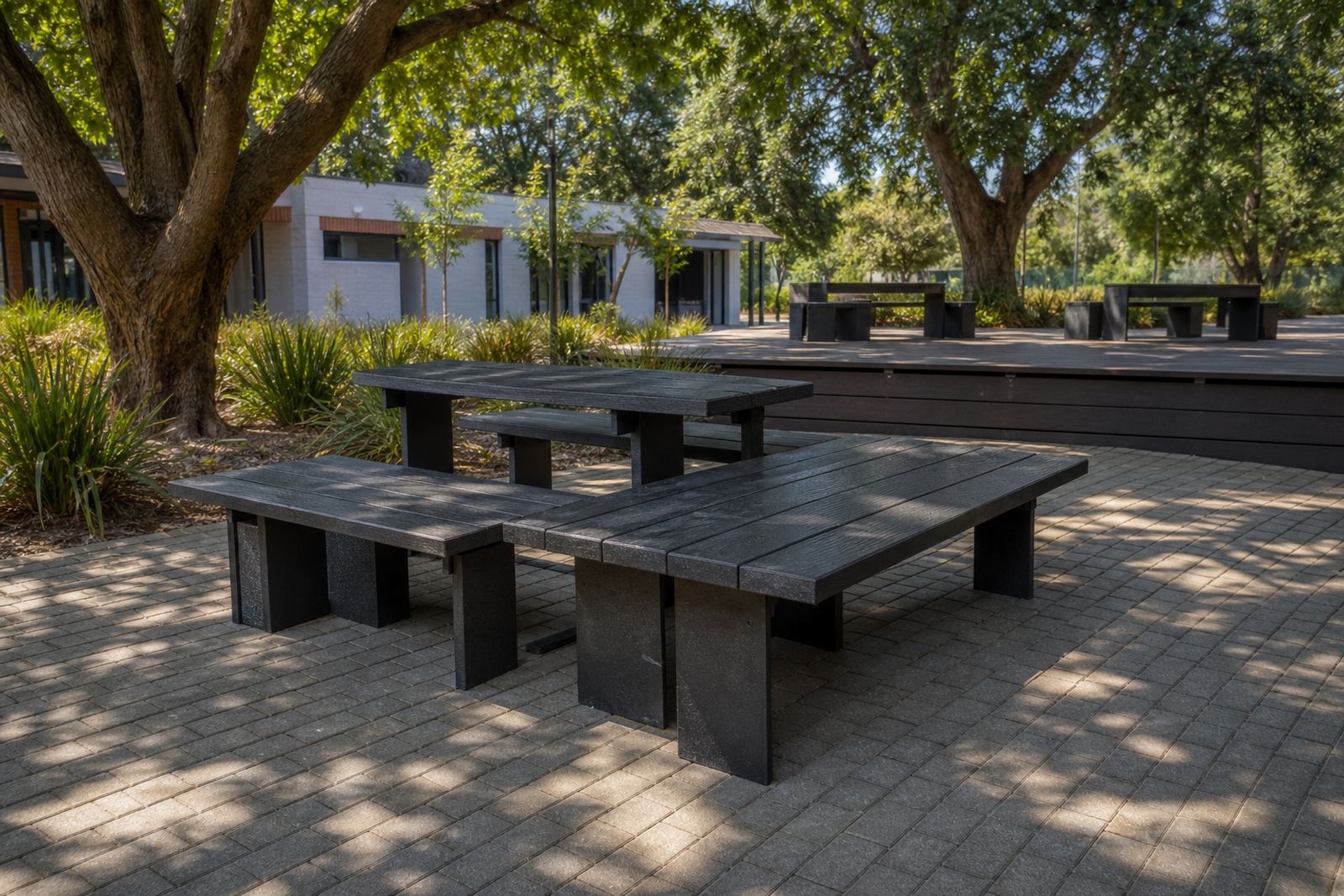
Bench position also depends on what is under it. Recycled plastic lumber is low maintenance and well suited to outdoor use, but the base still matters. A level concrete pad, paved area, compacted gravel, or properly prepared deck surface will keep the bench steady and reduce movement over time. Soft soil may settle, and that can leave the seat uneven.
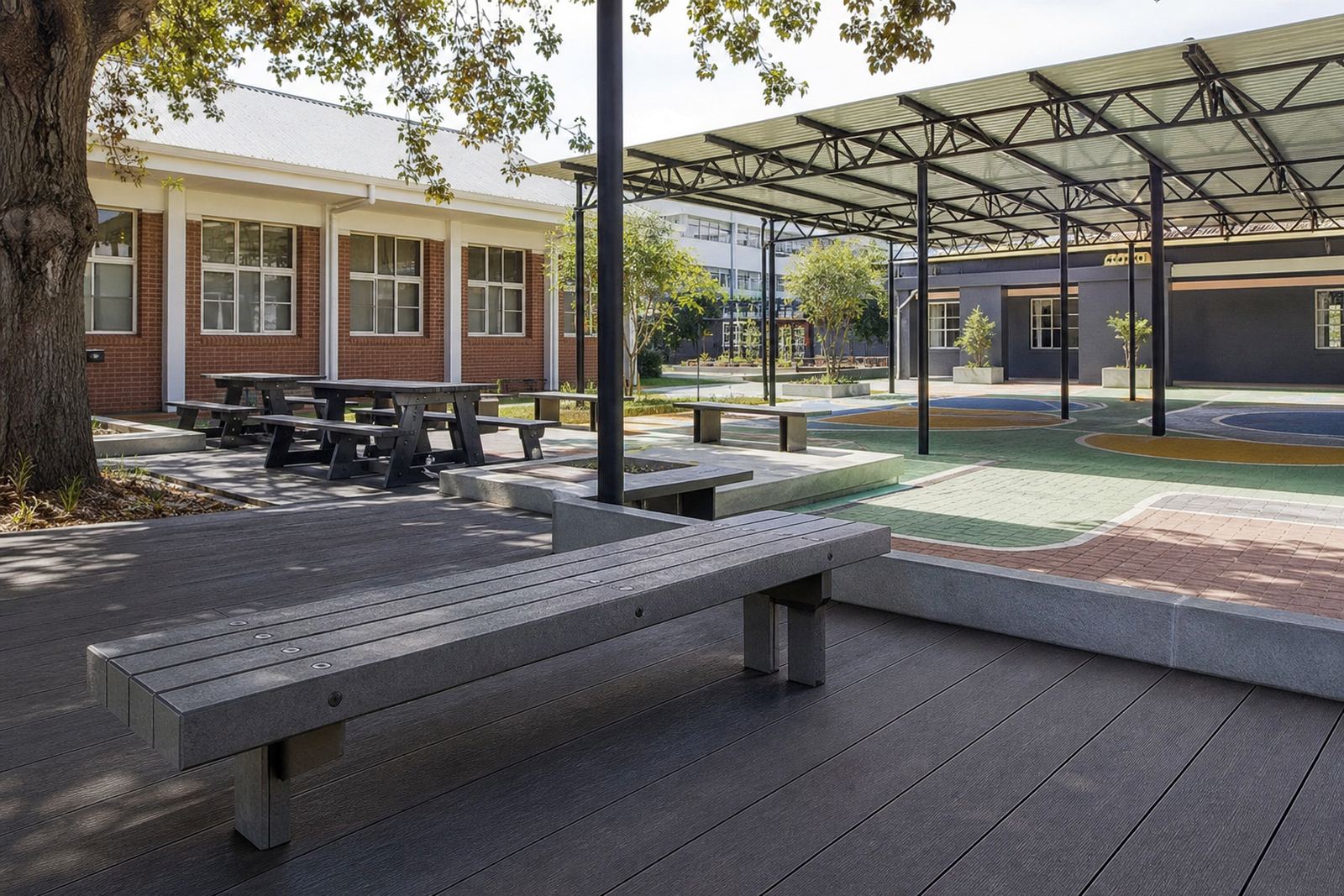
Where benches are installed on decking, consider edge distance, fixings and any drainage points. In coastal areas, moisture and windblown grit can affect all outdoor fittings, so a clean, stable base helps. The material itself is useful for long term use because it does not need the same upkeep as many timber options, and it suits settings where regular maintenance is limited.
- Set the bench on level ground wherever possible.
- Allow drainage so water does not pool beneath the legs.
- Keep the base free of loose soil that can shift after rain.
Plan for the everyday users, not just the finished look
A bench should suit the people who will use it most. Older family members may prefer a position with easy access and some back support nearby. In a play area, the seat should allow clear sight lines across the garden. In a business park or shared courtyard, the bench might need to sit near the entrance but not block reception traffic. Small details matter more than a grand setting.
For projects in Stellenbosch, Johannesburg, George, Durban or across Cape Town, the same idea holds true. The right place is the one that fits how the space is actually used. That may mean moving the bench closer to shade, turning it toward the view, or shifting it a metre or two to keep the route open. Those small changes often make the biggest difference.
When we help with layout planning, site measures, delivery and installation, the position is always part of the conversation. A bench that sits well on day one is far more likely to stay useful for years.