
Start With The Conversation Zone, Not The Bench Count
When people ask how many benches to place, the better question is what the space needs to do. A cluster for conversation should feel open enough for movement, but close enough that people can hear one another without raising their voices. In a Cape Town courtyard or a Paarl school garden, that balance matters because the space is often doing more than one job at once.
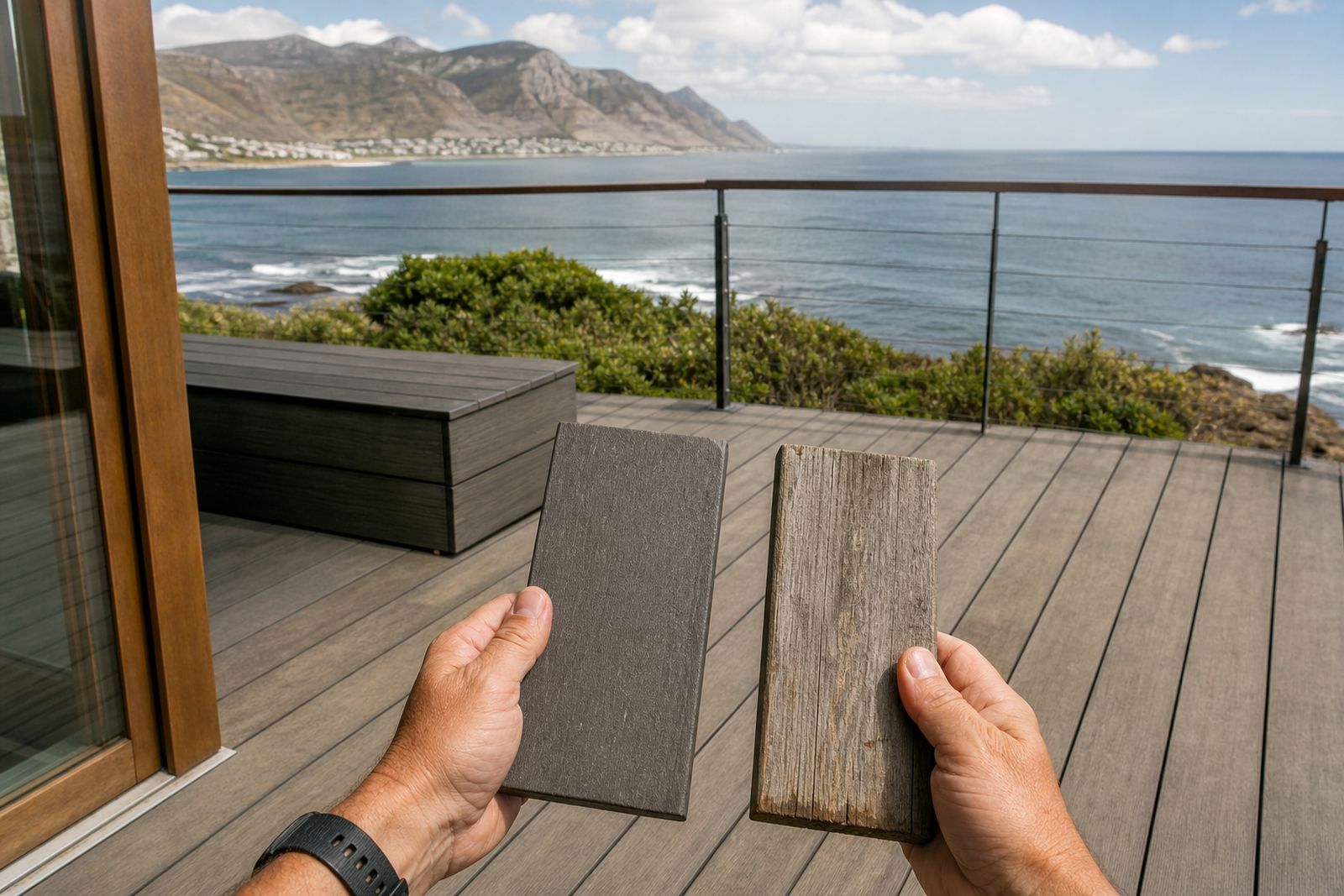
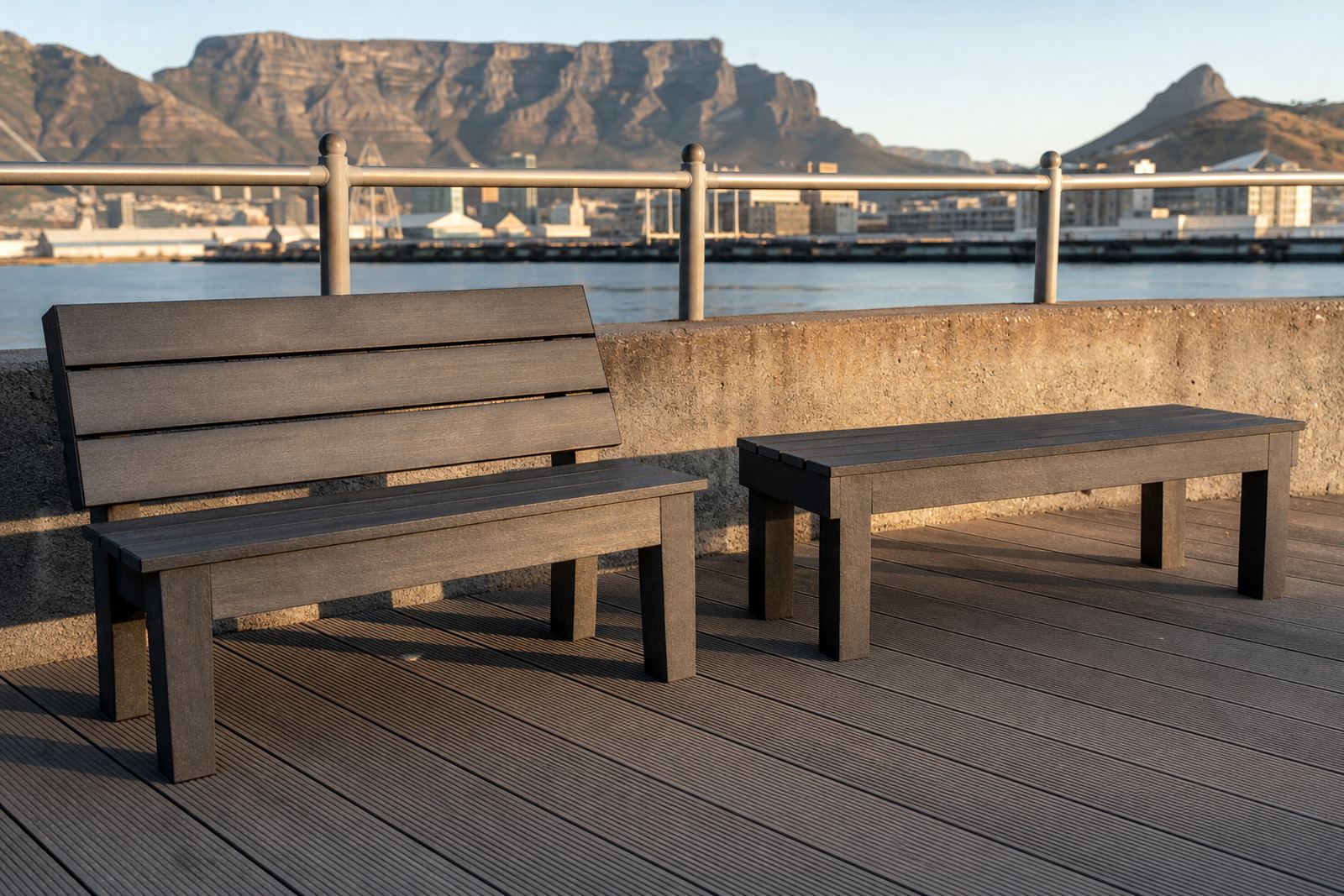
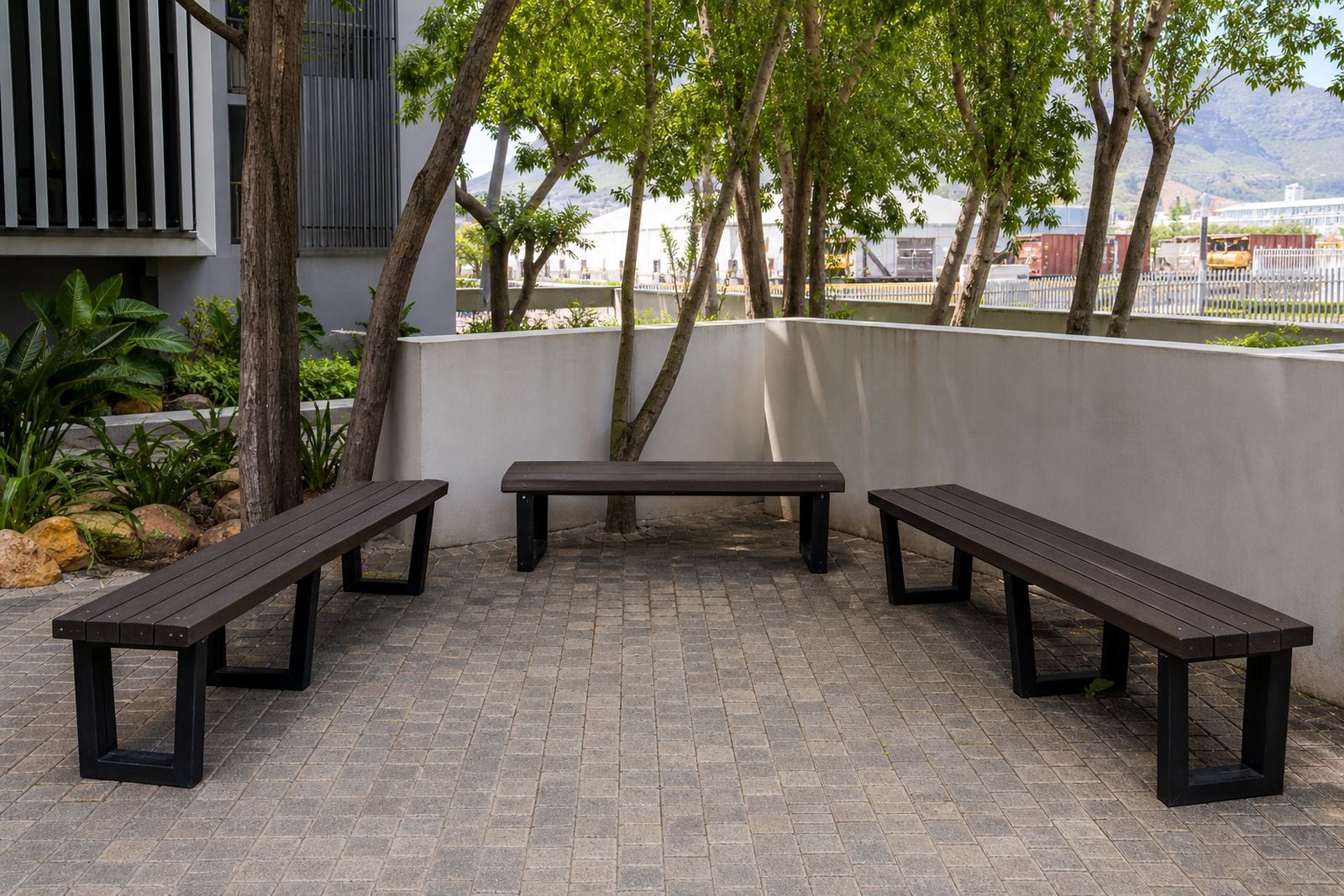
For smaller settings, two benches facing each other with a clear middle space can be enough. In larger shared areas, three or four benches arranged around a central point can support waiting, chatting or informal breaks. Recycled plastic lumber works well here because the material keeps its shape, handles coastal humidity and does not ask for the same upkeep as timber.
- Keep a clear walkway beside the cluster so people are not forced to step around seated users.
- Leave enough room for bags, prams or wheelchairs where needed.
- Position the cluster near shade, but not where damp leaves or runoff will collect underfoot.
Use Bench Angles To Guide Movement
A good cluster does not block circulation. Small changes in angle can make a space easier to use, especially in busy areas like a retail forecourt in Bellville or a public seating area near a Durban promenade. Straight lines can feel formal, while slight angles soften the layout and help people enter or leave without squeezing past one another.
If you need the bench group to support a steady flow of foot traffic, avoid placing every seat at right angles to the main route. Instead, turn one or two benches a few degrees outward so the opening feels obvious. This is especially useful where municipal access rules, emergency routes or shared pathways must stay clear. A tidy layout is not just about looks, it helps the space work properly.
- Angle benches outward where you want easy entry and exit.
- Keep main routes free of corners that catch bags, knees or trolleys.
- Use the bench group to frame the space, not close it off.
Choose Bench Shapes That Match The Site
Not every bench cluster needs the same form. Long straight benches suit school courtyards and public waiting areas, while shorter units can work better in compact gardens or retail spaces. If the site has an open centre, bench placement around that point can create a natural pause area without adding clutter.
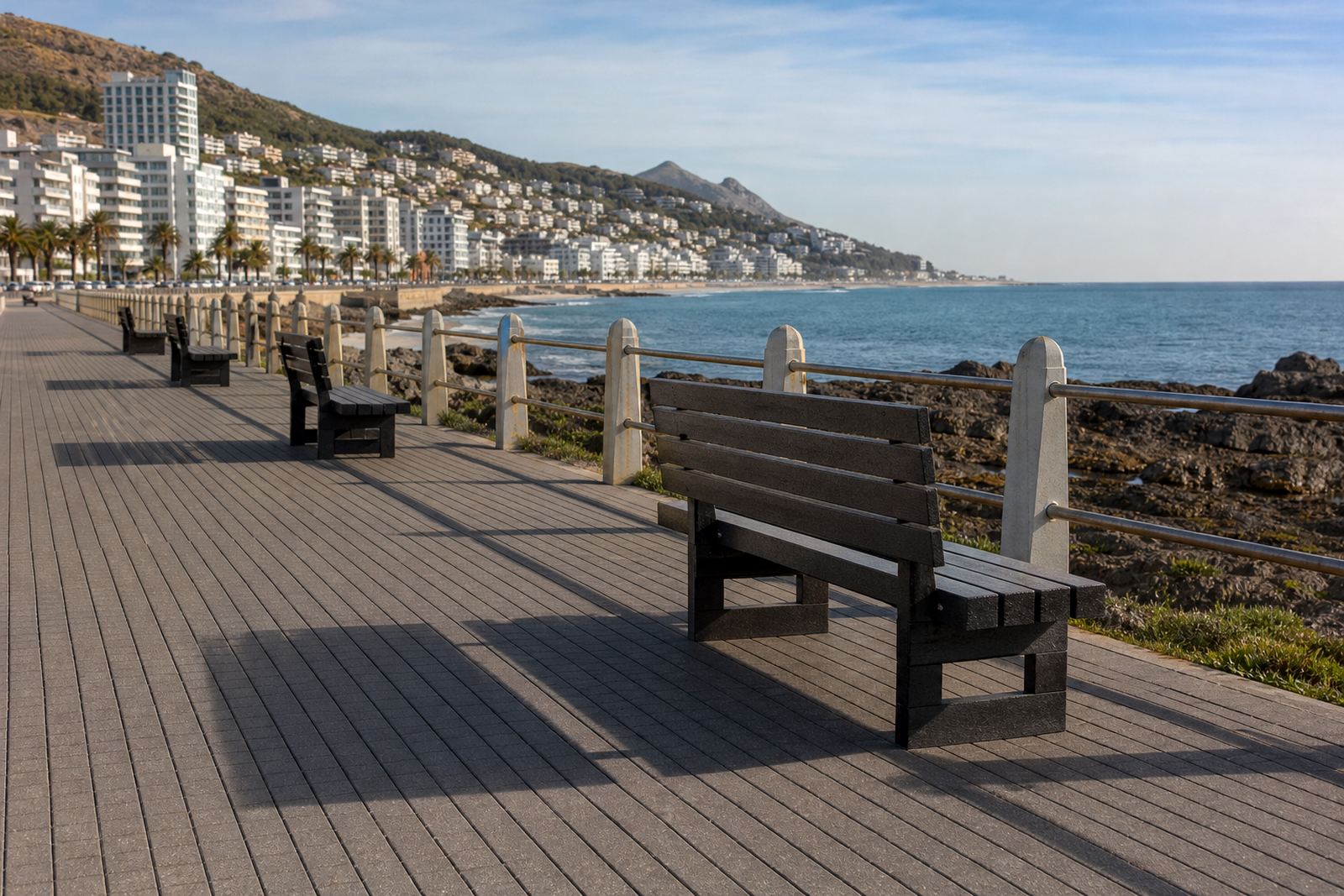
Recycled plastic lumber benches are useful because they hold up in both sunny and wet conditions, which is important from George to Durban. They are also practical where maintenance access is limited and you want less sanding, sealing or repainting over time. For many commercial sites, that means fewer disruptions and a cleaner finish year-round.
- Use longer benches when groups gather for longer periods.
- Use shorter benches where people move in and out quickly.
- Match the bench shape to the site, not the other way round.
Think About Sightlines, Shade And Supervision
Bench clusters are often placed in places where people wait, rest or watch children play. That means sightlines matter. A cluster should allow clear views across the area so parents, staff or security can keep an eye on things without standing up every few minutes. In a school or shared community space, that makes the seating more useful and more comfortable.
Shade is equally important. In summer, a bench cluster that sits in full sun can empty out fast, while one under a tree or a simple shelter will see far more use. Just be careful with placement under large trees where roots, sap or falling debris can make cleaning harder. In coastal towns, the combination of salt air and damp shade can also affect finishes and hardware, so simpler materials and good drainage help keep the area neat.
A Local Example From A Cape Town Courtyard
Picture a small shared courtyard in Paarden Eiland, with a mix of staff breaks, visitor waiting and light circulation between units. A practical bench cluster might use two benches facing each other near the edge of the space, with a third bench set at a slight angle to soften the corner. That gives people a place to sit and chat, while leaving the centre open for movement and deliveries.
In a site like that, the real win is not packing in more furniture. It is giving each seat a clear purpose. One side supports conversation, another supports short waiting periods, and the open side keeps the route usable for everyday traffic. It is a simple layout, but it works well when the material is durable and the finish stays tidy with basic care.
Practical Checks Before You Place The Order
Before a bench cluster is made or installed, it helps to check a few site details. This avoids awkward spacing and reduces the chance of later changes. Whether the project is in Stellenbosch, Johannesburg or Somerset West, the same basic checks save time on site.
- Measure the exact footprint, including nearby doors, paths and turning space.
- Check ground level and drainage so the benches do not sit in standing water.
- Confirm how people enter, pause and leave the area during peak use.
- Allow for cleaning access behind and beside the benches.
- Decide whether the cluster needs edge finishing or future component replacement access.
For a trade client, this kind of planning keeps the job straightforward. A clear layout, the right material and sensible spacing will usually matter more than adding extra seats. If the cluster is easy to move around, easy to maintain and comfortable to use, it will serve the space well for years.