
Why Planners Choose Recycled Plastic Lumber for Outdoor Work
When a project calls for outdoor seating or decking, the material choice affects everything that follows, from maintenance visits to how the space looks after a summer of heavy use. Recycled plastic lumber is made for that kind of setting. It is commonly selected for deck boards, bench slats, edging and similar applications where timber might warp, splinter or demand frequent treatment.
In practice, that means less time spent on sanding, sealing and replacing damaged parts. It also means fewer headaches for property owners who need an outdoor area to stay tidy through heat, rain and foot traffic. For body corporates, schools, hospitality spaces and private homes, that matters. People want a surface that still looks decent after months of use, not something that starts lifting at the corners or showing rot after the first wet season.
How It Handles South African Weather Conditions
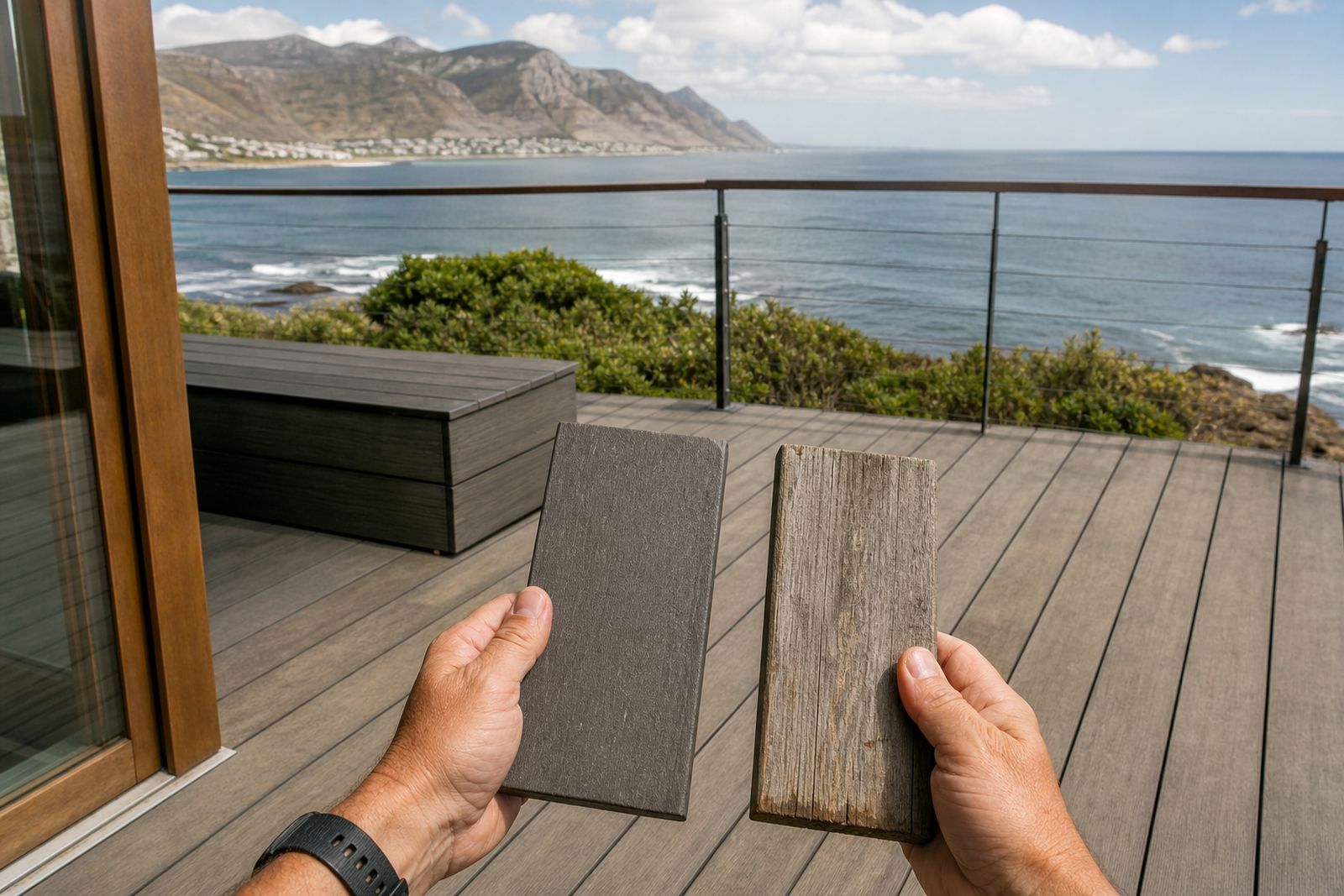
South African conditions can be tough on outdoor materials. In Cape Town, wind and salt air are constant factors near the coast. In Durban, humidity can push poorer materials into swelling, staining or surface decay. Inland, strong sun and dry heat create another set of stresses. Recycled plastic lumber handles these conditions well because it does not absorb water like timber and it does not need chemical treatment to stay serviceable.
That is why it is often a good fit for sea-facing homes, pool surrounds, municipal walkways and hospitality projects where cleaning needs to be straightforward. It can be washed down, wiped clean and returned to service without much fuss. For planners, that simple maintenance profile often matters more than appearance alone.
- Suitable for damp, coastal and high-use outdoor areas
- Useful where regular washing is part of the maintenance routine
- Helps reduce ongoing care compared with traditional timber
What Makes It Practical for Decking and Benches
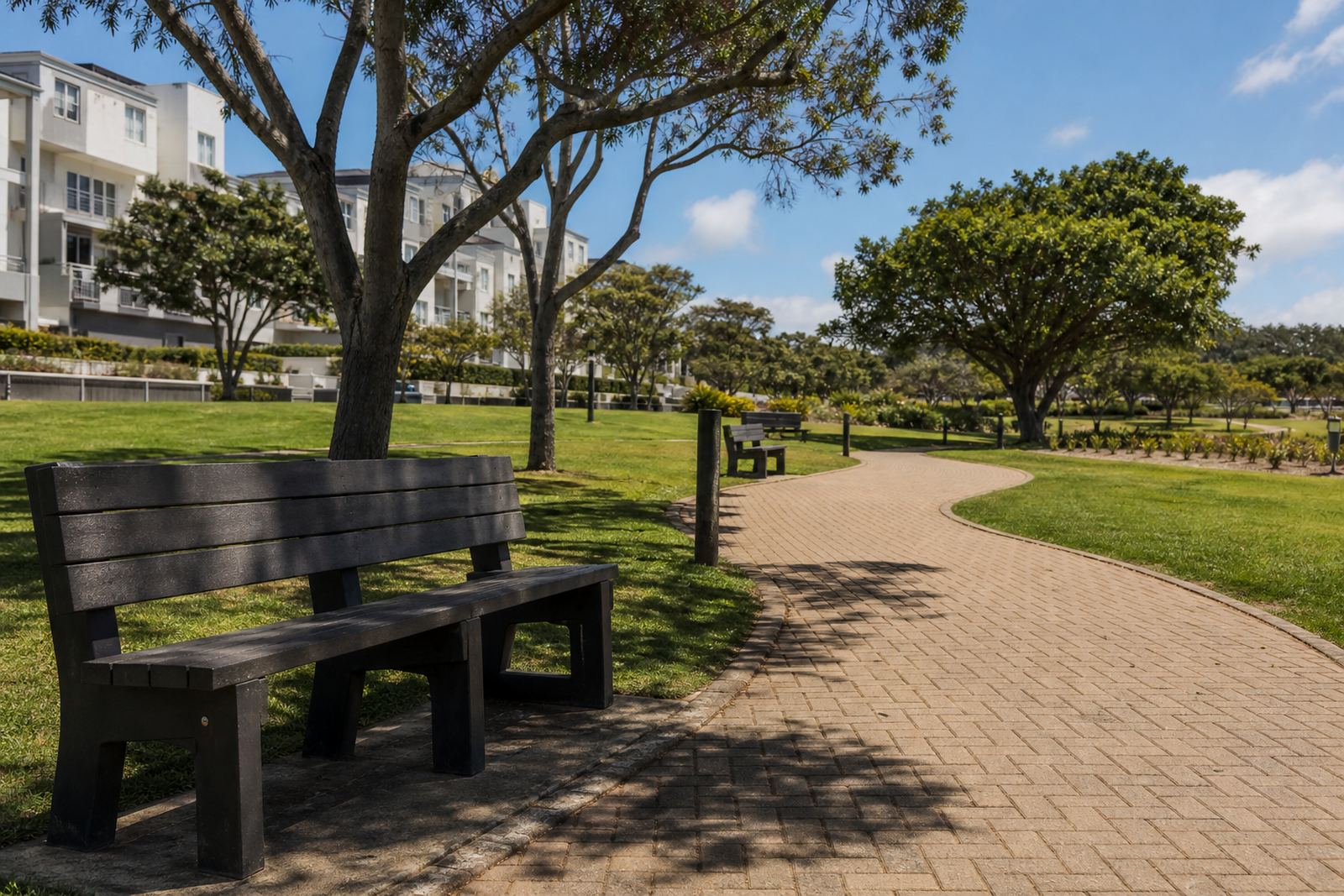
Recycled plastic lumber is chosen not only because it is made from reused material, but because it behaves in a dependable way once installed. Decking boards and bench components can be cut, fixed and arranged to suit the site layout. The finish is usually consistent, which helps when matching multiple seating units or expanding a deck later on. For outdoor furniture, that consistency is useful in public areas where a neat, orderly appearance matters.
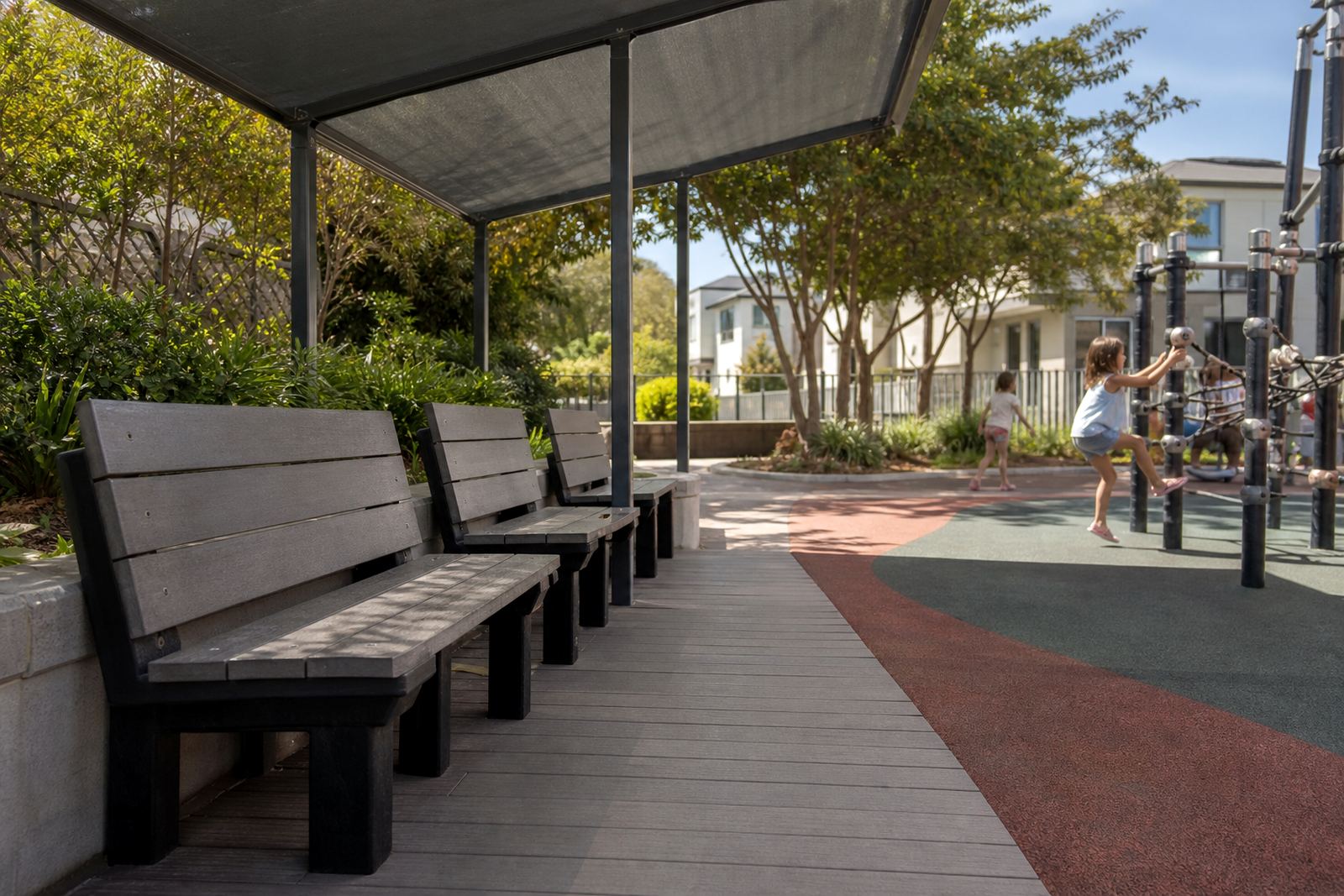
Another practical benefit is the lack of splinters and loose fibres associated with ageing timber. In spaces where children, guests or staff will use the seating, that is a real advantage. The material is also well suited to edge finishing and refurbishment work, because damaged components can often be replaced without redoing the whole structure. That keeps repair work more manageable and reduces downtime.
- Commonly used for slatted benches, seating platforms and deck surfaces
- Can be adapted for refurbishment instead of full replacement
- Helps create cleaner edges and a tidier final finish
A Lower-Maintenance Option for Property Owners
Many outdoor materials look good on installation day, then quickly reveal how much upkeep they need. Recycled plastic lumber is different in that it is made for a simpler maintenance cycle. There is no need for regular sealing, oiling or painting to keep it serviceable. That is a practical benefit for landlords, schools, hospitality operators and homeowners who would rather spend time using the space than constantly maintaining it.
For projects in places like Stellenbosch, Somerset West or Paarl, where outdoor living is part of the property value, that matters. A deck or bench should support the space, not become a weekly task. If a site manager needs to schedule cleaning around load-shedding, access control or busy trading hours, a material that does not depend on specialist treatments makes life easier. It also helps that routine care is straightforward, which means fewer surprises over time.
A Local Example: Coastal Seating That Stays Useful
Consider a shared outdoor area in Paarden Eiland or along another exposed Cape Town site where salt, wind and traffic all come into play. A timber bench can start to fade, loosen or show surface wear quickly if it is left outside without constant attention. Recycled plastic lumber gives planners a more forgiving option. It can be used for seating where customers, staff or visitors need a place to wait, rest or gather without creating more maintenance work than the site can handle.
That same approach works just as well for a residential stoep, a lodge terrace near George, or a busy commercial property in Durban where the outdoor furniture gets used every day. The point is not that one material solves every problem. The point is that recycled plastic lumber gives project teams a sensible balance of durability, upkeep and appearance, which is often what the site actually needs.
What Trade Buyers Should Ask Before They Specify It
Before ordering recycled plastic lumber decking or benches, it helps to ask a few practical questions. The right supplier should be able to talk through site measures, layout planning, delivery timing and how the material will be installed or refurbished. That matters because every site is different. A small courtyard in Bellville does not have the same access constraints as a larger commercial area in Johannesburg, and a coastal installation may need different care advice than an inland one.
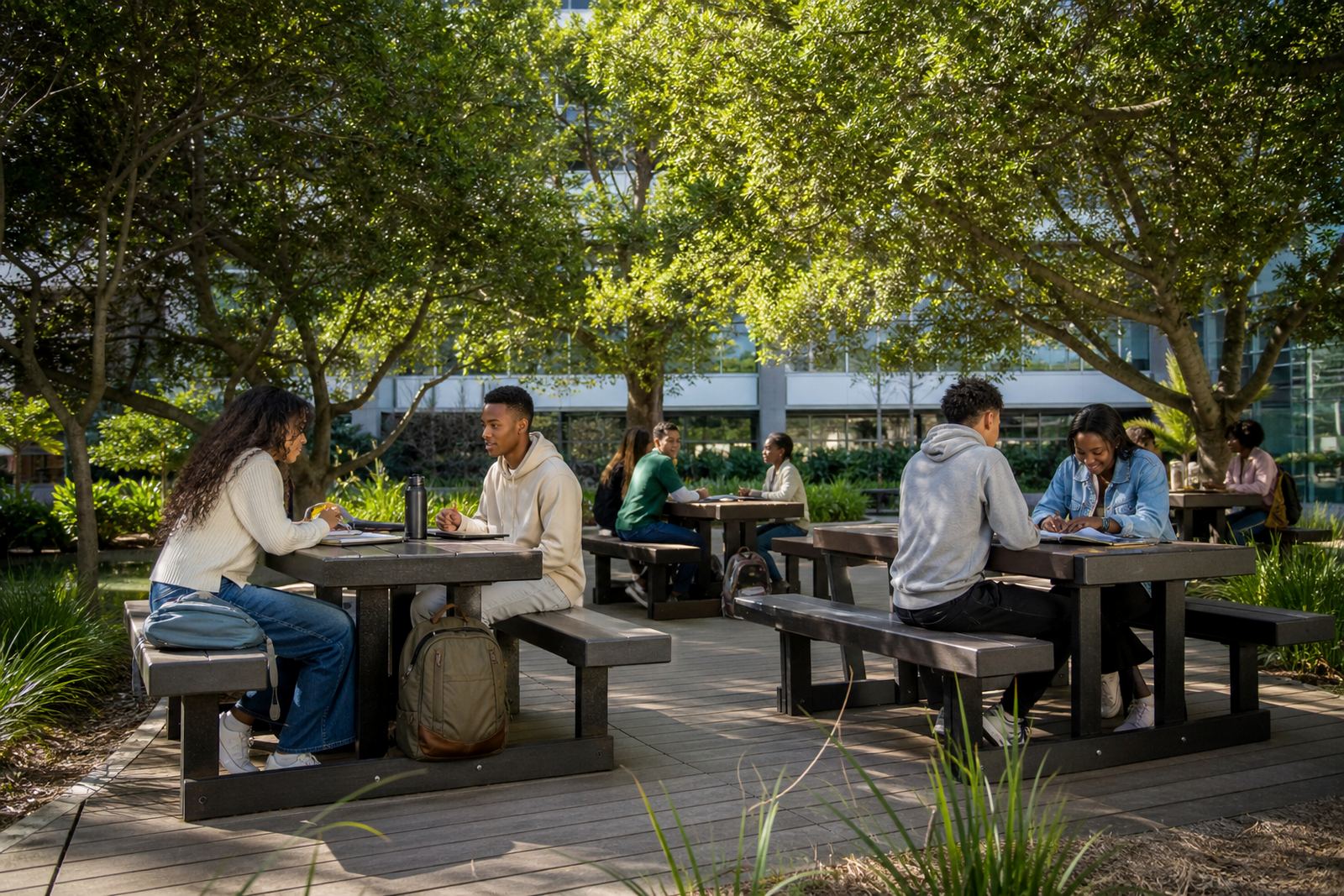
It is also worth checking how the components will be finished and how replacement pieces can be handled later. If the project is for a body corporate, school or hospitality venue, trade support is useful because it keeps communication clear between the planner, installer and end user. Good specification is not only about the material. It is about making sure the product suits the space, the traffic and the maintenance routine from day one.
- Confirm site access and delivery requirements early
- Ask how bench or deck components can be replaced later
- Plan the finish and edge detail before installation starts
Why It Appeals to Environmentally Minded Project Planners
For many planners, recycled plastic lumber appeals because it puts recovered material back into useful service. That makes it a sensible choice for projects where sustainability is part of the brief, but so is durability. People do not want to choose a greener option only to end up with more repairs and replacements. This material offers a balanced path: practical, weather-friendly and suited to outdoor use without asking for much maintenance.
In South Africa, where outdoor areas are often exposed and budgets need to stretch, that balance is valuable. Whether the project is a deck in Cape Town, a bench install in Stellenbosch or a refurbishment job in Durban, recycled plastic lumber gives property owners and trade teams a material that works hard without becoming high-fuss. That is why it keeps drawing attention from people who plan outdoor spaces carefully and want them to last.