Coastal Projects That Need Less Upkeep
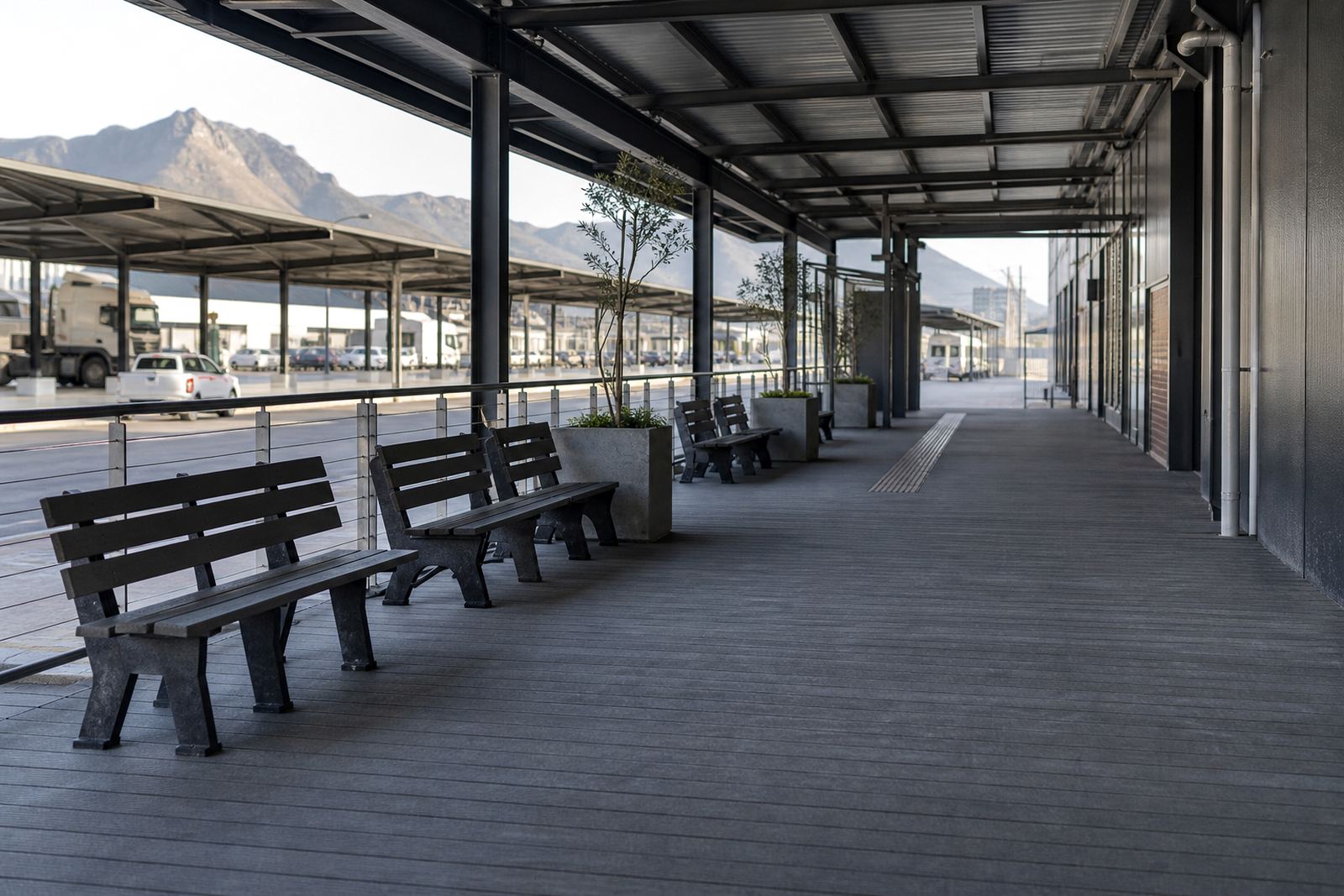
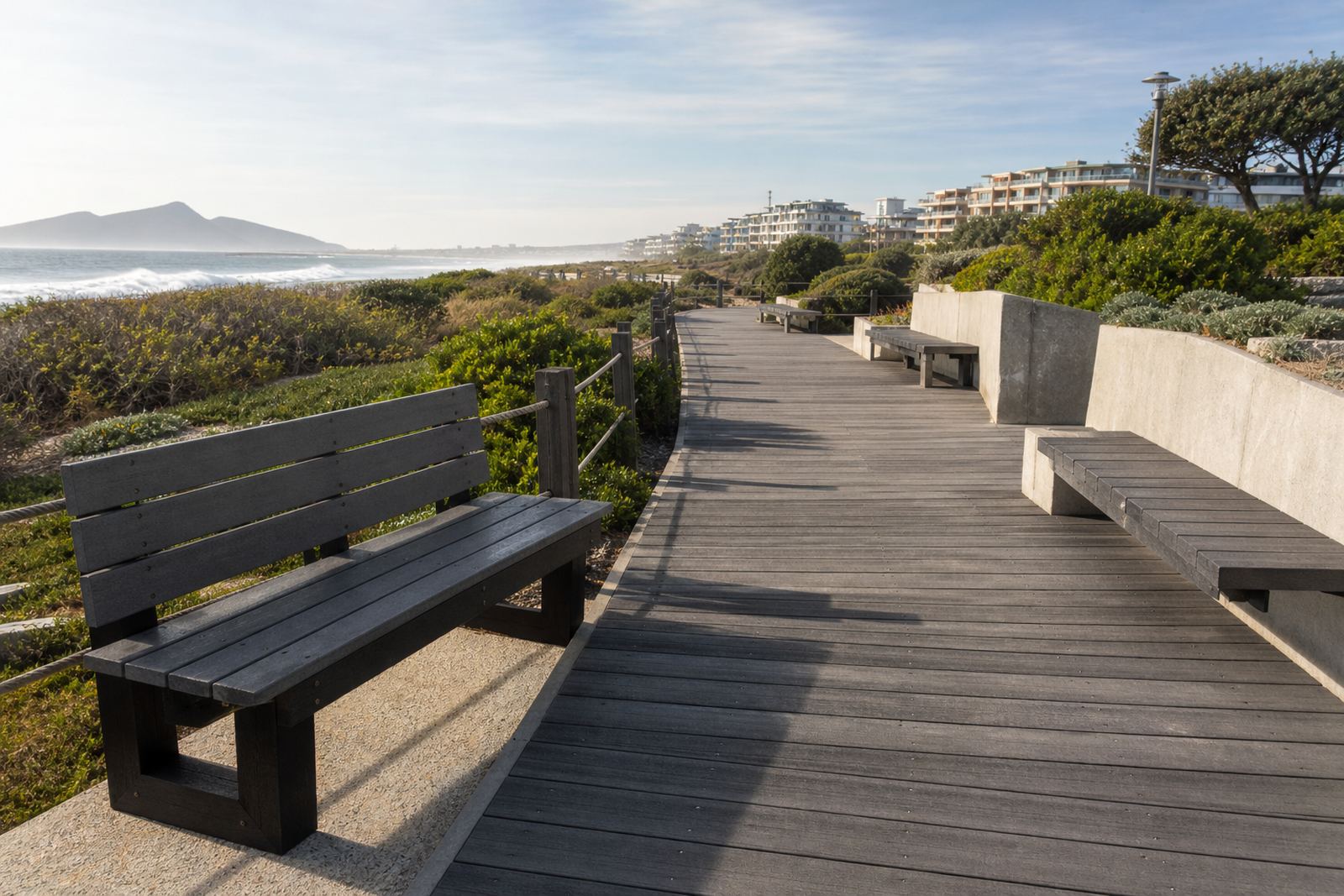
Promenades, dune walkways, fishing platforms and lookout points all ask the same thing from a material: stay tidy, stay safe underfoot and keep working in salty air. In places like Muizenberg, Blouberg, Gordons Bay, Durban and George, timber can move, split or need frequent sealing, while recycled plastic lumber offers a practical alternative for boardwalk-style decks and fixed benches.
For beachfront areas, the main value is not just appearance. It is the ability to handle damp mornings, windblown sand, and regular cleaning without constant sanding or repainting. That makes it a good fit for municipal walkways, hotel frontages, public seating zones and private estate access points where maintenance windows are limited and access is not always easy.
- Promenades and public walkways
- View decks and lookout platforms
- Beach access paths and boardwalk links
- Seating areas near parking, kiosks or lifeguard posts
What a Typical Beachfront Set-up Includes
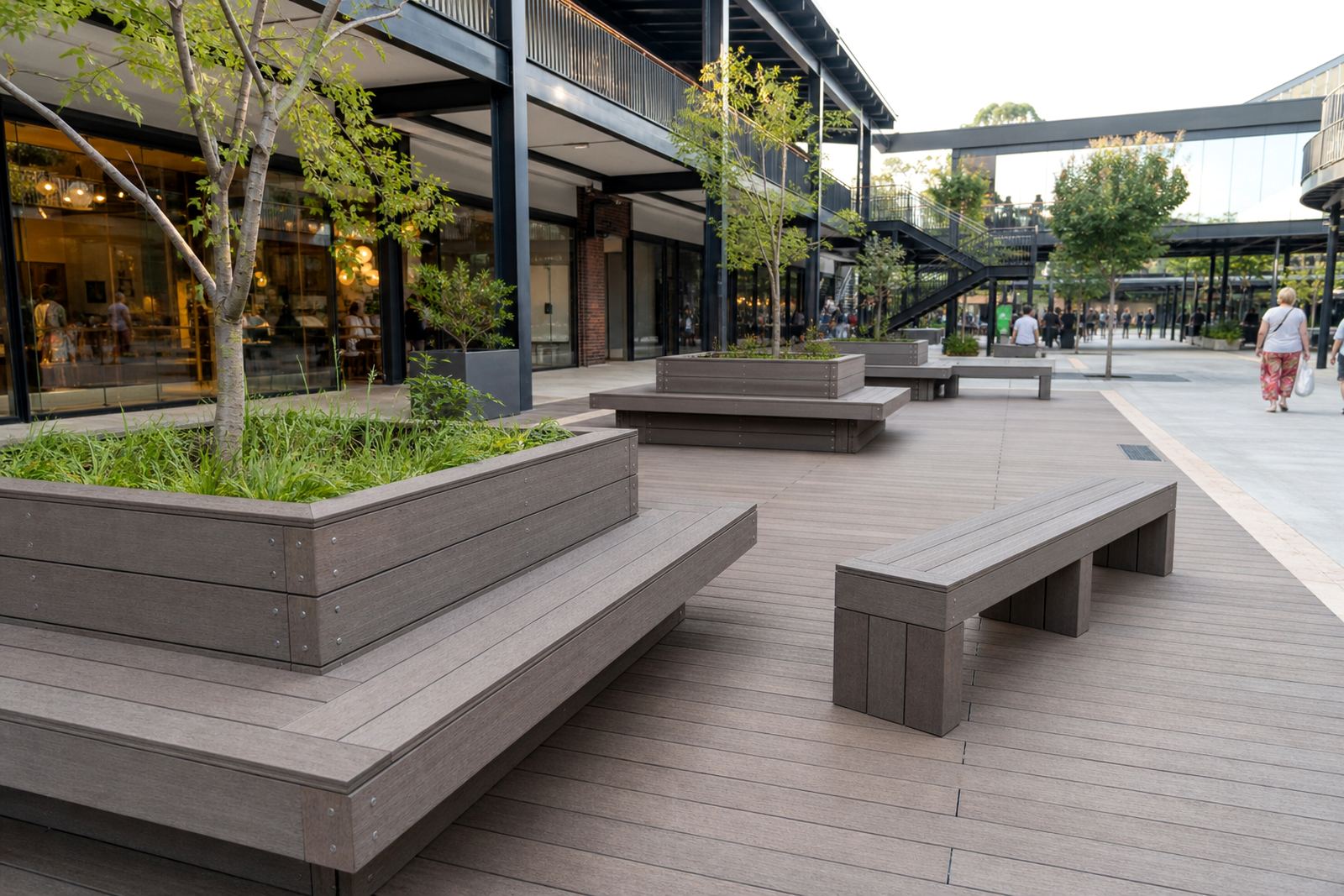
A beachfront project usually starts with a simple layout: a deck surface, edge trim, seating or bench units, and the support structure underneath. Depending on the site, this may also include ramps, steps, drainage gaps and anti-slip finishing. The aim is to keep the route clear and make the seating easy to use, even after rain or morning mist.
For coastal environments, the support detail matters just as much as the visible finish. Good planning allows for movement, proper fixing points and enough clearance for washdown. If the site sits close to the sea, drainage and airflow under the deck should be considered from the start, because trapped moisture and sand build-up can shorten the life of poor workmanship.
- Decking boards for walking surfaces and viewing platforms
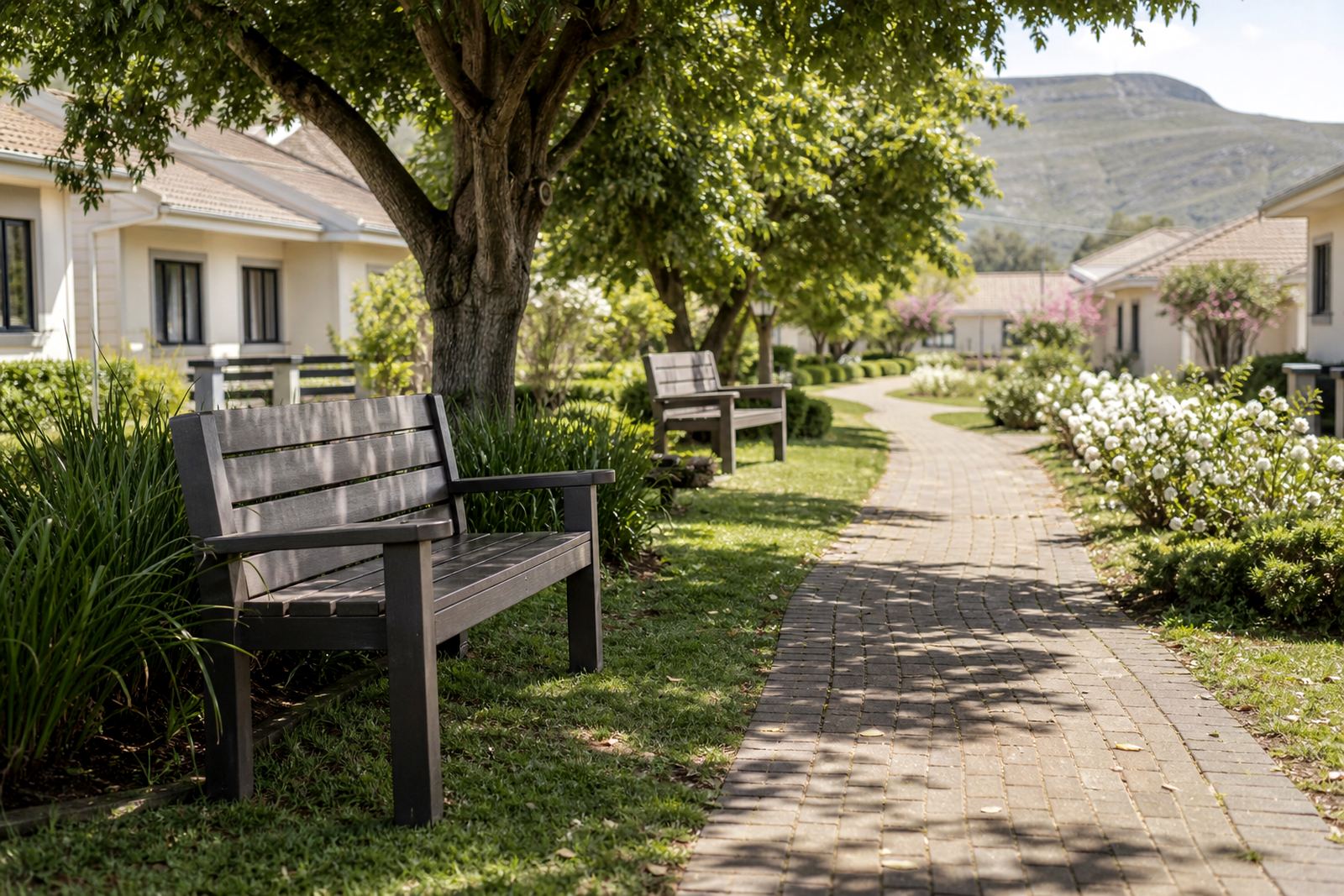
- Bench slats, seats and backs for public rest areas
- Substructure, support rails and fixing accessories
- Edge finishing, transitions and access points
Planning the Layout Before Materials Arrive
Good beachfront work starts with site measures and layout planning. That means checking levels, fall direction, access width, edge conditions and where people naturally walk. A promenade in Paarl or Somerset West may be a very different job from a seafront path in Cape Town or a long public deck in Durban, so each site needs its own measure-up and sequence.
It also helps to think about cleaning and day to day use. If the bench area is near food stalls, public taps or parking, the surface needs to be easy to rinse and keep free of sand. Where there are children, prams or older users, avoid awkward steps and narrow pinch points. Small layout errors are expensive to fix later and often come from rushing the first measure.
- Check pedestrian flow before fixing bench positions
- Allow enough width for maintenance and cleaning access
- Keep drainage paths open so water does not sit under boards
- Place seating where users can enjoy the view without blocking movement
Common Mistakes on Coastal Sites
One common mistake is treating a beachfront deck like an ordinary patio. Coastal spaces take more wind, more grit and more moisture, so details that work inland can fail early near the sea. Another issue is using the wrong fixing method, or placing supports too far apart, which can lead to bounce, movement or uneven wear under foot traffic.
It is also easy to overlook edge finishing. A rough edge near a promenade is unpleasant and can become a snag point for shoes, bags or cleaning gear. Bench refurbishment is another area where people wait too long. Worn seating, loose slats or damaged components should be replaced before the whole unit starts looking neglected. On a beachfront, small faults show quickly and can give the whole area a tired look.
For public sites, be mindful of municipal rules, access requirements and safety clearances. A clean layout with proper fixing and sensible spacing is usually better than trying to crowd in too many features.
Budget Bands for Beachfront Decking and Benches
Budget depends on site access, size, shape, support work and how much preparation the area needs. Small bench areas or short viewing sections may sit in a lower budget band, while full promenade decking with steps, edge details and several seating points will move into a higher range. As a rough planning guide, many beachfront jobs are scoped in bands from around R25 000 for smaller seating or repair works, up to R250 000 or more for larger public decks and coordinated installations.
Refurbishment and component replacement can be more economical than a full rebuild if the base structure is still sound. That is often worth considering in Cape Town, Stellenbosch, George, Johannesburg and Durban where site conditions and access can vary a lot. A proper quotation should follow a site measure and layout check, because beachfront work is rarely one-size-fits-all.
- Small seating or repair works: lower budget band
- Mid-sized deck and bench combinations: medium band
- Large promenade or public access areas: higher band
Delivery, Installation and Ongoing Care
Once the layout is approved, delivery coordination should be timed around site access, weather and public use. Coastal work often needs careful scheduling so materials are not left exposed longer than necessary. In Paarden Eiland, Cape Town, a good logistics plan helps keep the work moving and reduces delays when wind or tide conditions make site access awkward.
Installation should be neat, level and easy to maintain. After that, care advice matters. Recycled plastic lumber generally needs less upkeep than timber, but it still benefits from routine cleaning, inspection of fixings and quick attention to any damaged component. For beachfront benches and decks, this is especially useful where salt spray and constant foot traffic are part of everyday use.
For trade clients and public projects, support should include material quoting, delivery coordination, deck installation, bench installation and refurbishment planning. That keeps the job consistent from first measure to final finish, and helps the site stay presentable without unnecessary downtime.
Who Handles Beachfront Projects at Plastimber
Beachfront enquiries are handled from Paarden Eiland, Cape Town, with delivery and project support across South Africa. The team includes Morne van Zyl as MD, Anele Mkhize in Sales, Bianca Fourie in Projects, Thabo Molefe in Production, Leanne Naidoo in Customer Support, Jason Petersen in Installation and Sibusiso Dlamini in Logistics. That structure helps with site measures, layout planning, delivery coordination and trade support when the job needs more than a simple supply order.
If you are planning a promenade, lookout point or coastal seating area, use the enquiry form on the contact page to start the process. A measured approach saves time and usually keeps the budget cleaner too.