
Why Retirement Villages Choose Recycled Plastic Lumber
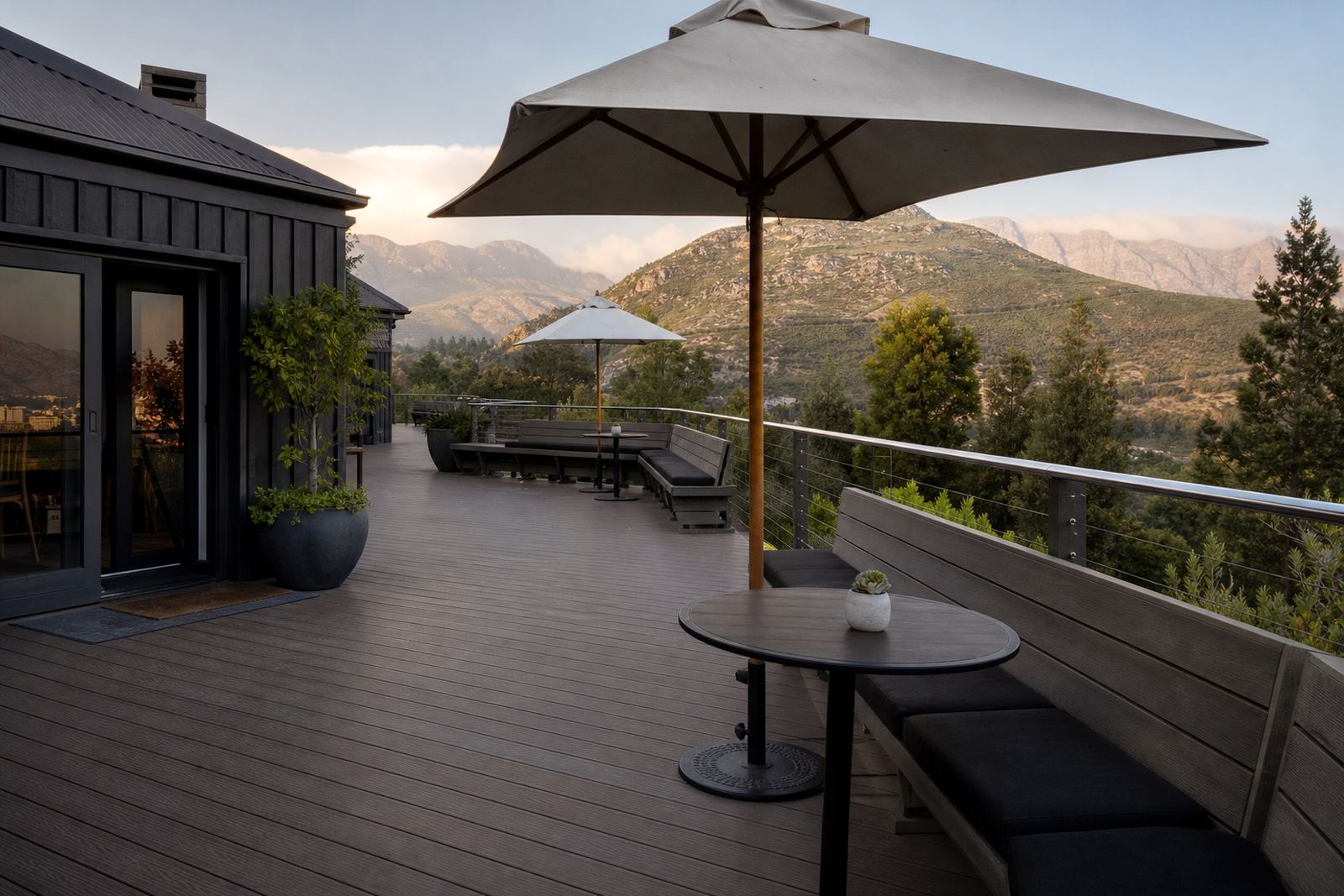
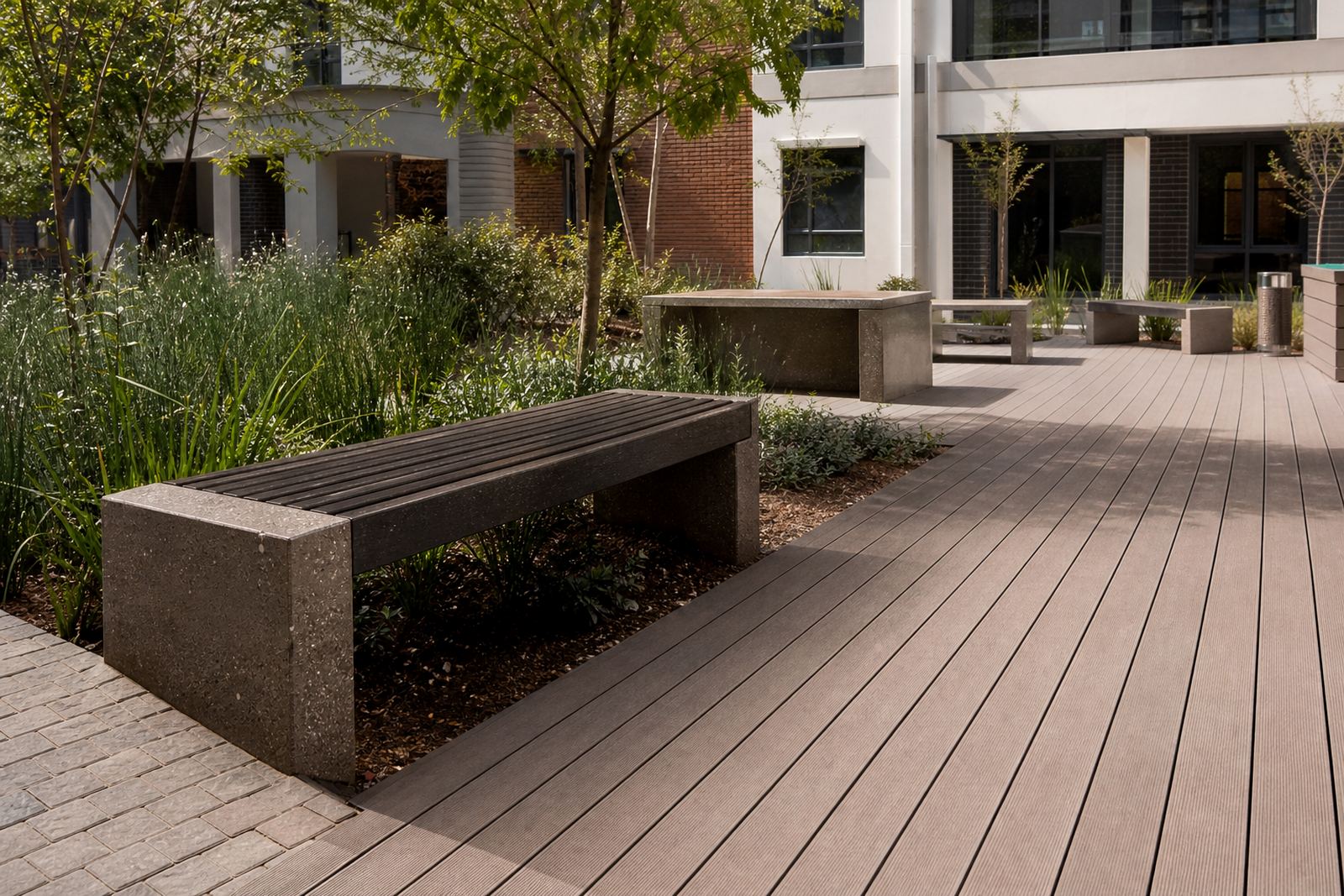
In retirement villages, outdoor spaces are used every day by residents, visitors, carers and maintenance teams. That means walking surfaces and seating need to stay stable, tidy and easy to clean without constant sanding, sealing or repainting. Recycled plastic lumber is often chosen for exactly that reason. It handles moisture well, suits coastal conditions in places like Cape Town and Durban, and does not split the way many timber products can over time.
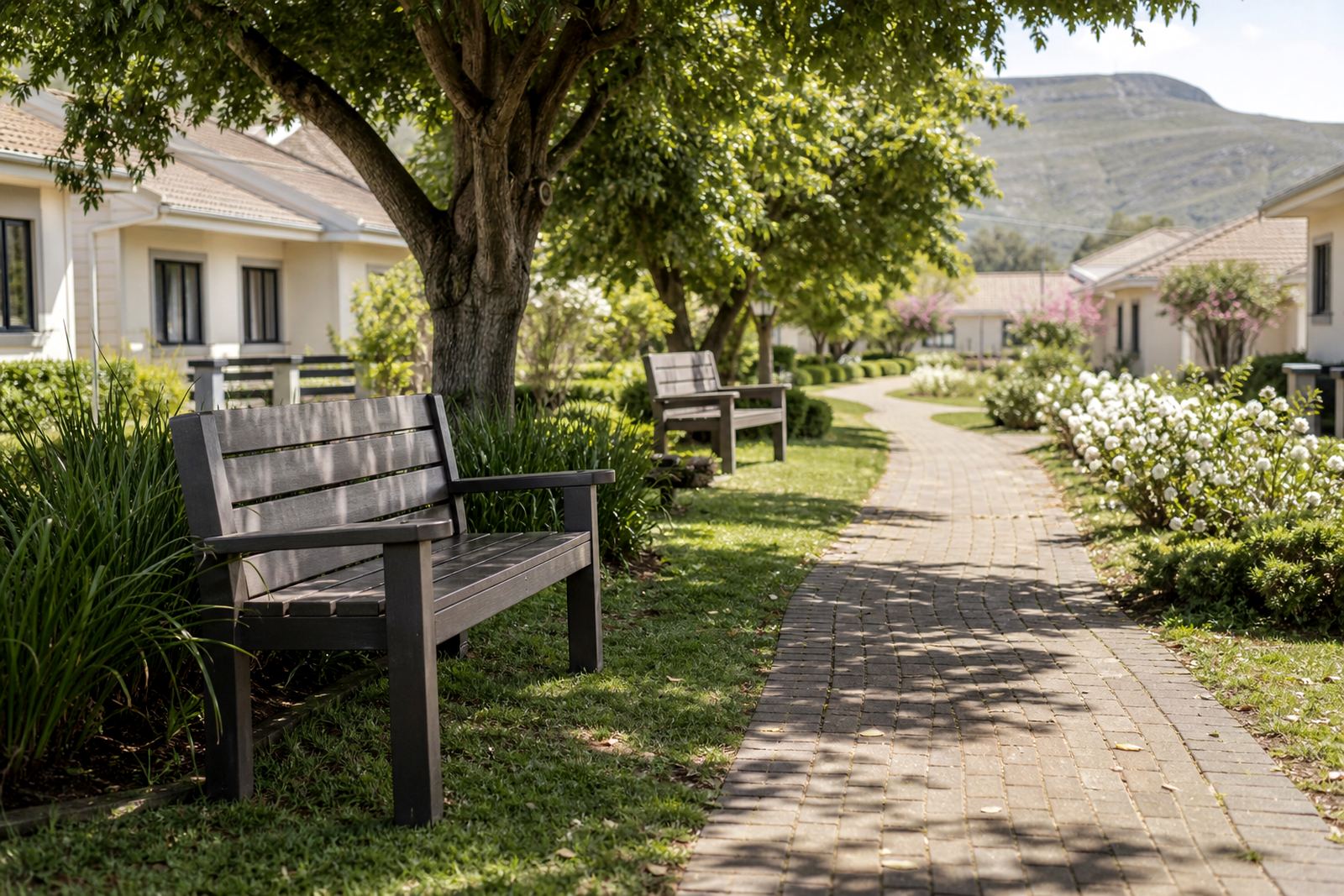
For communal areas, the practical value is clear. Garden paths, verandas, braai corners and quiet seating pockets can be fitted with material that keeps its shape and colour for longer. It also helps reduce the maintenance burden on village teams who already manage gardens, security, parking and general upkeep. In our experience, that matters as much as appearance.
Typical Setups For Walkways And Sitting Areas
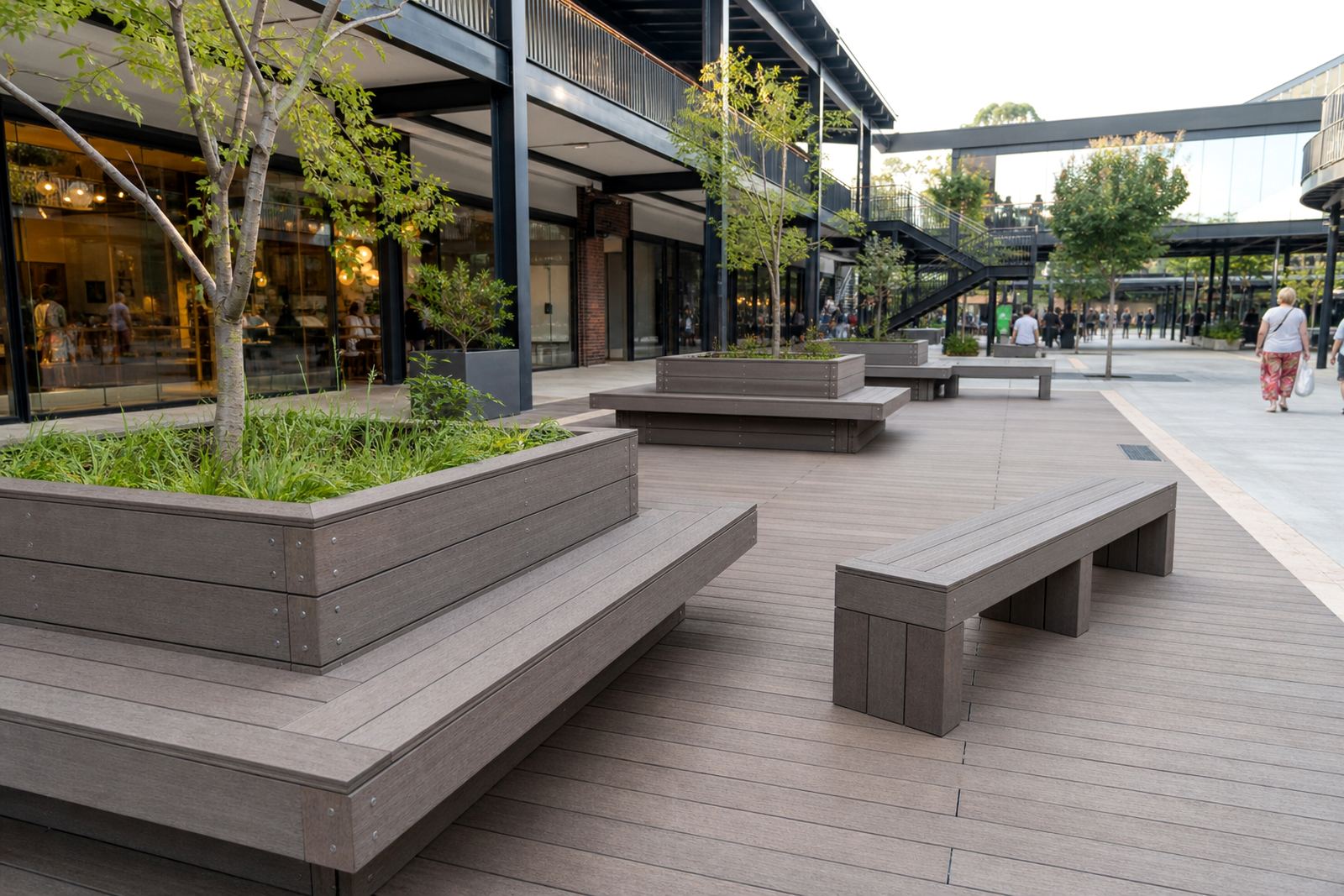
A retirement village project is usually a mix of decking, benches and edging details. The exact layout depends on the site, but common setups include raised walkways between units, short platforms outside dining rooms, shaded seating areas near clubhouse lawns, and benches placed where residents pause to rest between points on the property. On sloped sites in Stellenbosch or Paarl, level transitions and safe step access need careful planning.
- Decking for paths, small terraces and communal entrance areas
- Fixed or loose benches for rest points and garden edges
- Edge finishing for a neat perimeter and cleaner transitions
- Component replacement for worn sections after heavy use
- Refurbishment on older installations where the base is still sound
It helps to think in terms of movement patterns rather than just square metres. Residents may use walking frames, carry shopping or move slowly in groups, so the route should allow easy turning space and a clear line of travel. A narrow path can feel awkward even if it looks fine on paper.
Layout Planning That Works For Older Residents
Good planning starts with site measures and a walk-through of the daily routine. Where are the most used doors, which route gets morning sun, where does rain collect, and which areas become windy? In coastal towns, a walkway that dries quickly after mist or rain is often more practical than one with complicated gaps or hard to clean corners. Load-shedding can also affect communal life, so outdoor areas should stay usable without relying on powered features.
Jason Petersen from installation planning often looks at access in stages, not just the final shape. That means checking wheelchair turning space, threshold heights, handrail positions where needed, and how delivery teams will get material to the work area without disturbing residents. Careful layout planning reduces trip points and keeps the village looking orderly.
- Keep changes in level as gentle as the site allows
- Allow enough space for mobility aids to pass comfortably
- Place benches near shade, entrances and longer walking stretches
- Plan drainage so water does not sit under boards or beside seating
Small details count. If a bench is placed where the afternoon sun hits hard, it may be ignored. If a walkway ends awkwardly at a door, residents will find their own shortcut across the garden, which usually causes wear in the wrong place.
Common Mistakes In Retirement Village Projects
One common mistake is treating a retirement village like a standard residential patio. The foot traffic is more varied and the safety expectations are higher. Another issue is choosing a layout that looks neat in a plan but does not suit actual daily use. A straight run can be simpler than a decorative curve if it helps someone walk more confidently from one point to another.
Another error is underestimating maintenance access. Replacement of a single section should be possible without pulling up half the installation. It is also wise to avoid overcomplicated bench placement that blocks gardening equipment or cleaning access. A village manager needs spaces that are easy to keep in order, not just pleasant on handover day.
Leanne Naidoo often gets asked how much care these products need. The answer is usually less than timber, but not zero. Dirt, dust and leaf litter still need clearing, and surfaces should be checked from time to time for movement at fixings or changes in the substrate. That simple habit keeps the area looking cared for and reduces future call-outs.
Budget Ranges In Rand For Village Areas
Budgets for retirement village work vary by area size, access and the amount of preparation required. A small bench run and a short walkway section will sit at a very different level to a full communal garden route with edge finishing and refurbishment of existing work. Delivery across South Africa also affects the overall cost, especially when the site is outside Cape Town and requires planned logistics.
For working purposes, many enquiries start with a budget conversation around small, medium and larger communal areas rather than one fixed figure. A simple bench installation or minor component replacement can be relatively contained, while full deck installation with site measures, material quoting and delivery coordination will naturally move into a higher bracket. We do not recommend guessing at a number before the site is measured because access, base condition and finish details can shift the total quite a bit.
- Small jobs: short seating areas or partial replacement work
- Medium jobs: village entrances, small decks and bench groupings
- Larger jobs: multiple communal zones, refurbishment and new walkways
Bianca Fourie usually coordinates the project information so the quotation matches the site reality, not just the request on paper. That saves time for trustees, managers and family members who are helping with the decision.
What Our Team Handles From Enquiry To Completion
Projects for retirement villages are easier when one team manages the steps in order. From the first enquiry through to final handover, the work usually includes site measures, layout planning, material quoting, delivery coordination and installation. Where existing areas need attention, bench refurbishment, deck refurbishment and component replacement can be handled without starting over from scratch.
Our Paarden Eiland base in Cape Town supports work in Cape Town, Stellenbosch, George, Johannesburg, Durban, Paarl, Somerset West and Bellville. Sibusiso Dlamini handles logistics planning so deliveries arrive in the right order and the right quantities, which matters when residents are nearby and access is limited. Thabo Molefe oversees production so the finished pieces suit the intended use and fit the agreed layout.
For retirement villages, the goal is simple: low fuss, steady use and a clean appearance that supports a calm communal setting. Morne van Zyl leads the business with that practical focus in mind, and the team keeps the process straightforward from first contact to the last fitting.
Aftercare And Ongoing Care For Shared Outdoor Spaces
Once the installation is complete, the space should remain easy to manage. Care advice usually comes down to regular cleaning, watching for loose fixings after heavy use, and checking that surrounding landscaping has not pushed soil or roots against the structure. In older villages, seasonal changes can shift drainage slightly so a quick inspection after winter rain or summer heat is worthwhile.
Benches and walkways in shared areas get more use than people expect, especially when residents sit in the sun in winter or gather in the cool of the morning. A good material choice helps the area stay serviceable, but sensible upkeep keeps it looking cared for. That is often the difference between a place that feels welcoming and one that starts to look tired.
If your retirement village needs new seating, safer walkways or attention to an older installation, the best starting point is a measured site visit and a clear plan for the areas that matter most.